Stan książek
Nasze książki są dokładnie sprawdzone i jasno określamy stan każdej z nich.

Nowa
Książka nowa.
Używany - jak nowa
Niezauważalne lub prawie niezauważalne ślady używania. Książkę ciężko odróżnić od nowej pozycji.
Używany - dobry
Normalne ślady używania wynikające z kartkowania podczas czytania, brak większych uszkodzeń lub zagięć.
Używany - widoczne ślady użytkowania
zagięte rogi, przyniszczona okładka, książka posiada wszystkie strony.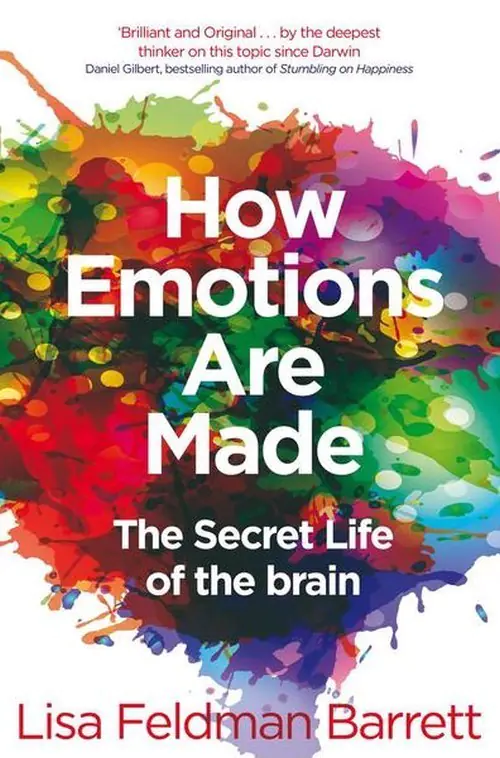
How Emotions Are Made
Masz tę lub inne książki?
Sprzedaj je u nas

What truly happens in our minds when we experience emotions like anxiety, anger, joy, or surprise? Many researchers have long believed that emotions originate from a specific brain region, sparked by our surroundings. The joy of reuniting with an old companion or the fear of losing a loved one appears to erupt uncontrollably within us, influencing our expressions and actions. This perspective on emotions has persisted since the era of Plato. But what if this view is mistaken? In "How Emotions Are Made," innovative psychologist and neuroscientist Lisa Feldman Barrett presents cutting-edge scientific insights to challenge our traditional beliefs about emotions, which may be outdated and even risky. According to Barrett, emotions are not innate responses ingrained in our brain and body, but rather complex experiences shaped by our individual history, biology, and environment. This reimagined understanding of emotions bears significant consequences: whether in judicial decisions about crimes of passion, police responses to perceived threats, or medical diagnoses, there's an underlying reliance on the outdated notion that emotions are inherently programmed into us. Barrett argues that updating this perception of emotions is not only sound science but essential for ensuring personal well-being and the overall health of society.
Wybierz stan zużycia:
WIĘCEJ O SKALI
What truly happens in our minds when we experience emotions like anxiety, anger, joy, or surprise? Many researchers have long believed that emotions originate from a specific brain region, sparked by our surroundings. The joy of reuniting with an old companion or the fear of losing a loved one appears to erupt uncontrollably within us, influencing our expressions and actions. This perspective on emotions has persisted since the era of Plato. But what if this view is mistaken? In "How Emotions Are Made," innovative psychologist and neuroscientist Lisa Feldman Barrett presents cutting-edge scientific insights to challenge our traditional beliefs about emotions, which may be outdated and even risky. According to Barrett, emotions are not innate responses ingrained in our brain and body, but rather complex experiences shaped by our individual history, biology, and environment. This reimagined understanding of emotions bears significant consequences: whether in judicial decisions about crimes of passion, police responses to perceived threats, or medical diagnoses, there's an underlying reliance on the outdated notion that emotions are inherently programmed into us. Barrett argues that updating this perception of emotions is not only sound science but essential for ensuring personal well-being and the overall health of society.
Szczegóły
Inne książki: Lisa Feldman Barrett

Podobne produkty
Może Ci się spodobać
Inne książki z tej samej kategorii

Napisz opinię o książce i wygraj nagrodę!
W każdym miesiącu wybieramy najlepsze opinie i nagradzamy recenzentów.
Dowiedz się więcejWartość nagród w tym miesiącu
880 zł
Dodaj swoją opinię
Zaloguj się na swoje konto, aby mieć możliwość dodawania opinii.
Czy chcesz zostawić tylko ocenę?
Dodanie samej oceny o książce nie jest brane pod uwagę podczas losowania nagród. By mieć szansę na otrzymanie nagrody musisz napisać opinię o książce.
Już oceniłeś/zrecenzowałeś te książkę w przeszłości.
Możliwe jest dodanie tylko jednej recenzji do każdej z książek.
Sposoby dostawy
Odbiór w punkcie (6)
InPost Paczkomat 24/7

13,99 zł
ORLEN Paczka

12,99 zł




Dostawa na adres (7)
GLS U Ciebie - Kurier

14,99 zł
Kurier DPD

14,99 zł





Sposoby płatności
Płatność z góry
Przedpłata

Zwykły przelew
