Stan książek
Nasze książki są dokładnie sprawdzone i jasno określamy stan każdej z nich.

Nowa
Książka nowa.
Używany - jak nowa
Niezauważalne lub prawie niezauważalne ślady używania. Książkę ciężko odróżnić od nowej pozycji.
Używany - dobry
Normalne ślady używania wynikające z kartkowania podczas czytania, brak większych uszkodzeń lub zagięć.
Używany - widoczne ślady użytkowania
zagięte rogi, przyniszczona okładka, książka posiada wszystkie strony.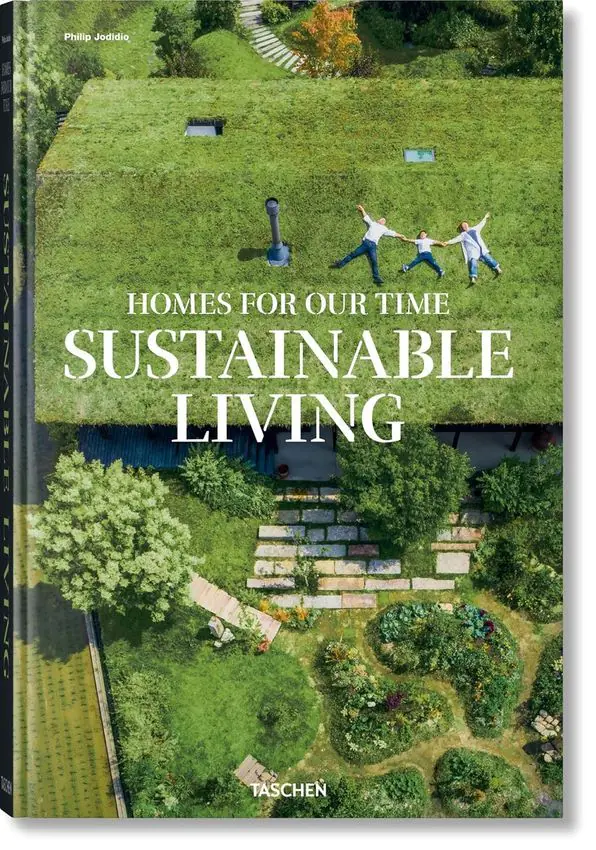
Homes for Our Time. Sustainable Living
Masz tę lub inne książki?
Sprzedaj je u nas

Embark on a worldwide journey to discover architecture that is redefining sustainability. In the series "Homes for Our Time," the book "Sustainable Living" showcases 63 projects, each offering a glimpse into innovative homes shaped by the challenges and potentials of climate change and limited resources. Through the works of prominent architects like Norman Foster and the Snøhetta firm, these projects highlight groundbreaking construction methods that respect and preserve our planet's delicate ecosystems. From the responsible sourcing of materials to their eventual return to the earth, these homes are designed to minimize environmental impact. They feature energy-efficient designs, use low-impact and recycled materials, and are built with keen awareness of natural elements like sun, wind, and rain. Each project serves as an enlightening example of the architectural mission to cause no harm, beautifully captured through photography and detailed annotations, including insights into the architects behind them.Innovation in eco-friendly architecture spans across all regions and styles—no single area holds supremacy. Explore diverse and creative solutions: affordable bamboo structures in Hanoi designed to withstand floods, a house in a Japanese forest built from locally harvested rock and slate, a brick structure in Ahmedabad that promotes passive cooling, a roll-out emergency shelter in a Venetian garden, and a passive home tucked under the Australian canopy. Whether they are modest shelters or grand designs, these remarkable projects demonstrate that sustainability transcends aesthetics and is an ethos that crosses cultures, frontiers, and financial limits. Each project encourages us to adopt smarter designs, tread more lightly on the earth, and maximize resource efficiency.
Wybierz stan zużycia:
WIĘCEJ O SKALI
Embark on a worldwide journey to discover architecture that is redefining sustainability. In the series "Homes for Our Time," the book "Sustainable Living" showcases 63 projects, each offering a glimpse into innovative homes shaped by the challenges and potentials of climate change and limited resources. Through the works of prominent architects like Norman Foster and the Snøhetta firm, these projects highlight groundbreaking construction methods that respect and preserve our planet's delicate ecosystems. From the responsible sourcing of materials to their eventual return to the earth, these homes are designed to minimize environmental impact. They feature energy-efficient designs, use low-impact and recycled materials, and are built with keen awareness of natural elements like sun, wind, and rain. Each project serves as an enlightening example of the architectural mission to cause no harm, beautifully captured through photography and detailed annotations, including insights into the architects behind them.Innovation in eco-friendly architecture spans across all regions and styles—no single area holds supremacy. Explore diverse and creative solutions: affordable bamboo structures in Hanoi designed to withstand floods, a house in a Japanese forest built from locally harvested rock and slate, a brick structure in Ahmedabad that promotes passive cooling, a roll-out emergency shelter in a Venetian garden, and a passive home tucked under the Australian canopy. Whether they are modest shelters or grand designs, these remarkable projects demonstrate that sustainability transcends aesthetics and is an ethos that crosses cultures, frontiers, and financial limits. Each project encourages us to adopt smarter designs, tread more lightly on the earth, and maximize resource efficiency.
Szczegóły
Inne książki: Philip Jodidio

Podobne produkty
Może Ci się spodobać
Inne książki z tej samej kategorii

Napisz opinię o książce i wygraj nagrodę!
W każdym miesiącu wybieramy najlepsze opinie i nagradzamy recenzentów.
Dowiedz się więcejWartość nagród w tym miesiącu
880 zł
Dodaj swoją opinię
Zaloguj się na swoje konto, aby mieć możliwość dodawania opinii.
Czy chcesz zostawić tylko ocenę?
Dodanie samej oceny o książce nie jest brane pod uwagę podczas losowania nagród. By mieć szansę na otrzymanie nagrody musisz napisać opinię o książce.
Już oceniłeś/zrecenzowałeś te książkę w przeszłości.
Możliwe jest dodanie tylko jednej recenzji do każdej z książek.
Sposoby dostawy
Płatne z góry

InPost Paczkomaty 24/7
13.99 zł
Darmowa od 190 zł

ORLEN Paczka
12.99 zł
Darmowa od 190 zł

Automaty DHL BOX 24/7 i punkty POP
12.99 zł
Darmowa od 190 zł

DPD Pickup Automaty i Punkty Odbioru
8.99 zł
Darmowa od 190 zł

Automaty Orlen Paczka, sklepy Żabka i inne
12.99 zł
Darmowa od 190 zł

GLS U Ciebie - Kurier
14.99 zł
Darmowa od 190 zł

Kurier DPD
14.99 zł
Darmowa od 190 zł

Kurier InPost
14.99 zł
Darmowa od 190 zł

Pocztex Kurier
13.99 zł
Darmowa od 190 zł

Kurier DHL
14.99 zł
Darmowa od 190 zł

Kurier GLS - kraje UE
69.00 zł

Punkt odbioru (Dębica)
2.99 zł
Darmowa od 190 zł
Płatne przy odbiorze

Kurier GLS pobranie
23.99 zł
Sposoby płatności
Płatność z góry
Przedpłata

Zwykły przelew
