Stan książek
Nasze książki są dokładnie sprawdzone i jasno określamy stan każdej z nich.


Nowa
Książka nowa.
Używany - jak nowa
Niezauważalne lub prawie niezauważalne ślady używania. Książkę ciężko odróżnić od nowej pozycji.
Używany - dobry
Normalne ślady używania wynikające z kartkowania podczas czytania, brak większych uszkodzeń lub zagięć.
Używany - widoczne ślady użytkowania
zagięte rogi, przyniszczona okładka, książka posiada wszystkie strony.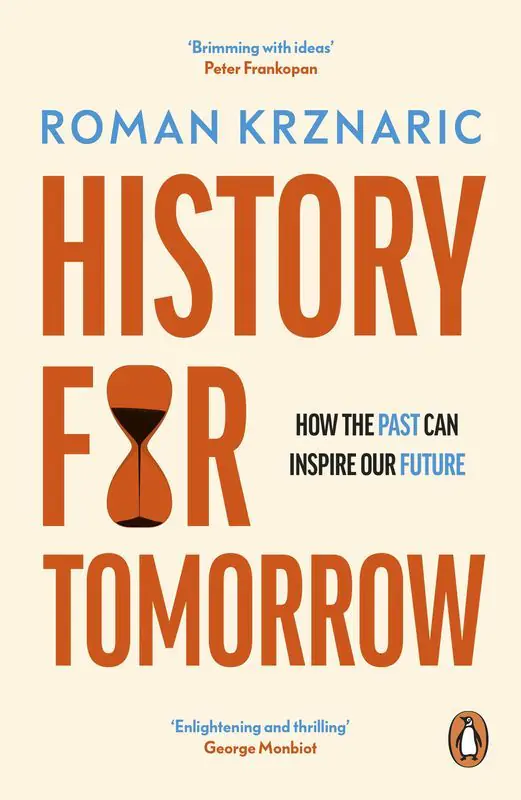
History for Tomorrow wer. angielska
Masz tę lub inne książki?
Sprzedaj je u nas

What lessons can humanity's extensive history of revolutionary uprisings offer about the effectiveness of disobedience in addressing climate change? How might we draw from 18th-century Japan to craft a regenerative economy for the present day? Could a deep dive into capitalism's roots ignite ideas to manage AI more effectively? In "History for Tomorrow," eminent social philosopher Roman Krznaric presents captivating insights and motivations from the past millennium that might help tackle the pressing issues of the 21st century. Whether it's narrowing the inequality gap, mitigating genetic engineering risks, revitalizing our belief in democracy, or preventing ecological disaster, "History for Tomorrow" illustrates that history is not just about understanding what has been but also about reshaping our connection with what will be. Krznaric demonstrates how societies have frequently risen to meet challenges, often under adverse conditions, offering a vision of radical hope that could serve as our most essential instrument for navigating the upheavals of the future.
Wybierz stan zużycia:
WIĘCEJ O SKALI
What lessons can humanity's extensive history of revolutionary uprisings offer about the effectiveness of disobedience in addressing climate change? How might we draw from 18th-century Japan to craft a regenerative economy for the present day? Could a deep dive into capitalism's roots ignite ideas to manage AI more effectively? In "History for Tomorrow," eminent social philosopher Roman Krznaric presents captivating insights and motivations from the past millennium that might help tackle the pressing issues of the 21st century. Whether it's narrowing the inequality gap, mitigating genetic engineering risks, revitalizing our belief in democracy, or preventing ecological disaster, "History for Tomorrow" illustrates that history is not just about understanding what has been but also about reshaping our connection with what will be. Krznaric demonstrates how societies have frequently risen to meet challenges, often under adverse conditions, offering a vision of radical hope that could serve as our most essential instrument for navigating the upheavals of the future.
Szczegóły
Inne książki: Roman Krznaric

Podobne produkty
Może Ci się spodobać
Inne książki z tej samej kategorii

Napisz opinię o książce i wygraj nagrodę!
W każdym miesiącu wybieramy najlepsze opinie i nagradzamy recenzentów.
Dowiedz się więcejWartość nagród w tym miesiącu
880 zł
Dodaj swoją opinię
Zaloguj się na swoje konto, aby mieć możliwość dodawania opinii.
Czy chcesz zostawić tylko ocenę?
Dodanie samej oceny o książce nie jest brane pod uwagę podczas losowania nagród. By mieć szansę na otrzymanie nagrody musisz napisać opinię o książce.
Już oceniłeś/zrecenzowałeś te książkę w przeszłości.
Możliwe jest dodanie tylko jednej recenzji do każdej z książek.
Sposoby dostawy
Odbiór w punkcie (6)
InPost Paczkomat 24/7

13,99 zł
ORLEN Paczka

12,99 zł




Dostawa na adres (7)
GLS U Ciebie - Kurier

14,99 zł
Kurier DPD

14,99 zł





Sposoby płatności
Płatność z góry
Przedpłata

Zwykły przelew
