Stan książek
Nasze książki są dokładnie sprawdzone i jasno określamy stan każdej z nich.
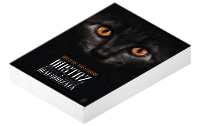

Nowa
Książka nowa.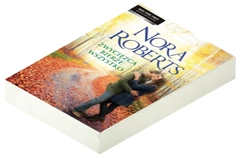
Używany - jak nowa
Niezauważalne lub prawie niezauważalne ślady używania. Książkę ciężko odróżnić od nowej pozycji.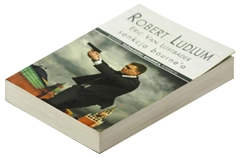
Używany - dobry
Normalne ślady używania wynikające z kartkowania podczas czytania, brak większych uszkodzeń lub zagięć.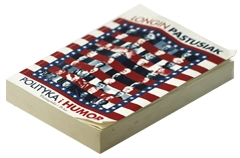
Używany - widoczne ślady użytkowania
zagięte rogi, przyniszczona okładka, książka posiada wszystkie strony.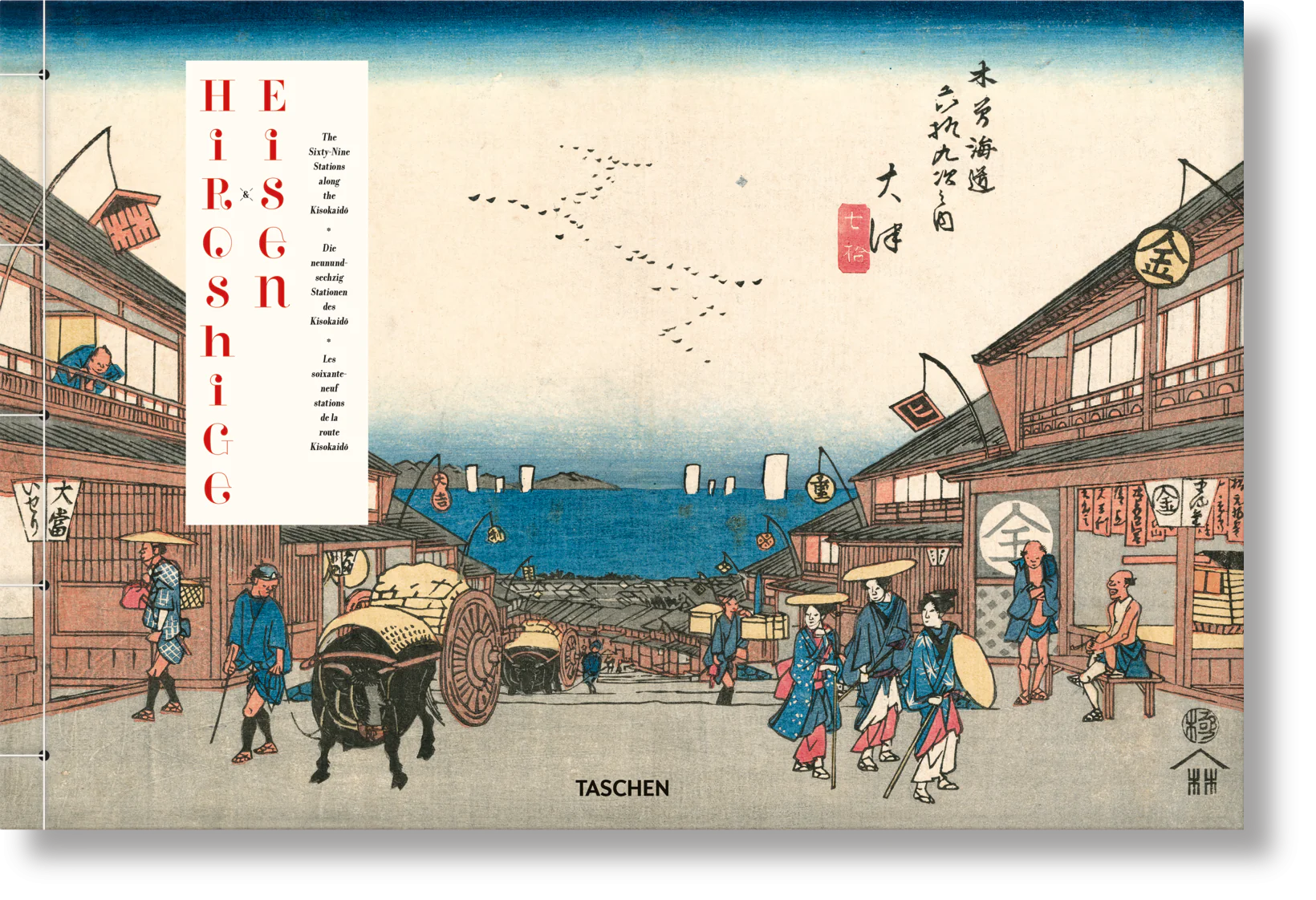
Hiroshige & Eisen. The Sixty-Nine Stations along the Kisokaido
Masz tę lub inne książki?
Sprzedaj je u nas

In the early 1600s, Tokugawa Ieyasu, the ruler of Japan at the time, established the Kisokaidō route to facilitate travel between Edo, now known as Tokyo, and Kyoto. He directed that rest areas be set up along this challenging path to aid travelers. These staging posts eventually became lively hubs with inns, shops, and eateries catering to the needs of those on the journey. In 1835, Keisai Eisen, a distinguished woodblock print artist, was enlisted to depict the Kisokaidō route. After completing 24 prints, Utagawa Hiroshige took over and finalized the project with a total of 70 prints by 1838. Both Eisen and Hiroshige were highly skilled in their craft. Their work, visible in "The Sixty-Nine Stations along the Kisokaidō," showcases their individual artistic styles while also highlighting their common expertise. Starting from the bustling Nihonbashi post to the castle town of Iwamurata, Eisen preferred a subdued color scheme, excelled in depicting figures, especially elegant women, and captured lively scenes, such as a horse being shod.
Wybierz stan zużycia:
WIĘCEJ O SKALI
In the early 1600s, Tokugawa Ieyasu, the ruler of Japan at the time, established the Kisokaidō route to facilitate travel between Edo, now known as Tokyo, and Kyoto. He directed that rest areas be set up along this challenging path to aid travelers. These staging posts eventually became lively hubs with inns, shops, and eateries catering to the needs of those on the journey. In 1835, Keisai Eisen, a distinguished woodblock print artist, was enlisted to depict the Kisokaidō route. After completing 24 prints, Utagawa Hiroshige took over and finalized the project with a total of 70 prints by 1838. Both Eisen and Hiroshige were highly skilled in their craft. Their work, visible in "The Sixty-Nine Stations along the Kisokaidō," showcases their individual artistic styles while also highlighting their common expertise. Starting from the bustling Nihonbashi post to the castle town of Iwamurata, Eisen preferred a subdued color scheme, excelled in depicting figures, especially elegant women, and captured lively scenes, such as a horse being shod.
Szczegóły
Inne książki: Rhiannon Paget

Podobne produkty
Może Ci się spodobać
Inne książki z tej samej kategorii

Napisz opinię o książce i wygraj nagrodę!
W każdym miesiącu wybieramy najlepsze opinie i nagradzamy recenzentów.
Dowiedz się więcejWartość nagród w tym miesiącu
880 zł
Dodaj swoją opinię
Zaloguj się na swoje konto, aby mieć możliwość dodawania opinii.
Czy chcesz zostawić tylko ocenę?
Dodanie samej oceny o książce nie jest brane pod uwagę podczas losowania nagród. By mieć szansę na otrzymanie nagrody musisz napisać opinię o książce.
Już oceniłeś/zrecenzowałeś te książkę w przeszłości.
Możliwe jest dodanie tylko jednej recenzji do każdej z książek.
Sposoby dostawy
Płatne z góry

InPost Paczkomaty 24/7
13.99 zł
Darmowa od 190 zł

ORLEN Paczka
12.99 zł
Darmowa od 190 zł

Automaty DHL BOX 24/7 i punkty POP
12.99 zł
Darmowa od 190 zł

DPD Pickup Automaty i Punkty Odbioru
8.99 zł
Darmowa od 190 zł

Automaty Orlen Paczka, sklepy Żabka i inne
12.99 zł
Darmowa od 190 zł

GLS U Ciebie - Kurier
14.99 zł
Darmowa od 190 zł

Kurier DPD
14.99 zł
Darmowa od 190 zł

Kurier InPost
14.99 zł
Darmowa od 190 zł

Pocztex Kurier
13.99 zł
Darmowa od 190 zł

Kurier DHL
14.99 zł
Darmowa od 190 zł

Kurier GLS - kraje UE
69.00 zł

Punkt odbioru (Dębica)
2.99 zł
Darmowa od 190 zł
Płatne przy odbiorze

Kurier GLS pobranie
23.99 zł
Sposoby płatności
Płatność z góry
Przedpłata

Zwykły przelew
