Stan książek
Nasze książki są dokładnie sprawdzone i jasno określamy stan każdej z nich.
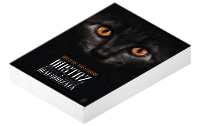

Nowa
Książka nowa.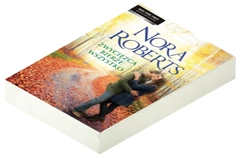
Używany - jak nowa
Niezauważalne lub prawie niezauważalne ślady używania. Książkę ciężko odróżnić od nowej pozycji.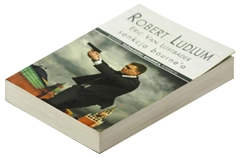
Używany - dobry
Normalne ślady używania wynikające z kartkowania podczas czytania, brak większych uszkodzeń lub zagięć.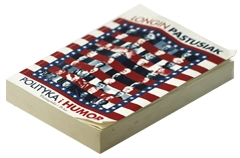
Używany - widoczne ślady użytkowania
zagięte rogi, przyniszczona okładka, książka posiada wszystkie strony.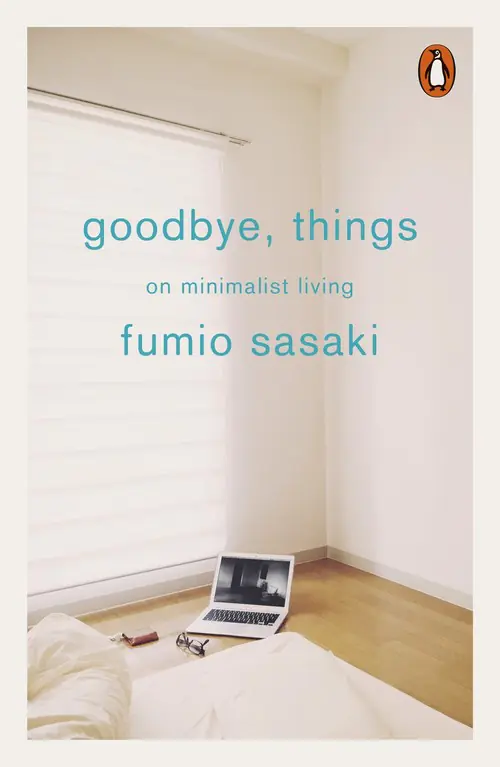
Goodbye, Things
Masz tę lub inne książki?
Sprzedaj je u nas

Fumio Sasaki, a writer in his thirties residing in a modest studio apartment in Tokyo, is gaining recognition as a leading figure in the art of decluttering. As praised by *The Times* as the "new king of decluttering", Sasaki encourages readers to enhance their spring cleaning rituals with insights from his book, *Goodbye, Things*, highlighted by *Parade* magazine. The crux of his message is the joy found in owning less. Reflecting on his past, Sasaki shares experiences of feeling unhappy and constantly comparing himself to others, leading him to believe his life was unsatisfactory. This discontent drove him to embrace minimalism, drastically reducing his possessions. In his popular Japanese bestseller, Sasaki delves into minimalist philosophy, presenting practical guidelines such as discarding items unused for a year, borrowing instead of buying, adopting a personal 'uniform', and cherishing memories with photos. These principles aim to guide readers toward simpler, happier, and more contented lives.
Wybierz stan zużycia:
WIĘCEJ O SKALI
Fumio Sasaki, a writer in his thirties residing in a modest studio apartment in Tokyo, is gaining recognition as a leading figure in the art of decluttering. As praised by *The Times* as the "new king of decluttering", Sasaki encourages readers to enhance their spring cleaning rituals with insights from his book, *Goodbye, Things*, highlighted by *Parade* magazine. The crux of his message is the joy found in owning less. Reflecting on his past, Sasaki shares experiences of feeling unhappy and constantly comparing himself to others, leading him to believe his life was unsatisfactory. This discontent drove him to embrace minimalism, drastically reducing his possessions. In his popular Japanese bestseller, Sasaki delves into minimalist philosophy, presenting practical guidelines such as discarding items unused for a year, borrowing instead of buying, adopting a personal 'uniform', and cherishing memories with photos. These principles aim to guide readers toward simpler, happier, and more contented lives.
Szczegóły
Inne książki tych autorów

Podobne produkty
Może Ci się spodobać
Inne książki z tej samej kategorii

Napisz opinię o książce i wygraj nagrodę!
W każdym miesiącu wybieramy najlepsze opinie i nagradzamy recenzentów.
Dowiedz się więcejWartość nagród w tym miesiącu
880 zł
Dodaj swoją opinię
Zaloguj się na swoje konto, aby mieć możliwość dodawania opinii.
Czy chcesz zostawić tylko ocenę?
Dodanie samej oceny o książce nie jest brane pod uwagę podczas losowania nagród. By mieć szansę na otrzymanie nagrody musisz napisać opinię o książce.
Już oceniłeś/zrecenzowałeś te książkę w przeszłości.
Możliwe jest dodanie tylko jednej recenzji do każdej z książek.
Sposoby dostawy
Odbiór w punkcie (6)
InPost Paczkomat 24/7

13,99 zł
ORLEN Paczka

12,99 zł




Dostawa na adres (7)
GLS U Ciebie - Kurier

14,99 zł
Kurier DPD

14,99 zł





Sposoby płatności
Płatność z góry
Przedpłata

Zwykły przelew
