Stan książek
Nasze książki są dokładnie sprawdzone i jasno określamy stan każdej z nich.


Nowa
Książka nowa.
Używany - jak nowa
Niezauważalne lub prawie niezauważalne ślady używania. Książkę ciężko odróżnić od nowej pozycji.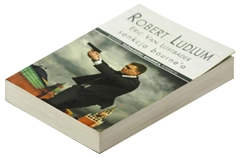
Używany - dobry
Normalne ślady używania wynikające z kartkowania podczas czytania, brak większych uszkodzeń lub zagięć.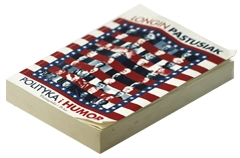
Używany - widoczne ślady użytkowania
zagięte rogi, przyniszczona okładka, książka posiada wszystkie strony.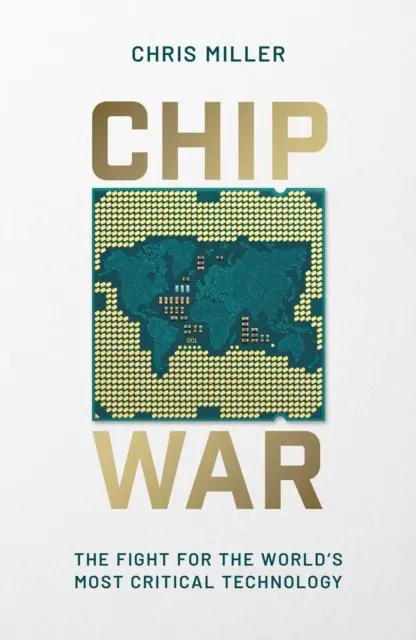
Chip War: The Fight for the World's Most Critical Technology
Masz tę lub inne książki?
Sprzedaj je u nas

An engaging narrative explores the prolonged struggle for dominance over microchip technology, now regarded as the world's most vital resource, as tensions rise between the United States and China. It may come as a surprise to many that microchips are essentially the new oil, serving as the cornerstone of the modern world. The functioning of almost every aspect of life today—ranging from military assets and economic systems to everyday gadgets like cars and smartphones—relies heavily on these tiny yet powerful components. Once leading the world in both designing and manufacturing the fastest chips, the United States now faces the threat of its supremacy being challenged by Taiwan, Korea, and Europe advancing their manufacturing capacities. As detailed in "Chip War," China is determined to bridge this gap by investing billions in chip production, aiming to compete with the United States both militarily and economically. Economic historian Chris Miller dives into the ascent of the semiconductor and how it became indispensable in modern society, illustrating the U.S.'s rise to prominence in chip innovation, which fueled its Cold War victory and global military power. Despite America's previous technological edge, China's concerted efforts in chip development and military enhancement signify a narrowing gap. The relinquishment of certain advanced chip manufacturing processes by the U.S. has precipitated a worldwide shortage and the emergence of a new Cold War with a formidable global competitor. Through its illuminating and insightful narrative, "Chip War" underscores the necessity of understanding the pivotal role of chips to grasp the complex interplay of current global politics, economics, and technology.
Wybierz stan zużycia:
WIĘCEJ O SKALI
An engaging narrative explores the prolonged struggle for dominance over microchip technology, now regarded as the world's most vital resource, as tensions rise between the United States and China. It may come as a surprise to many that microchips are essentially the new oil, serving as the cornerstone of the modern world. The functioning of almost every aspect of life today—ranging from military assets and economic systems to everyday gadgets like cars and smartphones—relies heavily on these tiny yet powerful components. Once leading the world in both designing and manufacturing the fastest chips, the United States now faces the threat of its supremacy being challenged by Taiwan, Korea, and Europe advancing their manufacturing capacities. As detailed in "Chip War," China is determined to bridge this gap by investing billions in chip production, aiming to compete with the United States both militarily and economically. Economic historian Chris Miller dives into the ascent of the semiconductor and how it became indispensable in modern society, illustrating the U.S.'s rise to prominence in chip innovation, which fueled its Cold War victory and global military power. Despite America's previous technological edge, China's concerted efforts in chip development and military enhancement signify a narrowing gap. The relinquishment of certain advanced chip manufacturing processes by the U.S. has precipitated a worldwide shortage and the emergence of a new Cold War with a formidable global competitor. Through its illuminating and insightful narrative, "Chip War" underscores the necessity of understanding the pivotal role of chips to grasp the complex interplay of current global politics, economics, and technology.
Szczegóły
Inne książki: Chris Miller

Podobne produkty
Może Ci się spodobać
Inne książki z tej samej kategorii

Napisz opinię o książce i wygraj nagrodę!
W każdym miesiącu wybieramy najlepsze opinie i nagradzamy recenzentów.
Dowiedz się więcejWartość nagród w tym miesiącu
880 zł
Dodaj swoją opinię
Zaloguj się na swoje konto, aby mieć możliwość dodawania opinii.
Czy chcesz zostawić tylko ocenę?
Dodanie samej oceny o książce nie jest brane pod uwagę podczas losowania nagród. By mieć szansę na otrzymanie nagrody musisz napisać opinię o książce.
Już oceniłeś/zrecenzowałeś te książkę w przeszłości.
Możliwe jest dodanie tylko jednej recenzji do każdej z książek.
Sposoby dostawy
Odbiór w punkcie (7)
InPost Paczkomat 24/7

14,99 zł
DPD Pickup Automaty i Punkty Odbioru

11,99 zł





Dostawa na adres (7)
GLS U Ciebie - Kurier

14,99 zł
Kurier DPD

14,99 zł





Sposoby płatności
Płatność z góry
Przedpłata

Zwykły przelew
