Stan książek
Nasze książki są dokładnie sprawdzone i jasno określamy stan każdej z nich.

Nowa
Książka nowa.
Używany - jak nowa
Niezauważalne lub prawie niezauważalne ślady używania. Książkę ciężko odróżnić od nowej pozycji.
Używany - dobry
Normalne ślady używania wynikające z kartkowania podczas czytania, brak większych uszkodzeń lub zagięć.
Używany - widoczne ślady użytkowania
zagięte rogi, przyniszczona okładka, książka posiada wszystkie strony.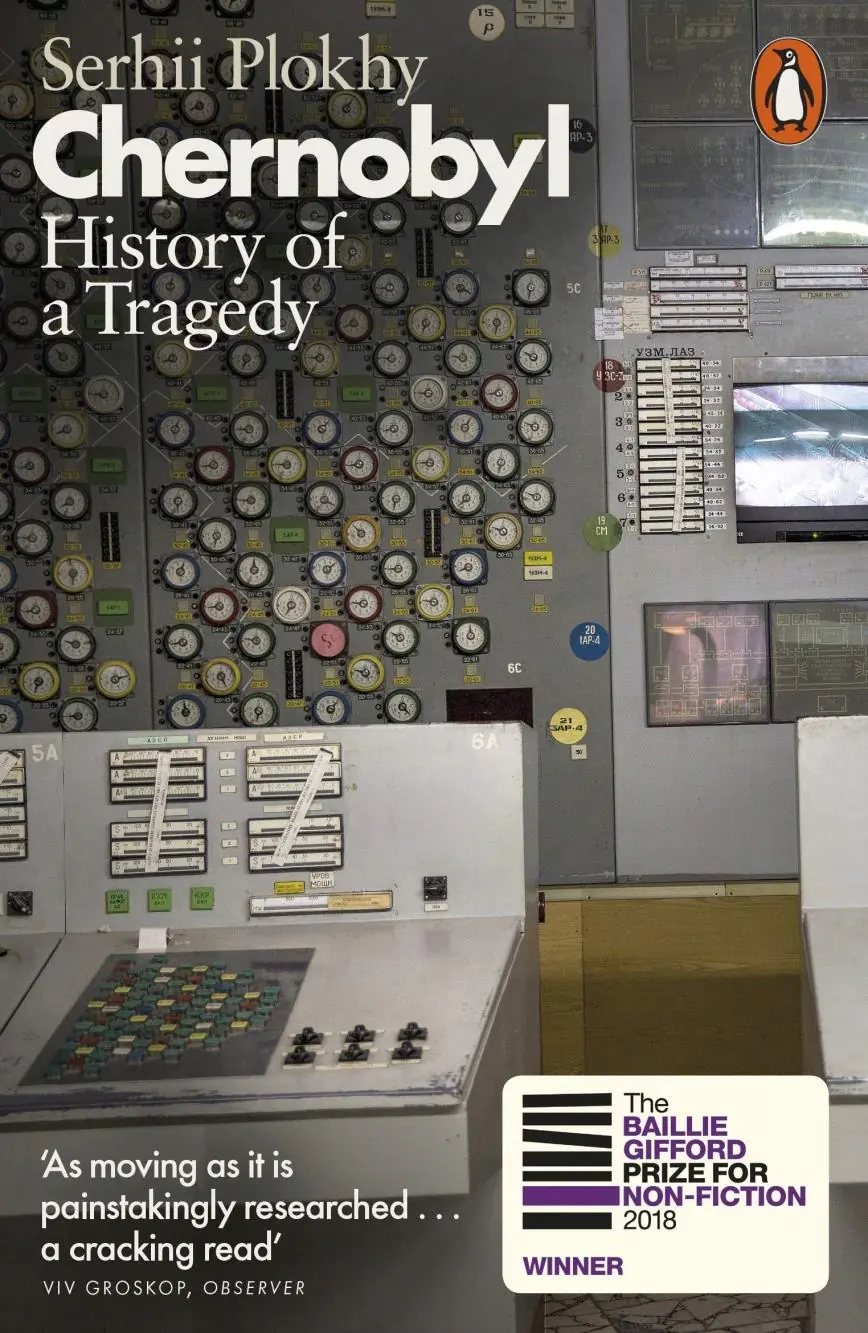
Chernobyl. History of a Tragedy
Masz tę lub inne książki?
Sprzedaj je u nas

On the early morning of 26 April 1986, precisely at 1.23am, a catastrophic explosion rocked the Chernobyl Nuclear Power Plant in Soviet Ukraine. As chaos unfolded, governmental attempts to grasp the situation left workers, engineers, firefighters, and local residents to confront the dire consequences on their own. This devastating incident pushed the world to the brink, spreading radioactive contamination across more than half of Europe.Celebrated historian Serhii Plokhy, in his book "Chernobyl," utilizes newly accessible archives to vividly recount these events in all their dramatic intensity. Through a detailed narrative, he introduces readers to the heroes, culprits, and those caught in the disaster's grip, offering the first comprehensive disclosure of this gripping Cold War episode. Described by Daniel Beer of the Guardian as an engaging chronicle of the 1986 calamity and its aftermath, Plokhy plunges readers into the anxiety-filled environment of the Chernobyl control room on that pivotal night, where human error and design faults created catastrophic consequences.Critics have praised the book for its haunting and profound storytelling, with Roland Elliott Brown of the Spectator noting its near-Tolstoyan depth and nostalgic tone. Victor Sebestyen from the Sunday Times highlights its extraordinary narrative power as the first extensive history of the world's largest nuclear disaster—a moment that defined the Cold War—and unfolds it in meticulous detail. Julian Evans of the Daily Telegraph compliments its classical tragedy narrative, and Julie McDowall from The Times acknowledges it as the substantial history the disaster justly warrants.
Wybierz stan zużycia:
WIĘCEJ O SKALI
On the early morning of 26 April 1986, precisely at 1.23am, a catastrophic explosion rocked the Chernobyl Nuclear Power Plant in Soviet Ukraine. As chaos unfolded, governmental attempts to grasp the situation left workers, engineers, firefighters, and local residents to confront the dire consequences on their own. This devastating incident pushed the world to the brink, spreading radioactive contamination across more than half of Europe.Celebrated historian Serhii Plokhy, in his book "Chernobyl," utilizes newly accessible archives to vividly recount these events in all their dramatic intensity. Through a detailed narrative, he introduces readers to the heroes, culprits, and those caught in the disaster's grip, offering the first comprehensive disclosure of this gripping Cold War episode. Described by Daniel Beer of the Guardian as an engaging chronicle of the 1986 calamity and its aftermath, Plokhy plunges readers into the anxiety-filled environment of the Chernobyl control room on that pivotal night, where human error and design faults created catastrophic consequences.Critics have praised the book for its haunting and profound storytelling, with Roland Elliott Brown of the Spectator noting its near-Tolstoyan depth and nostalgic tone. Victor Sebestyen from the Sunday Times highlights its extraordinary narrative power as the first extensive history of the world's largest nuclear disaster—a moment that defined the Cold War—and unfolds it in meticulous detail. Julian Evans of the Daily Telegraph compliments its classical tragedy narrative, and Julie McDowall from The Times acknowledges it as the substantial history the disaster justly warrants.
Szczegóły
Inne książki: Serhii Plokhy

Podobne produkty
Może Ci się spodobać
Inne książki z tej samej kategorii

Napisz opinię o książce i wygraj nagrodę!
W każdym miesiącu wybieramy najlepsze opinie i nagradzamy recenzentów.
Dowiedz się więcejWartość nagród w tym miesiącu
880 zł
Dodaj swoją opinię
Zaloguj się na swoje konto, aby mieć możliwość dodawania opinii.
Czy chcesz zostawić tylko ocenę?
Dodanie samej oceny o książce nie jest brane pod uwagę podczas losowania nagród. By mieć szansę na otrzymanie nagrody musisz napisać opinię o książce.
Już oceniłeś/zrecenzowałeś te książkę w przeszłości.
Możliwe jest dodanie tylko jednej recenzji do każdej z książek.
Sposoby dostawy
Płatne z góry

InPost Paczkomaty 24/7
13.99 zł
Darmowa od 190 zł

ORLEN Paczka
12.99 zł
Darmowa od 190 zł

Automaty DHL BOX 24/7 i punkty POP
12.99 zł
Darmowa od 190 zł

DPD Pickup Automaty i Punkty Odbioru
8.99 zł
Darmowa od 190 zł

Automaty Orlen Paczka, sklepy Żabka i inne
12.99 zł
Darmowa od 190 zł

GLS U Ciebie - Kurier
14.99 zł
Darmowa od 190 zł

Kurier DPD
14.99 zł
Darmowa od 190 zł

Kurier InPost
14.99 zł
Darmowa od 190 zł

Pocztex Kurier
13.99 zł
Darmowa od 190 zł

Kurier DHL
14.99 zł
Darmowa od 190 zł

Kurier GLS - kraje UE
69.00 zł

Punkt odbioru (Dębica)
2.99 zł
Darmowa od 190 zł
Płatne przy odbiorze

Kurier GLS pobranie
23.99 zł
Sposoby płatności
Płatność z góry
Przedpłata

Zwykły przelew
