Stan książek
Nasze książki są dokładnie sprawdzone i jasno określamy stan każdej z nich.


Nowa
Książka nowa.
Używany - jak nowa
Niezauważalne lub prawie niezauważalne ślady używania. Książkę ciężko odróżnić od nowej pozycji.
Używany - dobry
Normalne ślady używania wynikające z kartkowania podczas czytania, brak większych uszkodzeń lub zagięć.
Używany - widoczne ślady użytkowania
zagięte rogi, przyniszczona okładka, książka posiada wszystkie strony.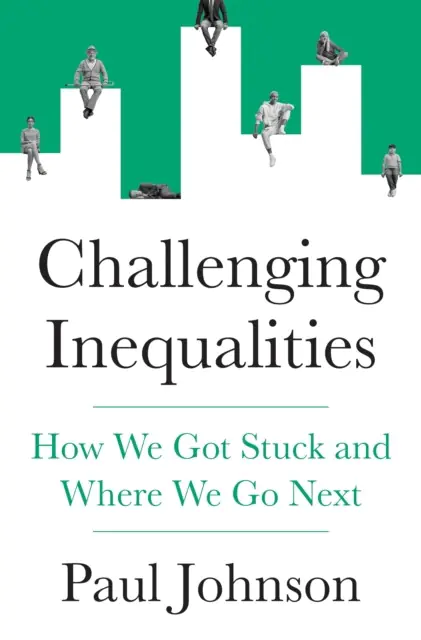
Challenging Inequalities. How We Got Stuck and Where We Go Next
Masz tę lub inne książki?
Sprzedaj je u nas

A detailed exploration of inequalities underscores their significance in the modern world. Across developed nations, there's a prevailing belief that the journey toward an improved society has hit a standstill. A number of countries, including the UK, have faced ongoing economic stagnation, coupled with diminishing trust in institutional structures. Governments find themselves grappling with not only traditional economic challenges but also the emerging issues posed by climate change, migration, and the rapid pace of technological innovation."Challenging Inequalities" ties these circumstances to the broader spectrum of inequality—not merely in income and wealth, but also concerning health, political engagement, and access to opportunities. It presents not only a thorough analysis of various forms of inequalities but also delves into why these disparities matter, how they've evolved, and what actions could and should be taken to address them. The book elucidates the lasting effects of early life and educational experiences and explores employment and earnings patterns over recent decades.It posits that the economic stagnation since the 2008–2009 financial crises has brought to light inequalities rooted in the 1980s. Incomes have plateaued, and progress in reducing health disparities and addressing gender, ethnic, geographic, age, and educational inequalities has stalled. This blend of wage disparity and economic stagnation has heightened the significance of wealth, concentrated economic influence among the older generation, and led to declining social mobility.Economic inequalities have directly resulted in stark disparities among regions and in the political power held by different groups. The imperative to tackle inequality is more pressing than ever. "Challenging Inequalities" provides guidance on how we arrived at this critical juncture and offers strategies for altering the current path to achieve beneficial outcomes for everyone.
Wybierz stan zużycia:
WIĘCEJ O SKALI
A detailed exploration of inequalities underscores their significance in the modern world. Across developed nations, there's a prevailing belief that the journey toward an improved society has hit a standstill. A number of countries, including the UK, have faced ongoing economic stagnation, coupled with diminishing trust in institutional structures. Governments find themselves grappling with not only traditional economic challenges but also the emerging issues posed by climate change, migration, and the rapid pace of technological innovation."Challenging Inequalities" ties these circumstances to the broader spectrum of inequality—not merely in income and wealth, but also concerning health, political engagement, and access to opportunities. It presents not only a thorough analysis of various forms of inequalities but also delves into why these disparities matter, how they've evolved, and what actions could and should be taken to address them. The book elucidates the lasting effects of early life and educational experiences and explores employment and earnings patterns over recent decades.It posits that the economic stagnation since the 2008–2009 financial crises has brought to light inequalities rooted in the 1980s. Incomes have plateaued, and progress in reducing health disparities and addressing gender, ethnic, geographic, age, and educational inequalities has stalled. This blend of wage disparity and economic stagnation has heightened the significance of wealth, concentrated economic influence among the older generation, and led to declining social mobility.Economic inequalities have directly resulted in stark disparities among regions and in the political power held by different groups. The imperative to tackle inequality is more pressing than ever. "Challenging Inequalities" provides guidance on how we arrived at this critical juncture and offers strategies for altering the current path to achieve beneficial outcomes for everyone.
Szczegóły
Inne książki: Paul Johnson

Podobne produkty
Może Ci się spodobać
Inne książki z tej samej kategorii

Napisz opinię o książce i wygraj nagrodę!
W każdym miesiącu wybieramy najlepsze opinie i nagradzamy recenzentów.
Dowiedz się więcejWartość nagród w tym miesiącu
880 zł
Dodaj swoją opinię
Zaloguj się na swoje konto, aby mieć możliwość dodawania opinii.
Czy chcesz zostawić tylko ocenę?
Dodanie samej oceny o książce nie jest brane pod uwagę podczas losowania nagród. By mieć szansę na otrzymanie nagrody musisz napisać opinię o książce.
Już oceniłeś/zrecenzowałeś te książkę w przeszłości.
Możliwe jest dodanie tylko jednej recenzji do każdej z książek.
Sposoby dostawy
Płatne z góry

InPost Paczkomaty 24/7
13.99 zł
Darmowa od 190 zł

ORLEN Paczka
12.99 zł
Darmowa od 190 zł

Automaty DHL BOX 24/7 i punkty POP
12.99 zł
Darmowa od 190 zł

DPD Pickup Automaty i Punkty Odbioru
8.99 zł
Darmowa od 190 zł

Automaty Orlen Paczka, sklepy Żabka i inne
12.99 zł
Darmowa od 190 zł

GLS U Ciebie - Kurier
14.99 zł
Darmowa od 190 zł

Kurier DPD
14.99 zł
Darmowa od 190 zł

Kurier InPost
14.99 zł
Darmowa od 190 zł

Pocztex Kurier
13.99 zł
Darmowa od 190 zł

Kurier DHL
14.99 zł
Darmowa od 190 zł

Kurier GLS - kraje UE
69.00 zł

Punkt odbioru (Dębica)
2.99 zł
Darmowa od 190 zł
Płatne przy odbiorze

Kurier GLS pobranie
23.99 zł
Sposoby płatności
Płatność z góry
Przedpłata

Zwykły przelew
