Stan książek
Nasze książki są dokładnie sprawdzone i jasno określamy stan każdej z nich.


Nowa
Książka nowa.
Używany - jak nowa
Niezauważalne lub prawie niezauważalne ślady używania. Książkę ciężko odróżnić od nowej pozycji.
Używany - dobry
Normalne ślady używania wynikające z kartkowania podczas czytania, brak większych uszkodzeń lub zagięć.
Używany - widoczne ślady użytkowania
zagięte rogi, przyniszczona okładka, książka posiada wszystkie strony.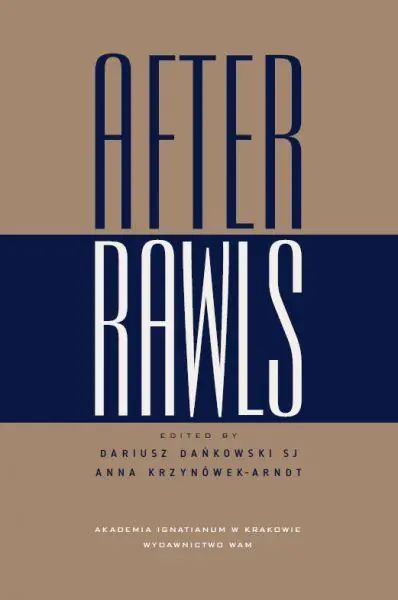
After Rawls
Masz tę lub inne książki?
Sprzedaj je u nas

The book "After Rawls" is a compelling collection of essays that delves into two significant avenues of scholarly exploration. Firstly, it offers fresh interpretations of John Rawls's foundational ideas, extending conversations with fellow philosophers, and presents ways to broaden his political philosophy to tackle some of today's pressing global issues. The second research avenue focuses on how Rawls's philosophical contributions have been received specifically in Europe, with a spotlight on the Polish context.In contemporary Poland, as well as in Eastern Europe broadly, there is an observable intersection between two influential traditions: the liberal democracy of the West and local religious-national traditions. In countries that once operated under communist regimes, such as Poland, the initial excited embrace of Western liberal values has shifted towards a more thoughtful examination of what a Polish variant of liberalism could entail. These debates often center around fundamental reviews of Poland's constitutional framework and provoke public discourse on this topic.Rawls's criticism of political power from the standpoint of justice, along with his views on capitalism and economic structures—particularly his idea of a property-owning democracy—captures critical themes in the realm of contemporary political philosophy. His vision for a fair and rational society has left a mark on concepts of promoting transparency and inclusivity within public discourse. His ideas serve as an instructive framework in modern dialogues concerning lawful constitutional order, identity, citizenship, political involvement, and the intricate balance between public and private spheres, among numerous other political philosophy considerations today.
Wybierz stan zużycia:
WIĘCEJ O SKALI
The book "After Rawls" is a compelling collection of essays that delves into two significant avenues of scholarly exploration. Firstly, it offers fresh interpretations of John Rawls's foundational ideas, extending conversations with fellow philosophers, and presents ways to broaden his political philosophy to tackle some of today's pressing global issues. The second research avenue focuses on how Rawls's philosophical contributions have been received specifically in Europe, with a spotlight on the Polish context.In contemporary Poland, as well as in Eastern Europe broadly, there is an observable intersection between two influential traditions: the liberal democracy of the West and local religious-national traditions. In countries that once operated under communist regimes, such as Poland, the initial excited embrace of Western liberal values has shifted towards a more thoughtful examination of what a Polish variant of liberalism could entail. These debates often center around fundamental reviews of Poland's constitutional framework and provoke public discourse on this topic.Rawls's criticism of political power from the standpoint of justice, along with his views on capitalism and economic structures—particularly his idea of a property-owning democracy—captures critical themes in the realm of contemporary political philosophy. His vision for a fair and rational society has left a mark on concepts of promoting transparency and inclusivity within public discourse. His ideas serve as an instructive framework in modern dialogues concerning lawful constitutional order, identity, citizenship, political involvement, and the intricate balance between public and private spheres, among numerous other political philosophy considerations today.
Szczegóły
Inne książki tych autorów

Podobne produkty
Może Ci się spodobać
Inne książki z tej samej kategorii

Napisz opinię o książce i wygraj nagrodę!
W każdym miesiącu wybieramy najlepsze opinie i nagradzamy recenzentów.
Dowiedz się więcejWartość nagród w tym miesiącu
880 zł
Dodaj swoją opinię
Zaloguj się na swoje konto, aby mieć możliwość dodawania opinii.
Czy chcesz zostawić tylko ocenę?
Dodanie samej oceny o książce nie jest brane pod uwagę podczas losowania nagród. By mieć szansę na otrzymanie nagrody musisz napisać opinię o książce.
Już oceniłeś/zrecenzowałeś te książkę w przeszłości.
Możliwe jest dodanie tylko jednej recenzji do każdej z książek.
Sposoby dostawy
Odbiór w punkcie (6)
InPost Paczkomat 24/7

13,99 zł
ORLEN Paczka

12,99 zł




Dostawa na adres (7)
GLS U Ciebie - Kurier

14,99 zł
Kurier DPD

14,99 zł





Sposoby płatności
Płatność z góry
Przedpłata

Zwykły przelew
