Stan książek
Nasze książki są dokładnie sprawdzone i jasno określamy stan każdej z nich.


Nowa
Książka nowa.
Używany - jak nowa
Niezauważalne lub prawie niezauważalne ślady używania. Książkę ciężko odróżnić od nowej pozycji.
Używany - dobry
Normalne ślady używania wynikające z kartkowania podczas czytania, brak większych uszkodzeń lub zagięć.
Używany - widoczne ślady użytkowania
zagięte rogi, przyniszczona okładka, książka posiada wszystkie strony.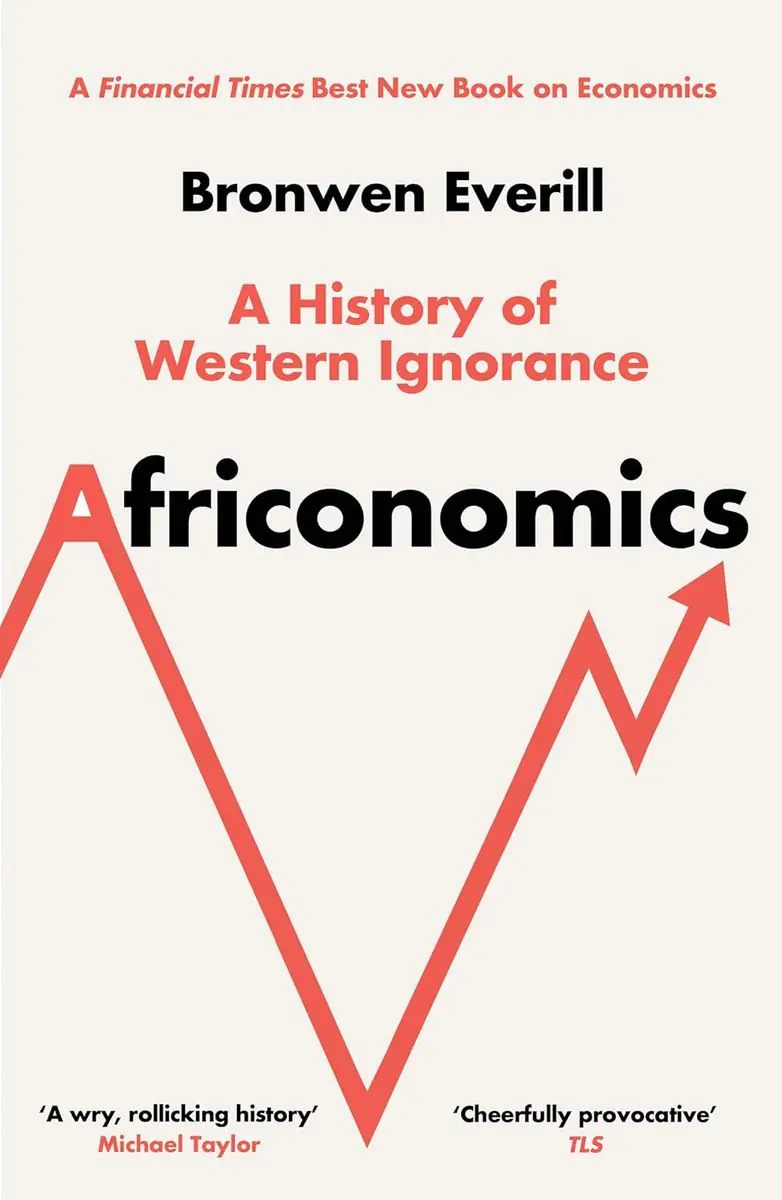
Africonomics. A History of Western Ignorance and African Economics wer. angielska
Masz tę lub inne książki?
Sprzedaj je u nas

'Financial Times' describes it as 'a historically insightful read,' while Michael Taylor, author of 'The Interest,' labels it 'a wry, rollicking, and provocative history.' Astrid Madimba and Chinny Ukata, the authors of 'It’s A Continent,' find it to offer a 'thought-provoking analysis of Africa's relationship with economic imperialism.' For too long, the Western world has approached African economics with the notion that they need fixing. From the end of the slave trade, missionaries, philanthropists, development experts, and NGOs have ventured to Africa armed with noble intentions but misguided strategies, only to witness unforeseen failures.Historian Bronwen Everill, in a provocative examination of how Western economic principles have been applied in Africa, asserts that these efforts falter because they mistakenly assume African economies should mirror those of the West. Europeans and Americans have often disregarded Africa's unique economic philosophies, believing universal economic principles could operate across diverse contexts. They imposed Western viewpoints on various economic aspects like growth, wealth, debt, and employment, measuring African progress by Western standards.Everill's work, 'Africonomics,' demonstrates that Westerners are not better suited than Africans to dictate economic processes on the continent. By disentangling the complex web of economic history, the book shifts the focus from Western misconceptions to a more informed African perspective. It was recognized for its contribution to understanding African business by being shortlisted for the BCA African Business Book of the Year.
Wybierz stan zużycia:
WIĘCEJ O SKALI
'Financial Times' describes it as 'a historically insightful read,' while Michael Taylor, author of 'The Interest,' labels it 'a wry, rollicking, and provocative history.' Astrid Madimba and Chinny Ukata, the authors of 'It’s A Continent,' find it to offer a 'thought-provoking analysis of Africa's relationship with economic imperialism.' For too long, the Western world has approached African economics with the notion that they need fixing. From the end of the slave trade, missionaries, philanthropists, development experts, and NGOs have ventured to Africa armed with noble intentions but misguided strategies, only to witness unforeseen failures.Historian Bronwen Everill, in a provocative examination of how Western economic principles have been applied in Africa, asserts that these efforts falter because they mistakenly assume African economies should mirror those of the West. Europeans and Americans have often disregarded Africa's unique economic philosophies, believing universal economic principles could operate across diverse contexts. They imposed Western viewpoints on various economic aspects like growth, wealth, debt, and employment, measuring African progress by Western standards.Everill's work, 'Africonomics,' demonstrates that Westerners are not better suited than Africans to dictate economic processes on the continent. By disentangling the complex web of economic history, the book shifts the focus from Western misconceptions to a more informed African perspective. It was recognized for its contribution to understanding African business by being shortlisted for the BCA African Business Book of the Year.
Szczegóły
Dane producenta:
Inne książki: Bronwen Everill

Podobne produkty
Może Ci się spodobać
Inne książki z tej samej kategorii

Napisz opinię o książce i wygraj nagrodę!
W każdym miesiącu wybieramy najlepsze opinie i nagradzamy recenzentów.
Dowiedz się więcejWartość nagród w tym miesiącu
880 zł
Dodaj swoją opinię
Zaloguj się na swoje konto, aby mieć możliwość dodawania opinii.
Czy chcesz zostawić tylko ocenę?
Dodanie samej oceny o książce nie jest brane pod uwagę podczas losowania nagród. By mieć szansę na otrzymanie nagrody musisz napisać opinię o książce.
Już oceniłeś/zrecenzowałeś te książkę w przeszłości.
Możliwe jest dodanie tylko jednej recenzji do każdej z książek.
Sposoby dostawy
Odbiór w punkcie (7)
InPost Paczkomat 24/7

14,99 zł
DPD Pickup Automaty i Punkty Odbioru

11,99 zł





Dostawa na adres (7)
GLS U Ciebie - Kurier

14,99 zł
Kurier DPD

14,99 zł





Sposoby płatności
Płatność z góry
Przedpłata

Zwykły przelew
