Stan książek
Nasze książki są dokładnie sprawdzone i jasno określamy stan każdej z nich.
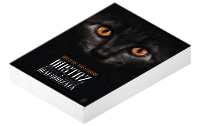

Nowa
Książka nowa.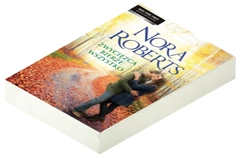
Używany - jak nowa
Niezauważalne lub prawie niezauważalne ślady używania. Książkę ciężko odróżnić od nowej pozycji.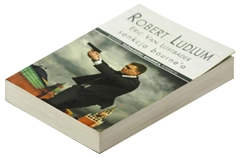
Używany - dobry
Normalne ślady używania wynikające z kartkowania podczas czytania, brak większych uszkodzeń lub zagięć.
Używany - widoczne ślady użytkowania
zagięte rogi, przyniszczona okładka, książka posiada wszystkie strony.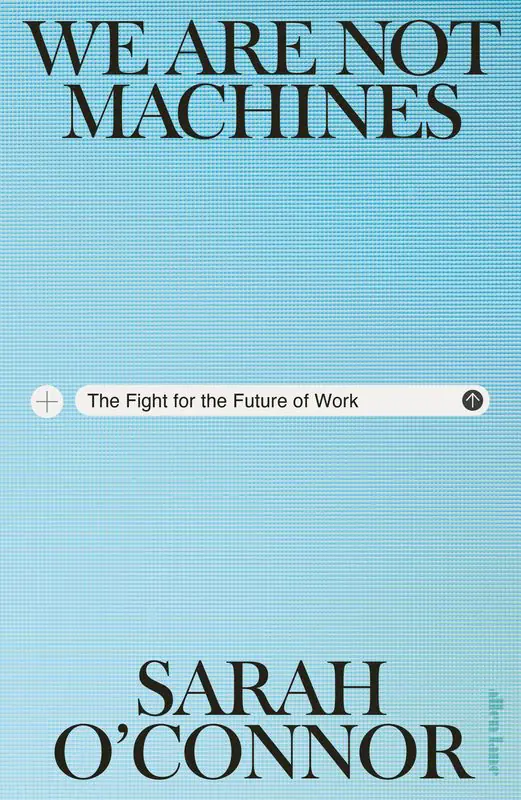
We Are Not Machines
Masz tę lub inne książki?
Sprzedaj je u nas

We often hear that the economy is being transformed by a wave of robots and artificial intelligence, which are poised to take over jobs traditionally handled by humans. The common fear is that our work may become more mechanized, yet there’s a deeper concern: the potential dehumanization of ourselves in the process. Award-winning journalist Sarah O’Connor from the Financial Times explored the frontline of this technological evolution and discovered that people weren't necessarily losing their jobs to machines; instead, they felt they were losing aspects of what made their work fulfilling. For instance, translators now have to refine machine-generated translations, university graduates endure interviews conducted by software, and warehouse employees find themselves working alongside robots, leading to feelings of isolation and decreased creativity.However, O’Connor also uncovered optimistic narratives where advancements in technology have resulted in work that is safer, more satisfying, and enriched. In these cases, workers didn't resist technological innovations; they learned to manage them effectively. Her stories delve into themes of authority, design, and the roles of institutions, illustrating that while technology reshapes the job market, its impact is not set in stone—it can and should be guided by society. Drawing inspiration from historical shifts seen in English cotton mills to modern changes in Swedish mines, "We Are Not Machines" highlights the ongoing struggle to cultivate work environments that respect human boundaries and engage our intellects.
Wybierz stan zużycia:
WIĘCEJ O SKALI
We often hear that the economy is being transformed by a wave of robots and artificial intelligence, which are poised to take over jobs traditionally handled by humans. The common fear is that our work may become more mechanized, yet there’s a deeper concern: the potential dehumanization of ourselves in the process. Award-winning journalist Sarah O’Connor from the Financial Times explored the frontline of this technological evolution and discovered that people weren't necessarily losing their jobs to machines; instead, they felt they were losing aspects of what made their work fulfilling. For instance, translators now have to refine machine-generated translations, university graduates endure interviews conducted by software, and warehouse employees find themselves working alongside robots, leading to feelings of isolation and decreased creativity.However, O’Connor also uncovered optimistic narratives where advancements in technology have resulted in work that is safer, more satisfying, and enriched. In these cases, workers didn't resist technological innovations; they learned to manage them effectively. Her stories delve into themes of authority, design, and the roles of institutions, illustrating that while technology reshapes the job market, its impact is not set in stone—it can and should be guided by society. Drawing inspiration from historical shifts seen in English cotton mills to modern changes in Swedish mines, "We Are Not Machines" highlights the ongoing struggle to cultivate work environments that respect human boundaries and engage our intellects.
Szczegóły
Inne książki tych autorów

Podobne produkty
Może Ci się spodobać
Inne książki z tej samej kategorii

Napisz opinię o książce i wygraj nagrodę!
W każdym miesiącu wybieramy najlepsze opinie i nagradzamy recenzentów.
Dowiedz się więcejWartość nagród w tym miesiącu
880 zł
Dodaj swoją opinię
Zaloguj się na swoje konto, aby mieć możliwość dodawania opinii.
Czy chcesz zostawić tylko ocenę?
Dodanie samej oceny o książce nie jest brane pod uwagę podczas losowania nagród. By mieć szansę na otrzymanie nagrody musisz napisać opinię o książce.
Już oceniłeś/zrecenzowałeś te książkę w przeszłości.
Możliwe jest dodanie tylko jednej recenzji do każdej z książek.
Sposoby dostawy
Odbiór w punkcie (6)
InPost Paczkomat 24/7

13,99 zł
ORLEN Paczka

12,99 zł




Dostawa na adres (7)
GLS U Ciebie - Kurier

14,99 zł
Kurier DPD

14,99 zł





Sposoby płatności
Płatność z góry
Przedpłata

Zwykły przelew
