Stan książek
Nasze książki są dokładnie sprawdzone i jasno określamy stan każdej z nich.


Nowa
Książka nowa.
Używany - jak nowa
Niezauważalne lub prawie niezauważalne ślady używania. Książkę ciężko odróżnić od nowej pozycji.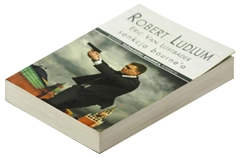
Używany - dobry
Normalne ślady używania wynikające z kartkowania podczas czytania, brak większych uszkodzeń lub zagięć.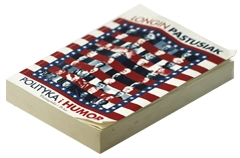
Używany - widoczne ślady użytkowania
zagięte rogi, przyniszczona okładka, książka posiada wszystkie strony.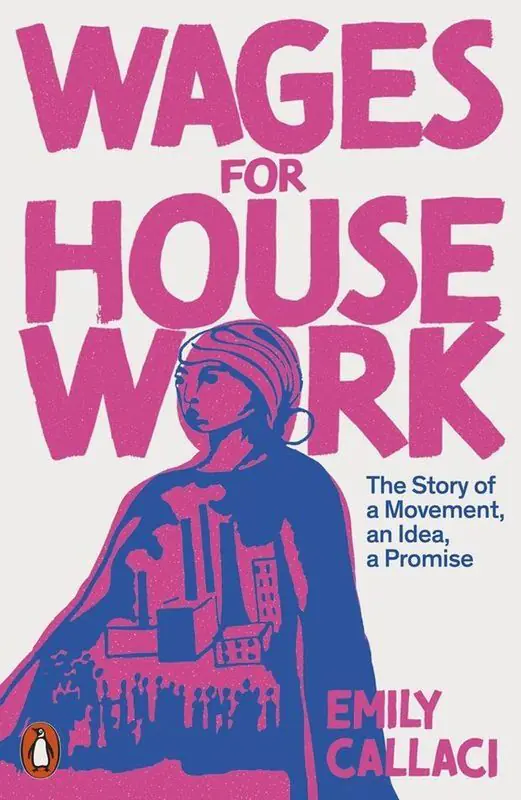
Wages for Housework
Masz tę lub inne książki?
Sprzedaj je u nas

In the 1970s, a bold message echoed globally: women wanted compensation for every menial task and injustice, from scrubbing toilets to childbearing. This demand extended to seeking a wage for every gesture society took for granted. The call for "Wages for Housework" represented a radical challenge from a network of feminists determined to recognize the economic value of household labor.Historian Emily Callaci sheds light on this movement by delving into the lives and thoughts of its pioneers. She traces their journey, beginning with Selma James, a working-class organizer, and Mariarosa Dalla Costa, a scholar-activist, who initiated this campaign in London and Italy. As the movement evolved, Silvia Federici contextualized it within New York City's financial difficulties, while Wilmette Brown, a lesbian poet and anti-war advocate, and Margaret Prescod, a community activist, infused the movement with insights from Black feminism.Combining fresh archival findings and numerous interviews, Callaci examines how the movement extended its reach across continents, including Europe, America, Africa, and the Caribbean. For these activists, demanding wages was more than a financial plea; it was a means to envision and construct an alternative world under capitalism—and perhaps beyond it. The movement continues to inspire profound reflection: How might a society that values care above production transform our world? What freedoms would women gain with more time at their disposal? These are the enduring questions posed by the Wages for Housework movement.
Wybierz stan zużycia:
WIĘCEJ O SKALI
In the 1970s, a bold message echoed globally: women wanted compensation for every menial task and injustice, from scrubbing toilets to childbearing. This demand extended to seeking a wage for every gesture society took for granted. The call for "Wages for Housework" represented a radical challenge from a network of feminists determined to recognize the economic value of household labor.Historian Emily Callaci sheds light on this movement by delving into the lives and thoughts of its pioneers. She traces their journey, beginning with Selma James, a working-class organizer, and Mariarosa Dalla Costa, a scholar-activist, who initiated this campaign in London and Italy. As the movement evolved, Silvia Federici contextualized it within New York City's financial difficulties, while Wilmette Brown, a lesbian poet and anti-war advocate, and Margaret Prescod, a community activist, infused the movement with insights from Black feminism.Combining fresh archival findings and numerous interviews, Callaci examines how the movement extended its reach across continents, including Europe, America, Africa, and the Caribbean. For these activists, demanding wages was more than a financial plea; it was a means to envision and construct an alternative world under capitalism—and perhaps beyond it. The movement continues to inspire profound reflection: How might a society that values care above production transform our world? What freedoms would women gain with more time at their disposal? These are the enduring questions posed by the Wages for Housework movement.
Szczegóły
Inne książki: Emily Callaci

Podobne produkty
Może Ci się spodobać
Inne książki z tej samej kategorii

Napisz opinię o książce i wygraj nagrodę!
W każdym miesiącu wybieramy najlepsze opinie i nagradzamy recenzentów.
Dowiedz się więcejWartość nagród w tym miesiącu
880 zł
Dodaj swoją opinię
Zaloguj się na swoje konto, aby mieć możliwość dodawania opinii.
Czy chcesz zostawić tylko ocenę?
Dodanie samej oceny o książce nie jest brane pod uwagę podczas losowania nagród. By mieć szansę na otrzymanie nagrody musisz napisać opinię o książce.
Już oceniłeś/zrecenzowałeś te książkę w przeszłości.
Możliwe jest dodanie tylko jednej recenzji do każdej z książek.
Sposoby dostawy
Odbiór w punkcie (7)
InPost Paczkomat 24/7

14,99 zł
DPD Pickup Automaty i Punkty Odbioru

10,49 zł





Dostawa na adres (7)
GLS U Ciebie - Kurier

14,99 zł
Kurier DPD

14,99 zł





Sposoby płatności
Płatność z góry
Przedpłata

Zwykły przelew
