Stan książek
Nasze książki są dokładnie sprawdzone i jasno określamy stan każdej z nich.
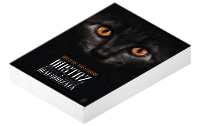

Nowa
Książka nowa.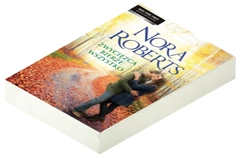
Używany - jak nowa
Niezauważalne lub prawie niezauważalne ślady używania. Książkę ciężko odróżnić od nowej pozycji.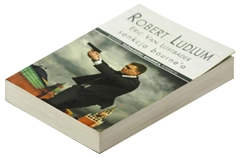
Używany - dobry
Normalne ślady używania wynikające z kartkowania podczas czytania, brak większych uszkodzeń lub zagięć.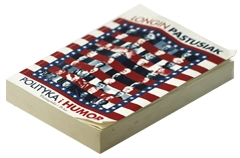
Używany - widoczne ślady użytkowania
zagięte rogi, przyniszczona okładka, książka posiada wszystkie strony.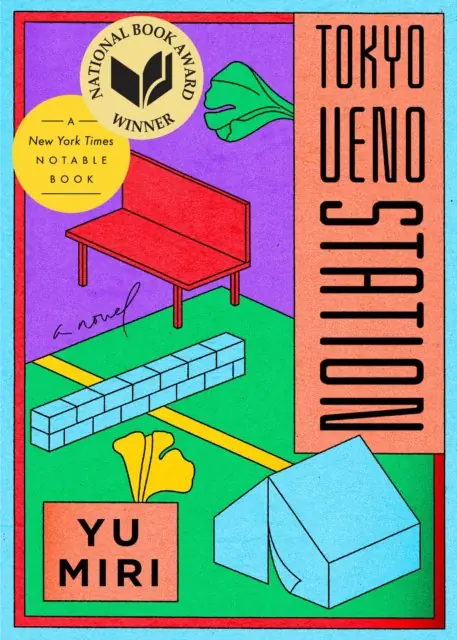
Tokyo Ueno Station
Masz tę lub inne książki?
Sprzedaj je u nas

Awarded the 2020 National Book Award for Translated Literature and recognized as a New York Times Notable Book of the Year, this novel presents a haunting tale set in one of Tokyo's busiest regions. It follows the ghostly existence of Kazu, a man born in Fukushima in 1933, the same year as the Japanese Emperor. His life is intricately woven with Japan's modern history and the Imperial family due to a series of coincidences. However, plagued by misfortune, Kazu never finds peace and instead lingers restlessly in the park near Ueno Station in Tokyo. His life's journey in Tokyo began when he worked as a laborer preparing for the 1964 Olympics and ended when he lived among the homeless in the park, his spirit broken by the 2011 tsunami and the announcement of the 2020 Olympics. Through Kazu's perspective, we witness the bustling life of Tokyo and delve into his deeply personal story—touched by loss and societal inequality—which ultimately leads to his spectral existence, with glimpses of beauty and grace perpetually elusive. "Tokyo Ueno Station" by one of Japan's most acclaimed outsider authors offers a profound insight into marginalized life within a thriving global city.
Wybierz stan zużycia:
WIĘCEJ O SKALI
Awarded the 2020 National Book Award for Translated Literature and recognized as a New York Times Notable Book of the Year, this novel presents a haunting tale set in one of Tokyo's busiest regions. It follows the ghostly existence of Kazu, a man born in Fukushima in 1933, the same year as the Japanese Emperor. His life is intricately woven with Japan's modern history and the Imperial family due to a series of coincidences. However, plagued by misfortune, Kazu never finds peace and instead lingers restlessly in the park near Ueno Station in Tokyo. His life's journey in Tokyo began when he worked as a laborer preparing for the 1964 Olympics and ended when he lived among the homeless in the park, his spirit broken by the 2011 tsunami and the announcement of the 2020 Olympics. Through Kazu's perspective, we witness the bustling life of Tokyo and delve into his deeply personal story—touched by loss and societal inequality—which ultimately leads to his spectral existence, with glimpses of beauty and grace perpetually elusive. "Tokyo Ueno Station" by one of Japan's most acclaimed outsider authors offers a profound insight into marginalized life within a thriving global city.
Szczegóły
Inne książki: Yu Miri

Podobne produkty
Może Ci się spodobać
Inne książki z tej samej kategorii

Napisz opinię o książce i wygraj nagrodę!
W każdym miesiącu wybieramy najlepsze opinie i nagradzamy recenzentów.
Dowiedz się więcejWartość nagród w tym miesiącu
880 zł
Dodaj swoją opinię
Zaloguj się na swoje konto, aby mieć możliwość dodawania opinii.
Czy chcesz zostawić tylko ocenę?
Dodanie samej oceny o książce nie jest brane pod uwagę podczas losowania nagród. By mieć szansę na otrzymanie nagrody musisz napisać opinię o książce.
Już oceniłeś/zrecenzowałeś te książkę w przeszłości.
Możliwe jest dodanie tylko jednej recenzji do każdej z książek.
Sposoby dostawy
Odbiór w punkcie (6)
InPost Paczkomat 24/7

13,99 zł
ORLEN Paczka

12,99 zł




Dostawa na adres (7)
GLS U Ciebie - Kurier

14,99 zł
Kurier DPD

14,99 zł





Sposoby płatności
Płatność z góry
Przedpłata

Zwykły przelew
