Stan książek
Nasze książki są dokładnie sprawdzone i jasno określamy stan każdej z nich.
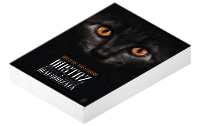

Nowa
Książka nowa.
Używany - jak nowa
Niezauważalne lub prawie niezauważalne ślady używania. Książkę ciężko odróżnić od nowej pozycji.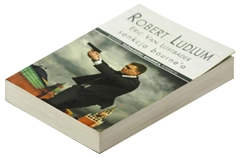
Używany - dobry
Normalne ślady używania wynikające z kartkowania podczas czytania, brak większych uszkodzeń lub zagięć.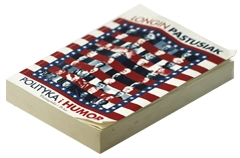
Używany - widoczne ślady użytkowania
zagięte rogi, przyniszczona okładka, książka posiada wszystkie strony.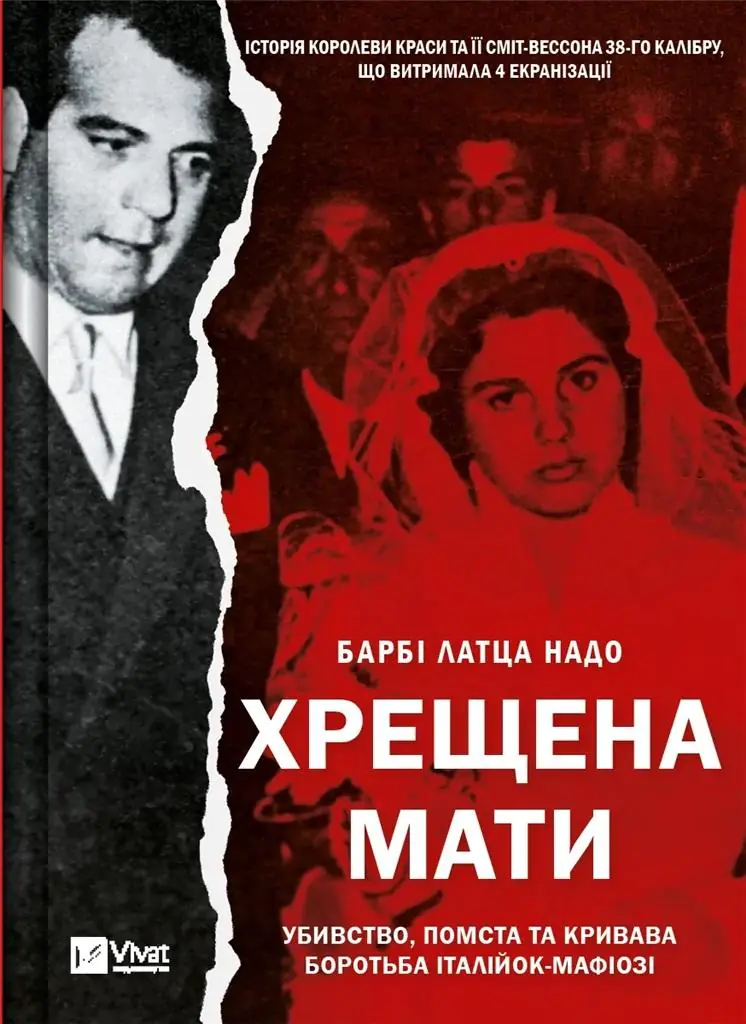
The Godmother. Murder, revenge...w.ukraińska
Masz tę lub inne książki?
Sprzedaj je u nas

In the intricate world of the Italian mafia, women are typically expected to maintain traditions, transmitting the criminal ethos to future generations. They also take on roles that are often kept out of sight—caring for the family, serving as confidants, and acting as secretaries—because the perception is that "women do not belong to the mafia." However, this narrative was defied by Puppetta, who took justice into her own hands by firing 29 bullets at Antonio Esposito, the killer of her spouse. Puppetta's bold actions, while seen as a male domain, reveal that she is not the sole woman to make a significant impact on the mafia's history.For years, law enforcement underestimated the wives of notorious figures, viewing them as mere accessories. Yet, these women transformed into the backbone of criminal enterprises, far surpassing societal expectations and restrictions. Through the tale of Puppetta, the author delves into a gritty and often misunderstood underworld, where authority is scorned, and vengeance is revered. It is a realm where deviation from traditional roles or family loyalty is deemed unforgivable, assigning men strength and dominance while relegating women to loyalty and invisibility. Despite these expectations, the reality proves to be more complex and nuanced.
Wybierz stan zużycia:
WIĘCEJ O SKALI
In the intricate world of the Italian mafia, women are typically expected to maintain traditions, transmitting the criminal ethos to future generations. They also take on roles that are often kept out of sight—caring for the family, serving as confidants, and acting as secretaries—because the perception is that "women do not belong to the mafia." However, this narrative was defied by Puppetta, who took justice into her own hands by firing 29 bullets at Antonio Esposito, the killer of her spouse. Puppetta's bold actions, while seen as a male domain, reveal that she is not the sole woman to make a significant impact on the mafia's history.For years, law enforcement underestimated the wives of notorious figures, viewing them as mere accessories. Yet, these women transformed into the backbone of criminal enterprises, far surpassing societal expectations and restrictions. Through the tale of Puppetta, the author delves into a gritty and often misunderstood underworld, where authority is scorned, and vengeance is revered. It is a realm where deviation from traditional roles or family loyalty is deemed unforgivable, assigning men strength and dominance while relegating women to loyalty and invisibility. Despite these expectations, the reality proves to be more complex and nuanced.
Szczegóły
Inne książki: Barbie Latza Nadeau

Podobne produkty
Może Ci się spodobać
Inne książki z tej samej kategorii

Napisz opinię o książce i wygraj nagrodę!
W każdym miesiącu wybieramy najlepsze opinie i nagradzamy recenzentów.
Dowiedz się więcejWartość nagród w tym miesiącu
880 zł
Dodaj swoją opinię
Zaloguj się na swoje konto, aby mieć możliwość dodawania opinii.
Czy chcesz zostawić tylko ocenę?
Dodanie samej oceny o książce nie jest brane pod uwagę podczas losowania nagród. By mieć szansę na otrzymanie nagrody musisz napisać opinię o książce.
Już oceniłeś/zrecenzowałeś te książkę w przeszłości.
Możliwe jest dodanie tylko jednej recenzji do każdej z książek.
Sposoby dostawy
Odbiór w punkcie (7)
InPost Paczkomat 24/7

14,99 zł
DPD Pickup Automaty i Punkty Odbioru

10,49 zł





Dostawa na adres (7)
GLS U Ciebie - Kurier

14,99 zł
Kurier DPD

14,99 zł





Sposoby płatności
Płatność z góry
Przedpłata

Zwykły przelew
