Stan książek
Nasze książki są dokładnie sprawdzone i jasno określamy stan każdej z nich.


Nowa
Książka nowa.
Używany - jak nowa
Niezauważalne lub prawie niezauważalne ślady używania. Książkę ciężko odróżnić od nowej pozycji.
Używany - dobry
Normalne ślady używania wynikające z kartkowania podczas czytania, brak większych uszkodzeń lub zagięć.
Używany - widoczne ślady użytkowania
zagięte rogi, przyniszczona okładka, książka posiada wszystkie strony.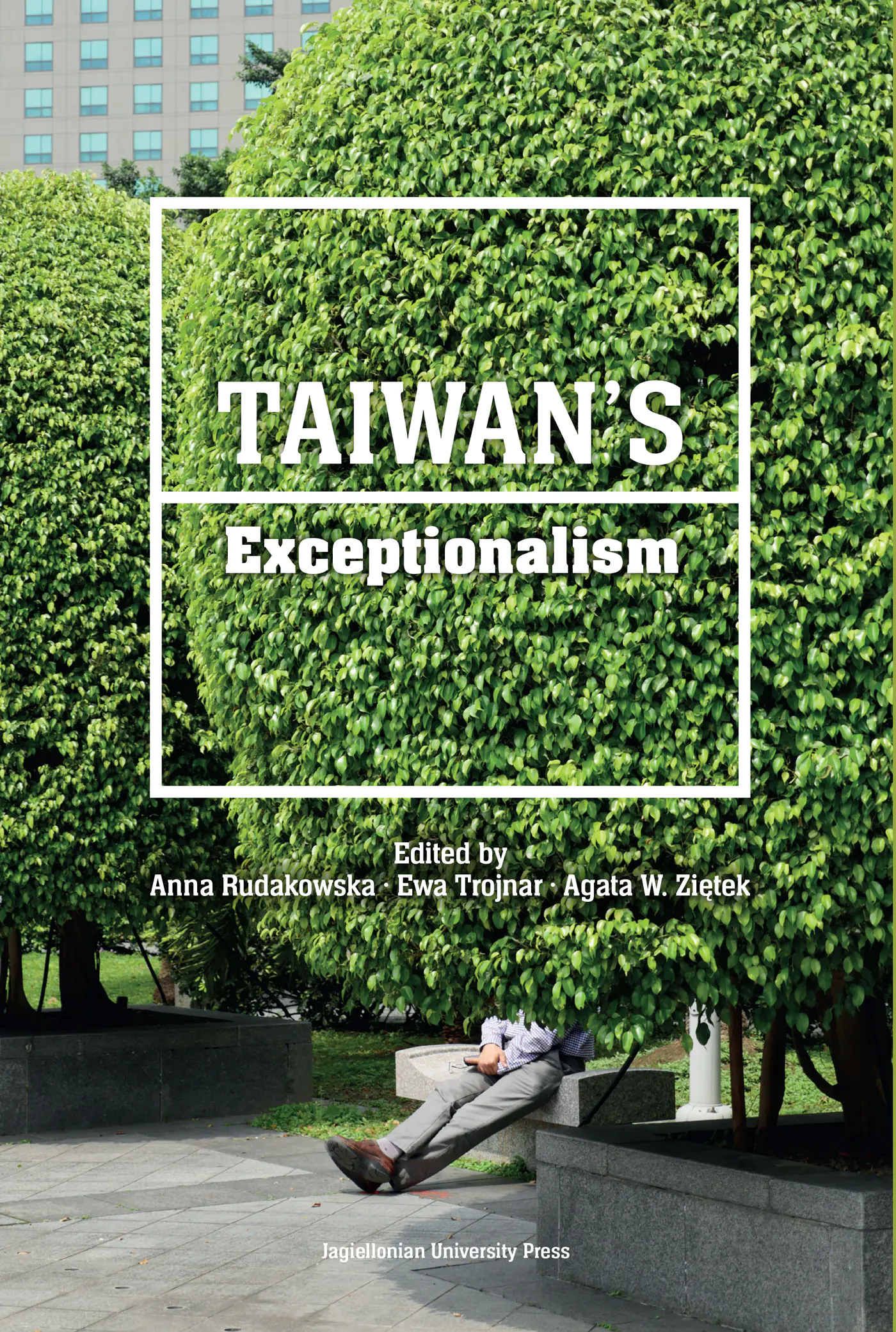
Taiwan’s Exceptionalism
Masz tę lub inne książki?
Sprzedaj je u nas

When examining the political world map, it's evident that nearly all territories fall within the jurisdiction of a state. Unlike physical divisions such as valleys carved out between mountain ranges, these geopolitical boundaries are human constructs—imaginary and often arbitrary. This nature makes them susceptible to debates and disputes, which are evident in the numerous contested borders globally. Moreover, some nations remain unrecognized or only partially acknowledged. The recognition of sovereign status is contingent upon other countries' political decisions, which, despite addressing these imaginary separations, wield significant real-world impacts. A country that lacks recognition is effectively excluded from the community of sovereign states, severely limiting—or even outright preventing—its ability to cooperate with recognized nations. Consequently, such countries must devise innovative strategies for engaging in international relations. This unique position also profoundly affects their domestic politics, citizens' lifestyles, and cultural dynamics.The book in question delves into Taiwan, a notable example of such an entity within the international state system. It analyzes how Taiwan's particular international status shapes its foreign and domestic interactions.
Wybierz stan zużycia:
WIĘCEJ O SKALI
When examining the political world map, it's evident that nearly all territories fall within the jurisdiction of a state. Unlike physical divisions such as valleys carved out between mountain ranges, these geopolitical boundaries are human constructs—imaginary and often arbitrary. This nature makes them susceptible to debates and disputes, which are evident in the numerous contested borders globally. Moreover, some nations remain unrecognized or only partially acknowledged. The recognition of sovereign status is contingent upon other countries' political decisions, which, despite addressing these imaginary separations, wield significant real-world impacts. A country that lacks recognition is effectively excluded from the community of sovereign states, severely limiting—or even outright preventing—its ability to cooperate with recognized nations. Consequently, such countries must devise innovative strategies for engaging in international relations. This unique position also profoundly affects their domestic politics, citizens' lifestyles, and cultural dynamics.The book in question delves into Taiwan, a notable example of such an entity within the international state system. It analyzes how Taiwan's particular international status shapes its foreign and domestic interactions.
Szczegóły
Dane producenta:
Inne książki tych autorów

Podobne produkty
Może Ci się spodobać
Inne książki z tej samej kategorii

Napisz opinię o książce i wygraj nagrodę!
W każdym miesiącu wybieramy najlepsze opinie i nagradzamy recenzentów.
Dowiedz się więcejWartość nagród w tym miesiącu
880 zł
Dodaj swoją opinię
Zaloguj się na swoje konto, aby mieć możliwość dodawania opinii.
Czy chcesz zostawić tylko ocenę?
Dodanie samej oceny o książce nie jest brane pod uwagę podczas losowania nagród. By mieć szansę na otrzymanie nagrody musisz napisać opinię o książce.
Już oceniłeś/zrecenzowałeś te książkę w przeszłości.
Możliwe jest dodanie tylko jednej recenzji do każdej z książek.
Sposoby dostawy
Odbiór w punkcie (7)
InPost Paczkomat 24/7

14,99 zł
DPD Pickup Automaty i Punkty Odbioru

10,49 zł





Dostawa na adres (7)
GLS U Ciebie - Kurier

14,99 zł
Kurier DPD

14,99 zł





Sposoby płatności
Płatność z góry
Przedpłata

Zwykły przelew
