Stan książek
Nasze książki są dokładnie sprawdzone i jasno określamy stan każdej z nich.
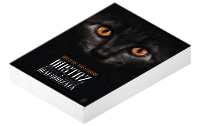

Nowa
Książka nowa.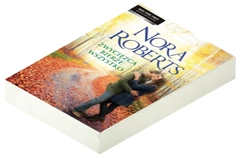
Używany - jak nowa
Niezauważalne lub prawie niezauważalne ślady używania. Książkę ciężko odróżnić od nowej pozycji.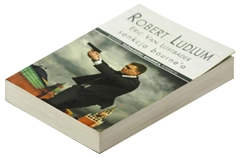
Używany - dobry
Normalne ślady używania wynikające z kartkowania podczas czytania, brak większych uszkodzeń lub zagięć.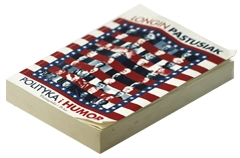
Używany - widoczne ślady użytkowania
zagięte rogi, przyniszczona okładka, książka posiada wszystkie strony.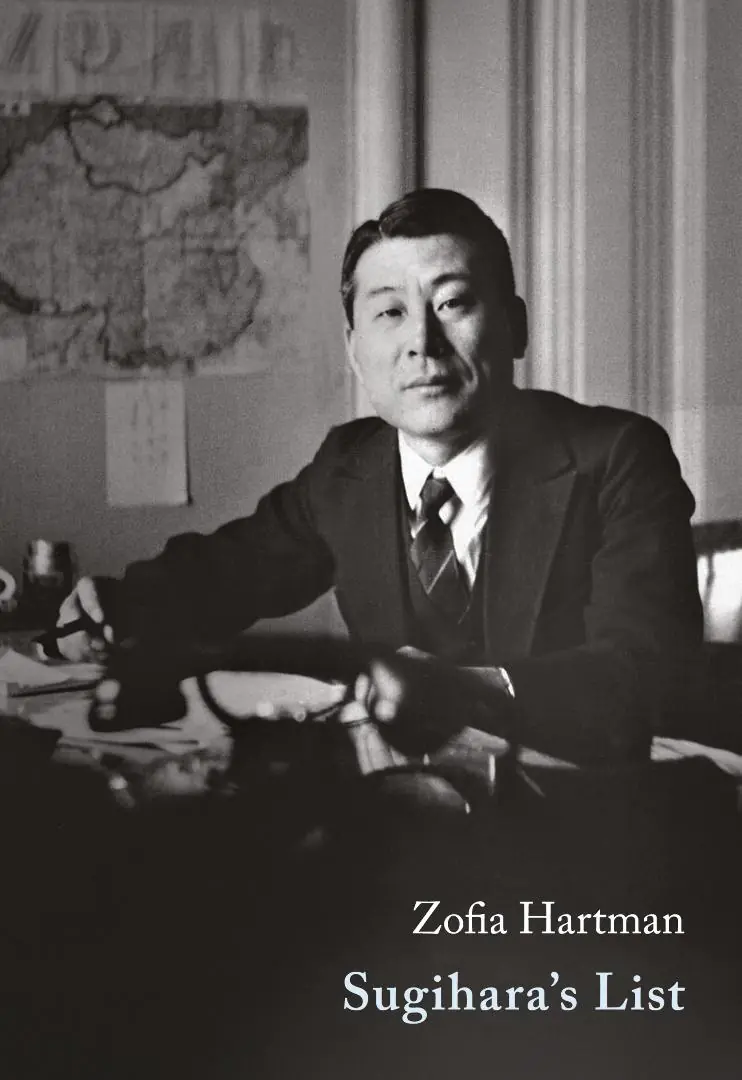
Sugihara`s List
Masz tę lub inne książki?
Sprzedaj je u nas

In my thoughts, I recollect each name and mentally scan through all the faces, from children to grandchildren, and even down to the newest generation, the great-great-grandsons. It’s a sprawling family, a large Israeli clan stretching from Jerusalem to the Negev Desert. I must admit, though, that I don't visit them as often as I used to, and with the great-grandchildren, I can't really say I know them well. Yet, they are there, alive and thriving, all because of our ancestor—my uncle, Zerach Warhaftig. He was a notable Warsaw lawyer who appeared on Sugihara's list, a list that became a beacon of hope. In Kaunas, the Japanese consul, Chiune Sugihara, issued life-saving visas to him, his wife, and their infant son. Along with other refugees, they journeyed across Siberia, found temporary refuge in Japan, and eventually made their way to America. After the war, they settled in Jerusalem. In a pivotal moment in 1948, Zerach Warhaftig signed Israel's declaration of independence. For fifty more years, he devotedly served the country as a politician, lawyer, and academic. He was the first to document the story of Jewish refugees from Kaunas and the heroic efforts of Sugihara, who defied protocol to save lives. Zerach was more than an uncle to me; he was the brother of my grandmother, an influential figure in my life. In his Jerusalem home, I embraced Judaism, Hebrew, and the rich tapestry of Jewish history. His legacy profoundly shaped my career as a translator and lecturer in rabbinic literature. Thus, not only his direct descendants but I too owe a deep gratitude to Chiune Sugihara.
Wybierz stan zużycia:
WIĘCEJ O SKALI
In my thoughts, I recollect each name and mentally scan through all the faces, from children to grandchildren, and even down to the newest generation, the great-great-grandsons. It’s a sprawling family, a large Israeli clan stretching from Jerusalem to the Negev Desert. I must admit, though, that I don't visit them as often as I used to, and with the great-grandchildren, I can't really say I know them well. Yet, they are there, alive and thriving, all because of our ancestor—my uncle, Zerach Warhaftig. He was a notable Warsaw lawyer who appeared on Sugihara's list, a list that became a beacon of hope. In Kaunas, the Japanese consul, Chiune Sugihara, issued life-saving visas to him, his wife, and their infant son. Along with other refugees, they journeyed across Siberia, found temporary refuge in Japan, and eventually made their way to America. After the war, they settled in Jerusalem. In a pivotal moment in 1948, Zerach Warhaftig signed Israel's declaration of independence. For fifty more years, he devotedly served the country as a politician, lawyer, and academic. He was the first to document the story of Jewish refugees from Kaunas and the heroic efforts of Sugihara, who defied protocol to save lives. Zerach was more than an uncle to me; he was the brother of my grandmother, an influential figure in my life. In his Jerusalem home, I embraced Judaism, Hebrew, and the rich tapestry of Jewish history. His legacy profoundly shaped my career as a translator and lecturer in rabbinic literature. Thus, not only his direct descendants but I too owe a deep gratitude to Chiune Sugihara.
Szczegóły
Inne książki: Zofia Hartman

Podobne produkty
Może Ci się spodobać
Inne książki z tej samej kategorii

Napisz opinię o książce i wygraj nagrodę!
W każdym miesiącu wybieramy najlepsze opinie i nagradzamy recenzentów.
Dowiedz się więcejWartość nagród w tym miesiącu
880 zł
Dodaj swoją opinię
Zaloguj się na swoje konto, aby mieć możliwość dodawania opinii.
Czy chcesz zostawić tylko ocenę?
Dodanie samej oceny o książce nie jest brane pod uwagę podczas losowania nagród. By mieć szansę na otrzymanie nagrody musisz napisać opinię o książce.
Już oceniłeś/zrecenzowałeś te książkę w przeszłości.
Możliwe jest dodanie tylko jednej recenzji do każdej z książek.
Sposoby dostawy
Odbiór w punkcie (7)
InPost Paczkomat 24/7

14,99 zł
DPD Pickup Automaty i Punkty Odbioru

10,49 zł





Dostawa na adres (7)
GLS U Ciebie - Kurier

14,99 zł
Kurier DPD

14,99 zł





Sposoby płatności
Płatność z góry
Przedpłata

Zwykły przelew
