Stan książek
Nasze książki są dokładnie sprawdzone i jasno określamy stan każdej z nich.
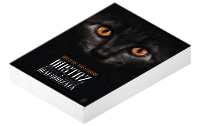

Nowa
Książka nowa.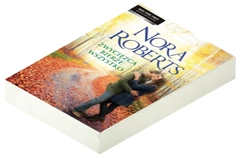
Używany - jak nowa
Niezauważalne lub prawie niezauważalne ślady używania. Książkę ciężko odróżnić od nowej pozycji.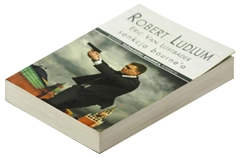
Używany - dobry
Normalne ślady używania wynikające z kartkowania podczas czytania, brak większych uszkodzeń lub zagięć.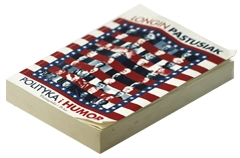
Używany - widoczne ślady użytkowania
zagięte rogi, przyniszczona okładka, książka posiada wszystkie strony.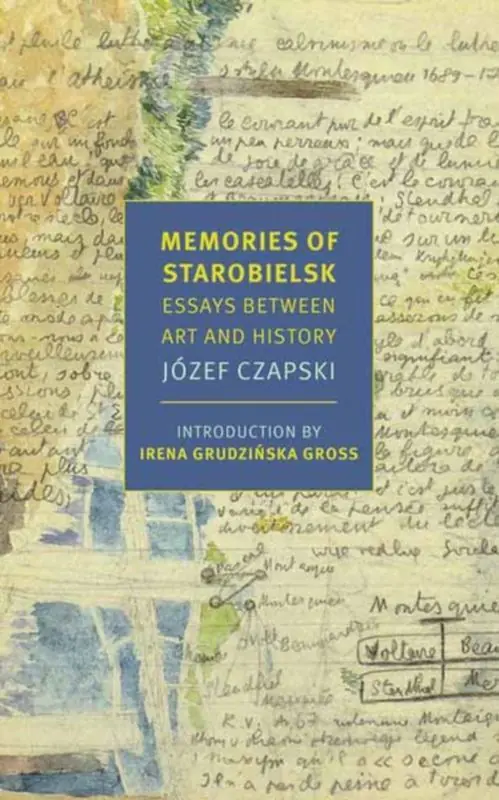
Memories of Starobielsk
Masz tę lub inne książki?
Sprzedaj je u nas

In September 1939, Józef Czapski found himself interned alongside thousands of Polish military officers and a few civilians at the Soviet POW camp in Starobielsk. Remarkably, Czapski was among the few who survived the Katyn Forest massacre of April 1940. Writing while the war still raged, he vividly captured the essence of these doomed individuals, portraying some in detail while others were depicted through vibrant sketches that emanated a profound intimacy and respect. They remained fiercely committed to humane pursuits despite their dire circumstances. Czapski's memoir intertwines with essays on art, history, and literature, reflecting his enduring fascination with the Russian culture that shaped his education. This includes exploring the varied expressions of this culture, from Aleksandr Blok's revolutionary fervor to Chaim Soutine's solitary artistic battles. Notably, his writings feature a series of wartime essays on painting, penned during a train journey from Moscow to the Second Polish Army's base in Central Asia, offering some of his most poignant and lyrical reflections on the world of art.
Wybierz stan zużycia:
WIĘCEJ O SKALI
In September 1939, Józef Czapski found himself interned alongside thousands of Polish military officers and a few civilians at the Soviet POW camp in Starobielsk. Remarkably, Czapski was among the few who survived the Katyn Forest massacre of April 1940. Writing while the war still raged, he vividly captured the essence of these doomed individuals, portraying some in detail while others were depicted through vibrant sketches that emanated a profound intimacy and respect. They remained fiercely committed to humane pursuits despite their dire circumstances. Czapski's memoir intertwines with essays on art, history, and literature, reflecting his enduring fascination with the Russian culture that shaped his education. This includes exploring the varied expressions of this culture, from Aleksandr Blok's revolutionary fervor to Chaim Soutine's solitary artistic battles. Notably, his writings feature a series of wartime essays on painting, penned during a train journey from Moscow to the Second Polish Army's base in Central Asia, offering some of his most poignant and lyrical reflections on the world of art.
Szczegóły
Inne książki: Józef Czapski

Podobne produkty
Może Ci się spodobać
Inne książki z tej samej kategorii

Napisz opinię o książce i wygraj nagrodę!
W każdym miesiącu wybieramy najlepsze opinie i nagradzamy recenzentów.
Dowiedz się więcejWartość nagród w tym miesiącu
880 zł
Dodaj swoją opinię
Zaloguj się na swoje konto, aby mieć możliwość dodawania opinii.
Czy chcesz zostawić tylko ocenę?
Dodanie samej oceny o książce nie jest brane pod uwagę podczas losowania nagród. By mieć szansę na otrzymanie nagrody musisz napisać opinię o książce.
Już oceniłeś/zrecenzowałeś te książkę w przeszłości.
Możliwe jest dodanie tylko jednej recenzji do każdej z książek.
Sposoby dostawy
Odbiór w punkcie (7)
InPost Paczkomat 24/7

14,99 zł
DPD Pickup Automaty i Punkty Odbioru

11,99 zł





Dostawa na adres (7)
GLS U Ciebie - Kurier

14,99 zł
Kurier DPD

14,99 zł





Sposoby płatności
Płatność z góry
Przedpłata

Zwykły przelew
