Stan książek
Nasze książki są dokładnie sprawdzone i jasno określamy stan każdej z nich.


Nowa
Książka nowa.
Używany - jak nowa
Niezauważalne lub prawie niezauważalne ślady używania. Książkę ciężko odróżnić od nowej pozycji.
Używany - dobry
Normalne ślady używania wynikające z kartkowania podczas czytania, brak większych uszkodzeń lub zagięć.
Używany - widoczne ślady użytkowania
zagięte rogi, przyniszczona okładka, książka posiada wszystkie strony.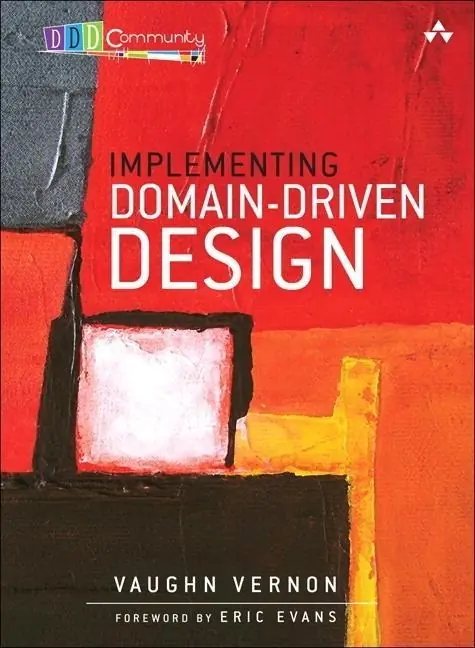
Implementing Domain-Driven Design
Masz tę lub inne książki?
Sprzedaj je u nas

Domain-Driven Design (DDD) provides a modern framework and a shared language for making design choices that enhance project efficiency and adaptability. In "Implementing Domain-Driven Design," Vaughn Vernon expands on the foundational work by Eric Evans. This book aims to simplify the learning process of DDD, helping professionals identify optimal application scenarios and navigate common implementation challenges. Vernon uses practical examples from familiar sectors, such as a Scrum-based project management tool integrated with a collaboration and security platform, to elucidate DDD concepts. Carefully crafted Java examples support each principle, all centered around a comprehensive case study of a firm tasked with creating sophisticated software systems through DDD. By applying the insights from this book, organizations can expedite their market entry while ensuring that their software products remain flexible, scalable, and aligned with business objectives. This resource is invaluable for software experts new to DDD, those who have yet to fully harness its potential, and seasoned DDD practitioners seeking to enhance their effectiveness. The audience will likely comprise software architects, systems analysts, application developers, and project managers.
Wybierz stan zużycia:
WIĘCEJ O SKALI
Domain-Driven Design (DDD) provides a modern framework and a shared language for making design choices that enhance project efficiency and adaptability. In "Implementing Domain-Driven Design," Vaughn Vernon expands on the foundational work by Eric Evans. This book aims to simplify the learning process of DDD, helping professionals identify optimal application scenarios and navigate common implementation challenges. Vernon uses practical examples from familiar sectors, such as a Scrum-based project management tool integrated with a collaboration and security platform, to elucidate DDD concepts. Carefully crafted Java examples support each principle, all centered around a comprehensive case study of a firm tasked with creating sophisticated software systems through DDD. By applying the insights from this book, organizations can expedite their market entry while ensuring that their software products remain flexible, scalable, and aligned with business objectives. This resource is invaluable for software experts new to DDD, those who have yet to fully harness its potential, and seasoned DDD practitioners seeking to enhance their effectiveness. The audience will likely comprise software architects, systems analysts, application developers, and project managers.
Szczegóły
Inne książki: Vaughn Vernon

Podobne produkty
Może Ci się spodobać
Inne książki z tej samej kategorii

Napisz opinię o książce i wygraj nagrodę!
W każdym miesiącu wybieramy najlepsze opinie i nagradzamy recenzentów.
Dowiedz się więcejWartość nagród w tym miesiącu
880 zł
Dodaj swoją opinię
Zaloguj się na swoje konto, aby mieć możliwość dodawania opinii.
Czy chcesz zostawić tylko ocenę?
Dodanie samej oceny o książce nie jest brane pod uwagę podczas losowania nagród. By mieć szansę na otrzymanie nagrody musisz napisać opinię o książce.
Już oceniłeś/zrecenzowałeś te książkę w przeszłości.
Możliwe jest dodanie tylko jednej recenzji do każdej z książek.
Sposoby dostawy
Odbiór w punkcie (6)
InPost Paczkomat 24/7

13,99 zł
ORLEN Paczka

12,99 zł




Dostawa na adres (7)
GLS U Ciebie - Kurier

14,99 zł
Kurier DPD

14,99 zł





Sposoby płatności
Płatność z góry
Przedpłata

Zwykły przelew
