Stan książek
Nasze książki są dokładnie sprawdzone i jasno określamy stan każdej z nich.
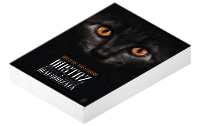

Nowa
Książka nowa.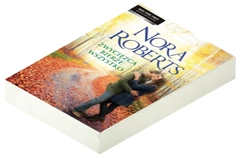
Używany - jak nowa
Niezauważalne lub prawie niezauważalne ślady używania. Książkę ciężko odróżnić od nowej pozycji.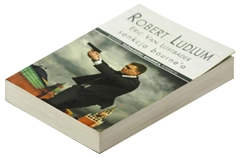
Używany - dobry
Normalne ślady używania wynikające z kartkowania podczas czytania, brak większych uszkodzeń lub zagięć.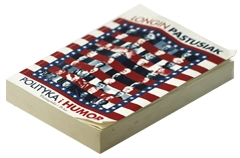
Używany - widoczne ślady użytkowania
zagięte rogi, przyniszczona okładka, książka posiada wszystkie strony.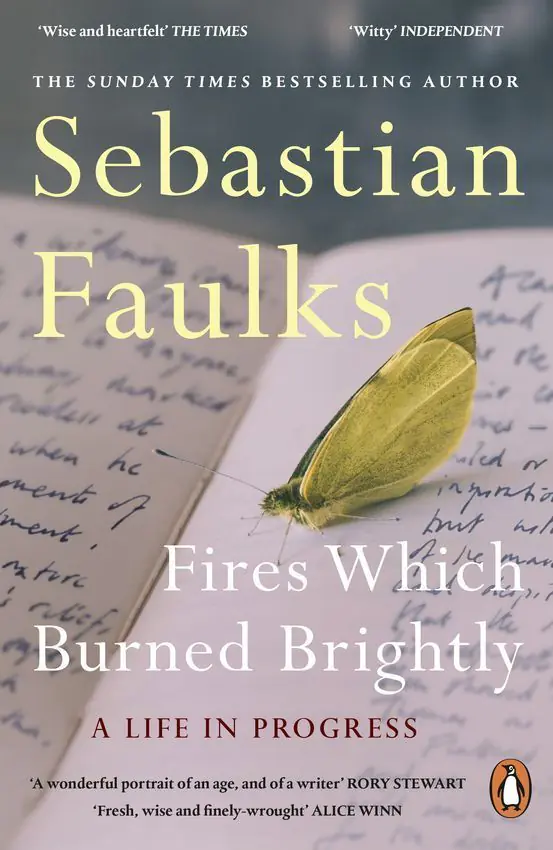
Fires Which Burned Brightly
Masz tę lub inne książki?
Sprzedaj je u nas

The Times has praised it as "a wise and heartfelt piece of writing," while the Independent describes it as "witty." i Paper calls it "wry and reflective," noting its soulful exploration of a life expressed through words. Rory Stewart, author of "Politics on the Edge," describes it as "a wonderful portrait of an age, and of a writer." David Kynaston, author of "A Northern Wind," finds it "utterly fascinating." According to Alice Winn, author of "In Memoriam," it's "shot through with the kind of depth and detail that can only come from a masterful writer finally turning his pen to his own life. Fresh, wise, and finely-wrought." Mark Knopfler notes that Sebastian Faulks is as charming and humorous in schoolboy tales as he is thought-provoking in the more somber aspects of mental health, showing himself to be consistently resonant, civilized, and rational.In "Fires Which Burned Brightly," Faulks, who is initially hesitant to write a memoir, offers readers a vivid collection of life's moments as they unfold. These include recollections from a rural childhood in the post-war era, marked by the imagery of "cold mutton and wet washing on a rack over the range," the indulgent days of Fleet Street’s peak, and a celebrated career in literature. The narrative features not just one, but two daring escapes from boarding school, the surreal experience of an American book tour plagued by jetlag, and the creation of "Birdsong" at his brother's house in 1992. The book also recounts memorable journeys to France and thoughtfully examines politics, psychiatry, and unfulfilled forays into entertainment, all with patient, rueful humor.A central theme is the pursuit to "arrive where we started and know the place for the first time." The memoir concludes with a heartfelt homage to Faulks’s parents, reflecting on how his generation was shaped by the tumultuous impacts of war and its subsequent repercussions. "Fires Which Burned Brightly" is a perceptive work, imbued with generous wit, demonstrating subtle yet profound intelligence and warmth.Praise for Sebastian Faulks is widespread; The Sunday Times acknowledges his "great emotional authority," while The New York Times regards him as "a prodigiously talented writer." The Financial Times asserts his mastery, and The Sunday Telegraph considers him "the most impressive novelist of his generation."
Wybierz stan zużycia:
WIĘCEJ O SKALI
The Times has praised it as "a wise and heartfelt piece of writing," while the Independent describes it as "witty." i Paper calls it "wry and reflective," noting its soulful exploration of a life expressed through words. Rory Stewart, author of "Politics on the Edge," describes it as "a wonderful portrait of an age, and of a writer." David Kynaston, author of "A Northern Wind," finds it "utterly fascinating." According to Alice Winn, author of "In Memoriam," it's "shot through with the kind of depth and detail that can only come from a masterful writer finally turning his pen to his own life. Fresh, wise, and finely-wrought." Mark Knopfler notes that Sebastian Faulks is as charming and humorous in schoolboy tales as he is thought-provoking in the more somber aspects of mental health, showing himself to be consistently resonant, civilized, and rational.In "Fires Which Burned Brightly," Faulks, who is initially hesitant to write a memoir, offers readers a vivid collection of life's moments as they unfold. These include recollections from a rural childhood in the post-war era, marked by the imagery of "cold mutton and wet washing on a rack over the range," the indulgent days of Fleet Street’s peak, and a celebrated career in literature. The narrative features not just one, but two daring escapes from boarding school, the surreal experience of an American book tour plagued by jetlag, and the creation of "Birdsong" at his brother's house in 1992. The book also recounts memorable journeys to France and thoughtfully examines politics, psychiatry, and unfulfilled forays into entertainment, all with patient, rueful humor.A central theme is the pursuit to "arrive where we started and know the place for the first time." The memoir concludes with a heartfelt homage to Faulks’s parents, reflecting on how his generation was shaped by the tumultuous impacts of war and its subsequent repercussions. "Fires Which Burned Brightly" is a perceptive work, imbued with generous wit, demonstrating subtle yet profound intelligence and warmth.Praise for Sebastian Faulks is widespread; The Sunday Times acknowledges his "great emotional authority," while The New York Times regards him as "a prodigiously talented writer." The Financial Times asserts his mastery, and The Sunday Telegraph considers him "the most impressive novelist of his generation."
Szczegóły
Inne książki: Sebastian Faulks

Podobne produkty
Może Ci się spodobać
Inne książki z tej samej kategorii

Napisz opinię o książce i wygraj nagrodę!
W każdym miesiącu wybieramy najlepsze opinie i nagradzamy recenzentów.
Dowiedz się więcejWartość nagród w tym miesiącu
880 zł
Dodaj swoją opinię
Zaloguj się na swoje konto, aby mieć możliwość dodawania opinii.
Czy chcesz zostawić tylko ocenę?
Dodanie samej oceny o książce nie jest brane pod uwagę podczas losowania nagród. By mieć szansę na otrzymanie nagrody musisz napisać opinię o książce.
Już oceniłeś/zrecenzowałeś te książkę w przeszłości.
Możliwe jest dodanie tylko jednej recenzji do każdej z książek.
Sposoby dostawy
Odbiór w punkcie (7)
InPost Paczkomat 24/7

14,99 zł
DPD Pickup Automaty i Punkty Odbioru

10,49 zł





Dostawa na adres (7)
GLS U Ciebie - Kurier

14,99 zł
Kurier DPD

14,99 zł





Sposoby płatności
Płatność z góry
Przedpłata

Zwykły przelew
