Stan książek
Nasze książki są dokładnie sprawdzone i jasno określamy stan każdej z nich.


Nowa
Książka nowa.
Używany - jak nowa
Niezauważalne lub prawie niezauważalne ślady używania. Książkę ciężko odróżnić od nowej pozycji.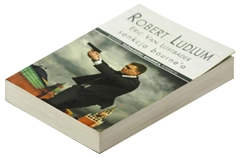
Używany - dobry
Normalne ślady używania wynikające z kartkowania podczas czytania, brak większych uszkodzeń lub zagięć.
Używany - widoczne ślady użytkowania
zagięte rogi, przyniszczona okładka, książka posiada wszystkie strony.
Filterworld
Masz tę lub inne książki?
Sprzedaj je u nas

Kyle Chayka, a staff writer for the New Yorker and author of "The Longing for Less," delivers a provocative exploration of a world dominated by algorithms in his anticipated book, "Filterworld: How Algorithms Flattened Culture." Chayka's work delves into the pervasive influence of algorithms on our cultural landscape, challenging us to consider the essence of taste and aesthetics in an era where digital realities homogenize our experiences.From the way we choose restaurants and navigate city streets to the tailored content we encounter on platforms like TikTok and Netflix, algorithms quietly steer our decisions. This technological fabric is woven into our daily lives, from neon-lit Internet cafes in various cities to Airbnb interiors. Over recent years, this subtle yet relentless algorithmic infiltration has influenced our music choices and social interactions, resulting in a monotonous routine we're barely conscious of.Chayka refers to this phenomenon as "Filterworld," illustrating how both our virtual and physical environments have been optimized for consumption, often at the expense of authentic human experience. As tech companies refine these algorithms to predict user preferences—frequently missing the mark—they foster a passive consumer mindset. This automated curation raises fundamental questions about free will, as our actions and emotions become commodified.In "Filterworld," Chayka examines the insidious spread of algorithm-driven decision-making across digital, physical, and mental domains. As algorithms progressively shape not only what culture we consume but also what is created, critical concerns emerge: What ensues when convenience trumps creativity and innovation? Can we truly make choices when they are pre-programmed for us? Is genuine personal freedom attainable online?Ultimately, Chayka posits that while escaping Filterworld is feasible, gaining the upper hand requires a deep understanding of how these systems operate and influence us.
Wybierz stan zużycia:
WIĘCEJ O SKALI
Kyle Chayka, a staff writer for the New Yorker and author of "The Longing for Less," delivers a provocative exploration of a world dominated by algorithms in his anticipated book, "Filterworld: How Algorithms Flattened Culture." Chayka's work delves into the pervasive influence of algorithms on our cultural landscape, challenging us to consider the essence of taste and aesthetics in an era where digital realities homogenize our experiences.From the way we choose restaurants and navigate city streets to the tailored content we encounter on platforms like TikTok and Netflix, algorithms quietly steer our decisions. This technological fabric is woven into our daily lives, from neon-lit Internet cafes in various cities to Airbnb interiors. Over recent years, this subtle yet relentless algorithmic infiltration has influenced our music choices and social interactions, resulting in a monotonous routine we're barely conscious of.Chayka refers to this phenomenon as "Filterworld," illustrating how both our virtual and physical environments have been optimized for consumption, often at the expense of authentic human experience. As tech companies refine these algorithms to predict user preferences—frequently missing the mark—they foster a passive consumer mindset. This automated curation raises fundamental questions about free will, as our actions and emotions become commodified.In "Filterworld," Chayka examines the insidious spread of algorithm-driven decision-making across digital, physical, and mental domains. As algorithms progressively shape not only what culture we consume but also what is created, critical concerns emerge: What ensues when convenience trumps creativity and innovation? Can we truly make choices when they are pre-programmed for us? Is genuine personal freedom attainable online?Ultimately, Chayka posits that while escaping Filterworld is feasible, gaining the upper hand requires a deep understanding of how these systems operate and influence us.
Inne książki: Kyle Chayka

Podobne produkty
Może Ci się spodobać
Inne książki z tej samej kategorii

Napisz opinię o książce i wygraj nagrodę!
W każdym miesiącu wybieramy najlepsze opinie i nagradzamy recenzentów.
Dowiedz się więcejWartość nagród w tym miesiącu
880 zł
Dodaj swoją opinię
Zaloguj się na swoje konto, aby mieć możliwość dodawania opinii.
Czy chcesz zostawić tylko ocenę?
Dodanie samej oceny o książce nie jest brane pod uwagę podczas losowania nagród. By mieć szansę na otrzymanie nagrody musisz napisać opinię o książce.
Już oceniłeś/zrecenzowałeś te książkę w przeszłości.
Możliwe jest dodanie tylko jednej recenzji do każdej z książek.
Sposoby dostawy
Odbiór w punkcie (7)
InPost Paczkomat 24/7

14,99 zł
DPD Pickup Automaty i Punkty Odbioru

10,49 zł




Dostawa na adres (7)
GLS U Ciebie - Kurier

14,99 zł
Kurier DPD

14,99 zł





Sposoby płatności
Płatność z góry
Przedpłata

Zwykły przelew
