Stan książek
Nasze książki są dokładnie sprawdzone i jasno określamy stan każdej z nich.
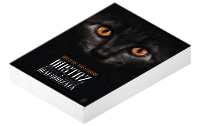

Nowa
Książka nowa.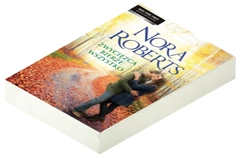
Używany - jak nowa
Niezauważalne lub prawie niezauważalne ślady używania. Książkę ciężko odróżnić od nowej pozycji.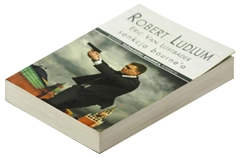
Używany - dobry
Normalne ślady używania wynikające z kartkowania podczas czytania, brak większych uszkodzeń lub zagięć.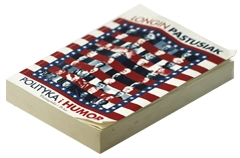
Używany - widoczne ślady użytkowania
zagięte rogi, przyniszczona okładka, książka posiada wszystkie strony.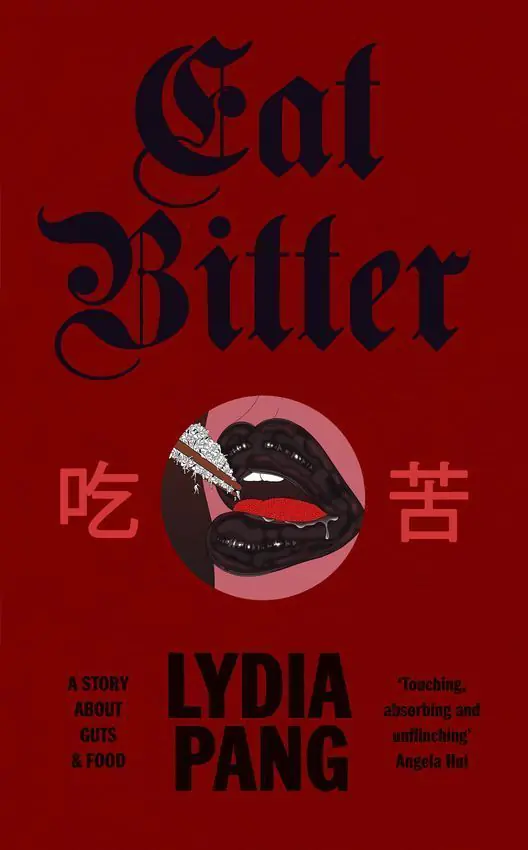
Eat Bitter
Masz tę lub inne książki?
Sprzedaj je u nas

In her evocative and unyielding exploration, Lydia Pang delves into the Chinese proverb 'Eat bitter,' which translates to enduring difficulties to eventually taste sweetness. This concept resonates deeply with Pang, reflecting the resilience of her Hakka ancestors, who, despite being a persecuted Chinese ethnic minority, developed a rich culinary tradition based on fermentation and foraging. Pang adapts this notion of 'eating bitter' as a personal guide to navigate her own life hurdles such as professional burnout, marital pressures, fertility issues, and parental care. Through a collection of eight meaningful recipes, she weaves together food, memory, and healing. Highlights include the comforting egg noodles her father made during her sister’s sickness, the nourishing bone broth she turned to while feeling lonely in New York, and the homegrown courgettes in rural Wales representing familial ties. "Eat Bitter" serves as a brave and insightful journey through food and emotions, appealing to readers who appreciate works like "Crying in H Mart," "Butter," and "Midnight Chicken."
Wybierz stan zużycia:
WIĘCEJ O SKALI
In her evocative and unyielding exploration, Lydia Pang delves into the Chinese proverb 'Eat bitter,' which translates to enduring difficulties to eventually taste sweetness. This concept resonates deeply with Pang, reflecting the resilience of her Hakka ancestors, who, despite being a persecuted Chinese ethnic minority, developed a rich culinary tradition based on fermentation and foraging. Pang adapts this notion of 'eating bitter' as a personal guide to navigate her own life hurdles such as professional burnout, marital pressures, fertility issues, and parental care. Through a collection of eight meaningful recipes, she weaves together food, memory, and healing. Highlights include the comforting egg noodles her father made during her sister’s sickness, the nourishing bone broth she turned to while feeling lonely in New York, and the homegrown courgettes in rural Wales representing familial ties. "Eat Bitter" serves as a brave and insightful journey through food and emotions, appealing to readers who appreciate works like "Crying in H Mart," "Butter," and "Midnight Chicken."
Szczegóły
Inne książki: Lydia Pang

Podobne produkty
Może Ci się spodobać
Inne książki z tej samej kategorii

Napisz opinię o książce i wygraj nagrodę!
W każdym miesiącu wybieramy najlepsze opinie i nagradzamy recenzentów.
Dowiedz się więcejWartość nagród w tym miesiącu
880 zł
Dodaj swoją opinię
Zaloguj się na swoje konto, aby mieć możliwość dodawania opinii.
Czy chcesz zostawić tylko ocenę?
Dodanie samej oceny o książce nie jest brane pod uwagę podczas losowania nagród. By mieć szansę na otrzymanie nagrody musisz napisać opinię o książce.
Już oceniłeś/zrecenzowałeś te książkę w przeszłości.
Możliwe jest dodanie tylko jednej recenzji do każdej z książek.
Sposoby dostawy
Odbiór w punkcie (7)
InPost Paczkomat 24/7

14,99 zł
DPD Pickup Automaty i Punkty Odbioru

10,49 zł





Dostawa na adres (7)
GLS U Ciebie - Kurier

14,99 zł
Kurier DPD

14,99 zł





Sposoby płatności
Płatność z góry
Przedpłata

Zwykły przelew
