Stan książek
Nasze książki są dokładnie sprawdzone i jasno określamy stan każdej z nich.
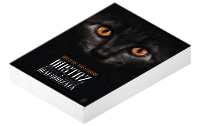

Nowa
Książka nowa.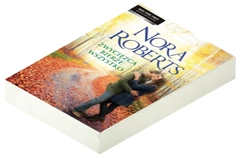
Używany - jak nowa
Niezauważalne lub prawie niezauważalne ślady używania. Książkę ciężko odróżnić od nowej pozycji.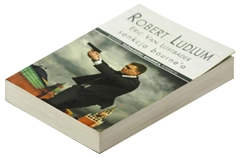
Używany - dobry
Normalne ślady używania wynikające z kartkowania podczas czytania, brak większych uszkodzeń lub zagięć.
Używany - widoczne ślady użytkowania
zagięte rogi, przyniszczona okładka, książka posiada wszystkie strony.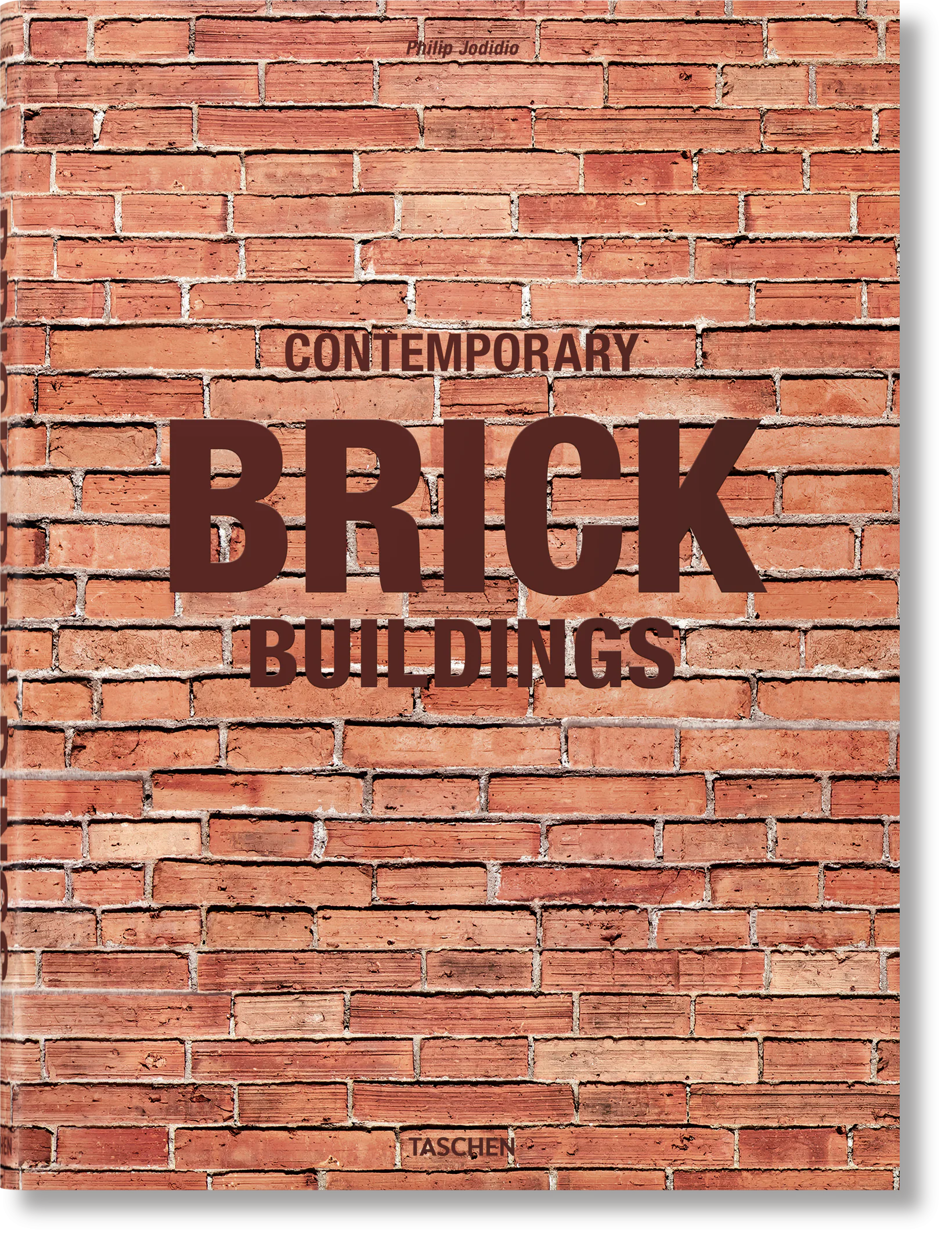
Contemporary Brick Buildings
Masz tę lub inne książki?
Sprzedaj je u nas

Brick is one of the most resilient and widely used building materials worldwide, with its origins tracing back to 7500 BC. Fired bricks were first utilized around 3500 BC and have since become a fundamental element in modern architecture across diverse regions such as China and the Netherlands. Known for being cost-effective, adaptable, and environmentally friendly, brick continues to inspire architects globally. Over the past 35 years, a remarkable collection of innovative brick structures has emerged from places as varied as Paraguay and New Zealand. This extensive exploration features both emerging architects like Sanchit Arora from RENESA and renowned figures such as Renzo Piano and Peter Zumthor. Among the highlighted structures are the Tate Modern Switch House in London, designed by Herzog & de Meuron, D'Houndt + Bajart's Boa School Restaurant in Lille-Lomme, and the Maternity Waiting Village by MASS Design in Kasungu, Malawi. These buildings demonstrate the versatile applications of brick in cultural, domestic, infrastructure, and recreational settings.
Wybierz stan zużycia:
WIĘCEJ O SKALI
Brick is one of the most resilient and widely used building materials worldwide, with its origins tracing back to 7500 BC. Fired bricks were first utilized around 3500 BC and have since become a fundamental element in modern architecture across diverse regions such as China and the Netherlands. Known for being cost-effective, adaptable, and environmentally friendly, brick continues to inspire architects globally. Over the past 35 years, a remarkable collection of innovative brick structures has emerged from places as varied as Paraguay and New Zealand. This extensive exploration features both emerging architects like Sanchit Arora from RENESA and renowned figures such as Renzo Piano and Peter Zumthor. Among the highlighted structures are the Tate Modern Switch House in London, designed by Herzog & de Meuron, D'Houndt + Bajart's Boa School Restaurant in Lille-Lomme, and the Maternity Waiting Village by MASS Design in Kasungu, Malawi. These buildings demonstrate the versatile applications of brick in cultural, domestic, infrastructure, and recreational settings.
Szczegóły
Inne książki: Philip Jodidio

Podobne produkty
Może Ci się spodobać
Inne książki z tej samej kategorii

Napisz opinię o książce i wygraj nagrodę!
W każdym miesiącu wybieramy najlepsze opinie i nagradzamy recenzentów.
Dowiedz się więcejWartość nagród w tym miesiącu
880 zł
Dodaj swoją opinię
Zaloguj się na swoje konto, aby mieć możliwość dodawania opinii.
Czy chcesz zostawić tylko ocenę?
Dodanie samej oceny o książce nie jest brane pod uwagę podczas losowania nagród. By mieć szansę na otrzymanie nagrody musisz napisać opinię o książce.
Już oceniłeś/zrecenzowałeś te książkę w przeszłości.
Możliwe jest dodanie tylko jednej recenzji do każdej z książek.
Sposoby dostawy
Odbiór w punkcie (6)
InPost Paczkomat 24/7

13,99 zł
ORLEN Paczka

12,99 zł




Dostawa na adres (7)
GLS U Ciebie - Kurier

14,99 zł
Kurier DPD

14,99 zł





Sposoby płatności
Płatność z góry
Przedpłata

Zwykły przelew
