Stan książek
Nasze książki są dokładnie sprawdzone i jasno określamy stan każdej z nich.


Nowa
Książka nowa.
Używany - jak nowa
Niezauważalne lub prawie niezauważalne ślady używania. Książkę ciężko odróżnić od nowej pozycji.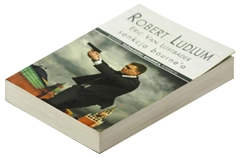
Używany - dobry
Normalne ślady używania wynikające z kartkowania podczas czytania, brak większych uszkodzeń lub zagięć.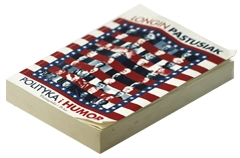
Używany - widoczne ślady użytkowania
zagięte rogi, przyniszczona okładka, książka posiada wszystkie strony.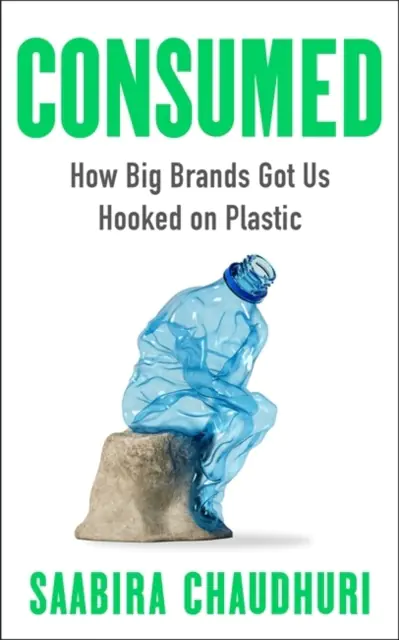
Consumed. How Big Brands Got Us Hooked on Plastic wer. angielska
Masz tę lub inne książki?
Sprzedaj je u nas

Chris Van Tulleken, the bestselling author of "Ultra-Processed People," claims this book has the potential to reshape our perspectives and the world itself. Financial Times applauds Chaudhuri's in-depth exploration of how plastics have permeated our lives and our repeated unsuccessful efforts to control their impact. Michael Moss, Pulitzer Prize-winning author of "Salt, Sugar, Fat," deems it essential reading for anyone purchasing plastic products. It’s described by Mike Berners-Lee, author of "A Climate of Truth," as eye-opening, engaging, and thorough. Hugh Fearnley-Whittingstall, co-host of "War on Plastic with Anita and Hugh," finds it both alarming and brilliantly entertaining.Over the last seven decades, companies like McDonald's, Coca-Cola, Procter & Gamble, and Unilever have significantly boosted their profits through single-use plastics. They have invested substantial sums into convincing consumers of the necessity for disposable items like diapers, cups, and food packaging. This shift didn't result from public demand but has significantly reshaped our daily routines. Just consider the extended use of disposable diapers, the surge in bottled water consumption, and our growing reliance on convenient packaged snacks and coffees. Initially, we controlled plastics, but gradually, plastics came to dictate our behavior.Our dependency on plastic, much like an addiction, carries burdensome consequences. It adversely affects our climate and biodiversity while posing emerging concerns for human health. The question arises: How did plastics gain dominance over our lives, and why is it so challenging to mitigate their influence? "Consumed" investigates these issues, empowering us to make wiser future choices. By understanding this historical context, we can reject ineffective solutions and hold accountable those brands that initially enticed us into plastic dependency. Adam Alter, bestselling author of "Irresistible" and "Anatomy of a Breakthrough," calls this a critical and compelling read.
Wybierz stan zużycia:
WIĘCEJ O SKALI
Chris Van Tulleken, the bestselling author of "Ultra-Processed People," claims this book has the potential to reshape our perspectives and the world itself. Financial Times applauds Chaudhuri's in-depth exploration of how plastics have permeated our lives and our repeated unsuccessful efforts to control their impact. Michael Moss, Pulitzer Prize-winning author of "Salt, Sugar, Fat," deems it essential reading for anyone purchasing plastic products. It’s described by Mike Berners-Lee, author of "A Climate of Truth," as eye-opening, engaging, and thorough. Hugh Fearnley-Whittingstall, co-host of "War on Plastic with Anita and Hugh," finds it both alarming and brilliantly entertaining.Over the last seven decades, companies like McDonald's, Coca-Cola, Procter & Gamble, and Unilever have significantly boosted their profits through single-use plastics. They have invested substantial sums into convincing consumers of the necessity for disposable items like diapers, cups, and food packaging. This shift didn't result from public demand but has significantly reshaped our daily routines. Just consider the extended use of disposable diapers, the surge in bottled water consumption, and our growing reliance on convenient packaged snacks and coffees. Initially, we controlled plastics, but gradually, plastics came to dictate our behavior.Our dependency on plastic, much like an addiction, carries burdensome consequences. It adversely affects our climate and biodiversity while posing emerging concerns for human health. The question arises: How did plastics gain dominance over our lives, and why is it so challenging to mitigate their influence? "Consumed" investigates these issues, empowering us to make wiser future choices. By understanding this historical context, we can reject ineffective solutions and hold accountable those brands that initially enticed us into plastic dependency. Adam Alter, bestselling author of "Irresistible" and "Anatomy of a Breakthrough," calls this a critical and compelling read.
Szczegóły
Inne książki: Saabira Chaudhuri

Podobne produkty
Może Ci się spodobać
Inne książki z tej samej kategorii

Napisz opinię o książce i wygraj nagrodę!
W każdym miesiącu wybieramy najlepsze opinie i nagradzamy recenzentów.
Dowiedz się więcejWartość nagród w tym miesiącu
880 zł
Dodaj swoją opinię
Zaloguj się na swoje konto, aby mieć możliwość dodawania opinii.
Czy chcesz zostawić tylko ocenę?
Dodanie samej oceny o książce nie jest brane pod uwagę podczas losowania nagród. By mieć szansę na otrzymanie nagrody musisz napisać opinię o książce.
Już oceniłeś/zrecenzowałeś te książkę w przeszłości.
Możliwe jest dodanie tylko jednej recenzji do każdej z książek.
Sposoby dostawy
Odbiór w punkcie (7)
InPost Paczkomat 24/7

14,99 zł
DPD Pickup Automaty i Punkty Odbioru

10,49 zł





Dostawa na adres (7)
GLS U Ciebie - Kurier

14,99 zł
Kurier DPD

14,99 zł





Sposoby płatności
Płatność z góry
Przedpłata

Zwykły przelew
