Stan książek
Nasze książki są dokładnie sprawdzone i jasno określamy stan każdej z nich.
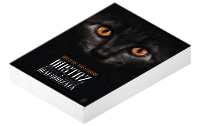

Nowa
Książka nowa.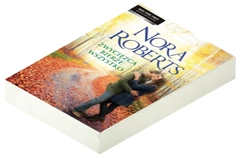
Używany - jak nowa
Niezauważalne lub prawie niezauważalne ślady używania. Książkę ciężko odróżnić od nowej pozycji.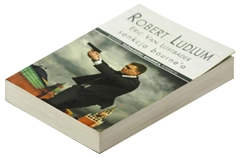
Używany - dobry
Normalne ślady używania wynikające z kartkowania podczas czytania, brak większych uszkodzeń lub zagięć.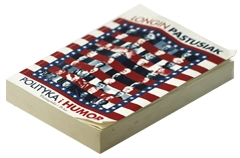
Używany - widoczne ślady użytkowania
zagięte rogi, przyniszczona okładka, książka posiada wszystkie strony.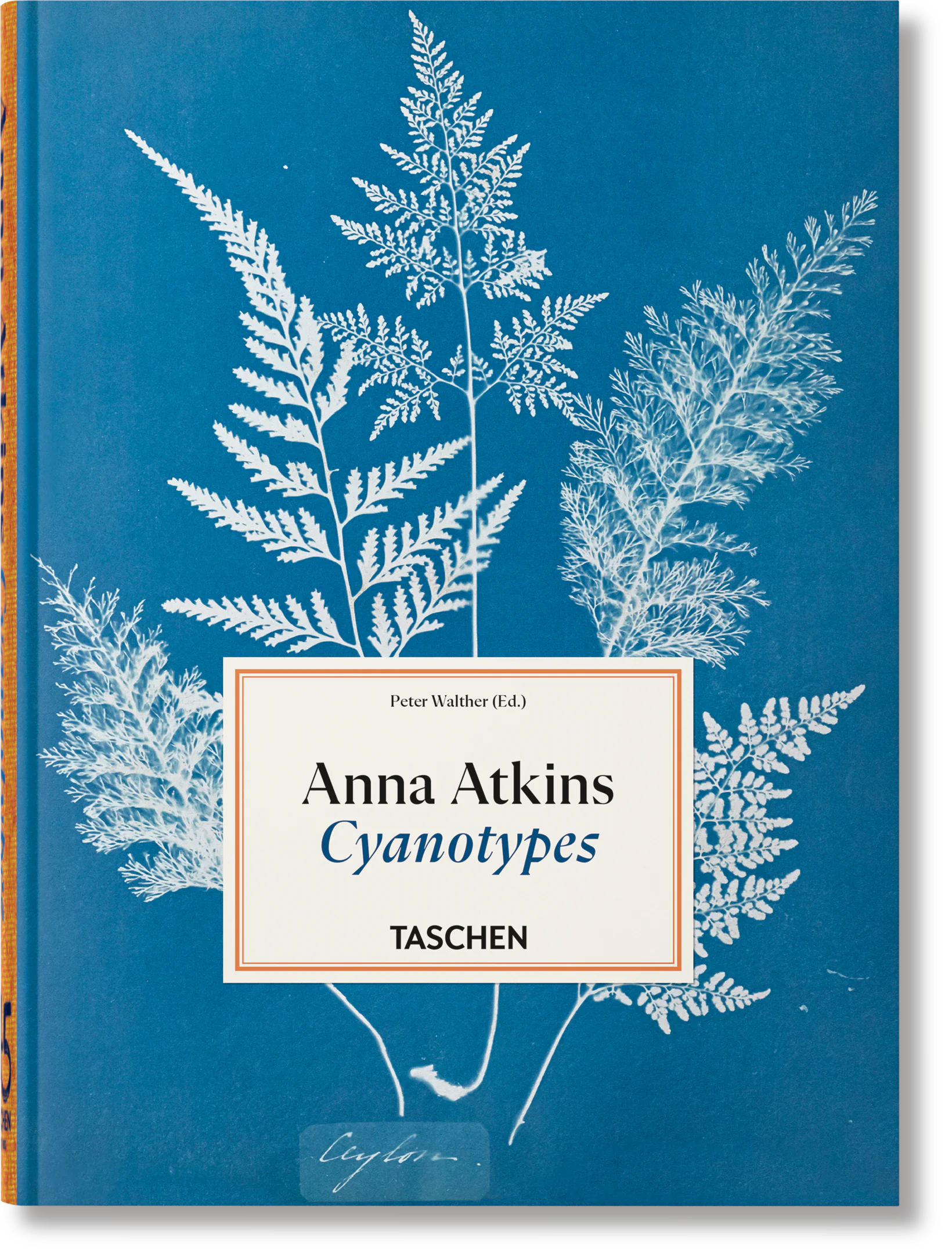
Anna Atkins. Cyanotypes
Masz tę lub inne książki?
Sprzedaj je u nas

In the early 19th century, in Halstead, Kent, Anna Atkins undertook a pioneering project to catalogue botanical specimens using a pioneering artistic technique. She created unparalleled cyanotype photograms of algae and ferns, transforming them into the first books to incorporate photographic images. These albums, which are both visually stunning and scientifically precise, are a testament to the fusion of art and science. Although the cyanotype technique was originally discovered by John Herschel, a close friend of Atkins, she was the first to leverage its practical use for her botanical and taxonomic pursuits as well as its captivating aesthetic possibilities. The method involves placing objects on light-sensitive paper, which then, when exposed to sunlight, turns into the iconic deep blue seen in her works.Atkins' collections, "British Algae" (1843–1853) and "Cyanotypes of British and Foreign Ferns" (1853), the latter co-created with Anne Dixon, are exceptionally rare and exhibit her expertise across various fields. Through the cyanotype process, she achieved precise representation, while the fine outlines of the specimens against a vivid blue background give the images a timeless beauty. This edition, with contributions from the New York Public Library and the J. Paul Getty Museum, carefully reprints her significant works and includes nearly 400 cyanotype impressions. These are accompanied by essays by Peter Walther that contextualize Atkins' achievements within the scientific and artistic landscape of the time, acknowledging her trailblazing role as a woman in both fields.
Wybierz stan zużycia:
WIĘCEJ O SKALI
In the early 19th century, in Halstead, Kent, Anna Atkins undertook a pioneering project to catalogue botanical specimens using a pioneering artistic technique. She created unparalleled cyanotype photograms of algae and ferns, transforming them into the first books to incorporate photographic images. These albums, which are both visually stunning and scientifically precise, are a testament to the fusion of art and science. Although the cyanotype technique was originally discovered by John Herschel, a close friend of Atkins, she was the first to leverage its practical use for her botanical and taxonomic pursuits as well as its captivating aesthetic possibilities. The method involves placing objects on light-sensitive paper, which then, when exposed to sunlight, turns into the iconic deep blue seen in her works.Atkins' collections, "British Algae" (1843–1853) and "Cyanotypes of British and Foreign Ferns" (1853), the latter co-created with Anne Dixon, are exceptionally rare and exhibit her expertise across various fields. Through the cyanotype process, she achieved precise representation, while the fine outlines of the specimens against a vivid blue background give the images a timeless beauty. This edition, with contributions from the New York Public Library and the J. Paul Getty Museum, carefully reprints her significant works and includes nearly 400 cyanotype impressions. These are accompanied by essays by Peter Walther that contextualize Atkins' achievements within the scientific and artistic landscape of the time, acknowledging her trailblazing role as a woman in both fields.
Szczegóły
Inne książki: Walther Peter

Podobne produkty
Może Ci się spodobać
Inne książki z tej samej kategorii

Napisz opinię o książce i wygraj nagrodę!
W każdym miesiącu wybieramy najlepsze opinie i nagradzamy recenzentów.
Dowiedz się więcejWartość nagród w tym miesiącu
880 zł
Dodaj swoją opinię
Zaloguj się na swoje konto, aby mieć możliwość dodawania opinii.
Czy chcesz zostawić tylko ocenę?
Dodanie samej oceny o książce nie jest brane pod uwagę podczas losowania nagród. By mieć szansę na otrzymanie nagrody musisz napisać opinię o książce.
Już oceniłeś/zrecenzowałeś te książkę w przeszłości.
Możliwe jest dodanie tylko jednej recenzji do każdej z książek.
Sposoby dostawy
Odbiór w punkcie (6)
InPost Paczkomat 24/7

13,99 zł
ORLEN Paczka

12,99 zł




Dostawa na adres (7)
GLS U Ciebie - Kurier

14,99 zł
Kurier DPD

14,99 zł





Sposoby płatności
Płatność z góry
Przedpłata

Zwykły przelew
