Stan książek
Nasze książki są dokładnie sprawdzone i jasno określamy stan każdej z nich.
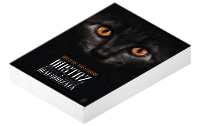

Nowa
Książka nowa.
Używany - jak nowa
Niezauważalne lub prawie niezauważalne ślady używania. Książkę ciężko odróżnić od nowej pozycji.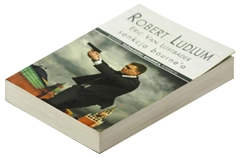
Używany - dobry
Normalne ślady używania wynikające z kartkowania podczas czytania, brak większych uszkodzeń lub zagięć.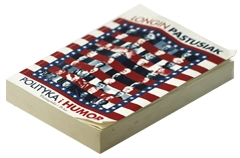
Używany - widoczne ślady użytkowania
zagięte rogi, przyniszczona okładka, książka posiada wszystkie strony.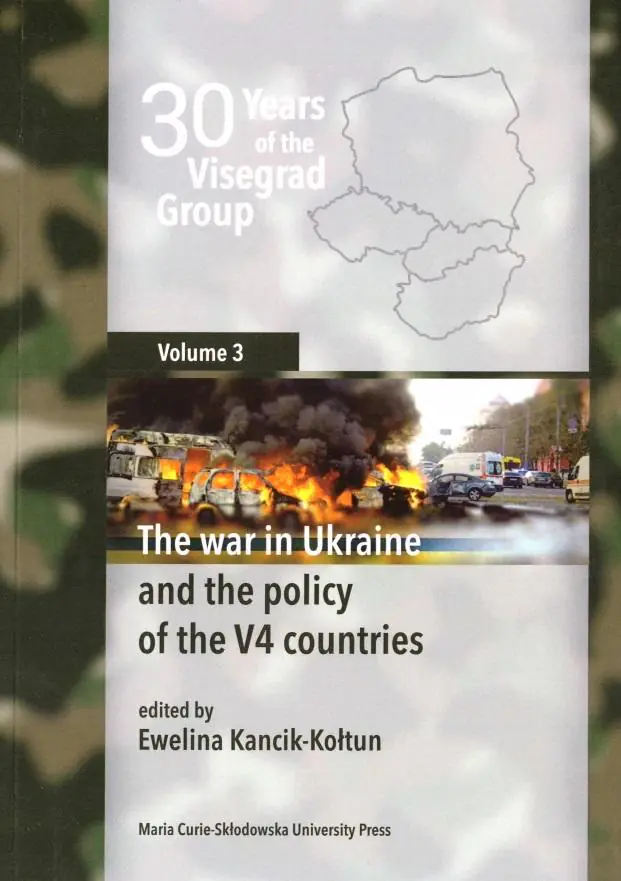
30 Years of the Visegrad Group. Volume 3. The war in Ukraine and the policy of the V4 countries
Masz tę lub inne książki?
Sprzedaj je u nas

The book delves into the significant issue of how the war in Ukraine has influenced the policies of the Visegrad Group countries. This collective work examines various elements of these relationships, such as international relations, asylum policies, aid (including military support), institutional assistance, political debates in parliament, security policies, strategic environments, hybrid threats, and media focus. The diverse range of topics contributes to the book's complex nature. It provides a valuable addition to the existing academic discussions on the regional effects of the war and the political dynamics in East Central Europe. It's particularly useful for those in political science, international relations, security and strategic studies, area studies, and media and communication studies. Additionally, it serves as a resource for policymakers, journalists, and the educational sector, including those involved in diplomatic training. This description is provided by the publisher, including an excerpt from the review by Prof. Miroslav Mareš.
Wybierz stan zużycia:
WIĘCEJ O SKALI
The book delves into the significant issue of how the war in Ukraine has influenced the policies of the Visegrad Group countries. This collective work examines various elements of these relationships, such as international relations, asylum policies, aid (including military support), institutional assistance, political debates in parliament, security policies, strategic environments, hybrid threats, and media focus. The diverse range of topics contributes to the book's complex nature. It provides a valuable addition to the existing academic discussions on the regional effects of the war and the political dynamics in East Central Europe. It's particularly useful for those in political science, international relations, security and strategic studies, area studies, and media and communication studies. Additionally, it serves as a resource for policymakers, journalists, and the educational sector, including those involved in diplomatic training. This description is provided by the publisher, including an excerpt from the review by Prof. Miroslav Mareš.
Szczegóły
Inne książki tych autorów

Podobne produkty
Może Ci się spodobać
Inne książki z tej samej kategorii

Napisz opinię o książce i wygraj nagrodę!
W każdym miesiącu wybieramy najlepsze opinie i nagradzamy recenzentów.
Dowiedz się więcejWartość nagród w tym miesiącu
880 zł
Dodaj swoją opinię
Zaloguj się na swoje konto, aby mieć możliwość dodawania opinii.
Czy chcesz zostawić tylko ocenę?
Dodanie samej oceny o książce nie jest brane pod uwagę podczas losowania nagród. By mieć szansę na otrzymanie nagrody musisz napisać opinię o książce.
Już oceniłeś/zrecenzowałeś te książkę w przeszłości.
Możliwe jest dodanie tylko jednej recenzji do każdej z książek.
Sposoby dostawy
Odbiór w punkcie (6)
InPost Paczkomat 24/7

13,99 zł
ORLEN Paczka

12,99 zł



Dostawa na adres (7)
GLS U Ciebie - Kurier

14,99 zł
Kurier DPD

14,99 zł





Sposoby płatności
Płatność z góry
Przedpłata

Zwykły przelew
