Stan książek
Nasze książki są dokładnie sprawdzone i jasno określamy stan każdej z nich.


Nowa
Książka nowa.
Używany - jak nowa
Niezauważalne lub prawie niezauważalne ślady używania. Książkę ciężko odróżnić od nowej pozycji.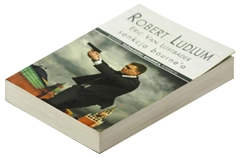
Używany - dobry
Normalne ślady używania wynikające z kartkowania podczas czytania, brak większych uszkodzeń lub zagięć.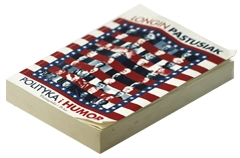
Używany - widoczne ślady użytkowania
zagięte rogi, przyniszczona okładka, książka posiada wszystkie strony.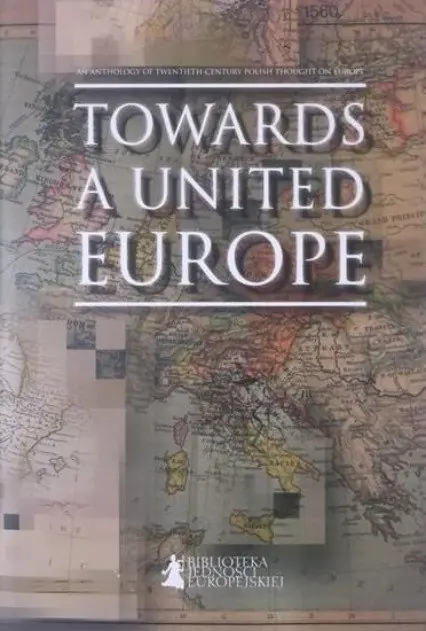
Towards a United Europe
Masz tę lub inne książki?
Sprzedaj je u nas

This compilation features a diverse array of essays that delve into the concept of European unity and the political landscape involving Central and Eastern Europe. Contributions include Marek Maciejewski and Lukasz Machaj discussing the vision of a cohesive Europe, while Aleksander Skrzynski reflects on American democratic ideals in relation to Poland. Aleksander Lednicki examines the idea of a Pan-Europe, and Wladyslaw Leopold Jaworski contemplates a United States of Europe. Adolf Bochenski addresses the political challenges facing a Central European federation. Feliks Gross looks into the future of Europe after the war, and Piotr Wandycz explores the role of international organizations within the federal movement. Jozef Czapski shares insights on European unity from Berlin, and Jan Emil Skiwski emphasizes European solidarity. Juliusz Mieroszewski writes about the International European Brigade, and Edward Raczynski debates between Europeanism and regionalism. Rowmund Pilsudski presents the Polish federal program, Zbigniew Jordan considers the balance between independence and federalism, and Oskar Halecki traces the historical context of federalism in East Central Europe. Aleksander Bregman discusses Poland's place in the evolving European landscape, while Zdzislaw Najder reflects on the relationship between Poland and Europe, concluded with remarks from Slawomir Lukasiewicz. This collection also includes an index for reference.
Wybierz stan zużycia:
WIĘCEJ O SKALI
This compilation features a diverse array of essays that delve into the concept of European unity and the political landscape involving Central and Eastern Europe. Contributions include Marek Maciejewski and Lukasz Machaj discussing the vision of a cohesive Europe, while Aleksander Skrzynski reflects on American democratic ideals in relation to Poland. Aleksander Lednicki examines the idea of a Pan-Europe, and Wladyslaw Leopold Jaworski contemplates a United States of Europe. Adolf Bochenski addresses the political challenges facing a Central European federation. Feliks Gross looks into the future of Europe after the war, and Piotr Wandycz explores the role of international organizations within the federal movement. Jozef Czapski shares insights on European unity from Berlin, and Jan Emil Skiwski emphasizes European solidarity. Juliusz Mieroszewski writes about the International European Brigade, and Edward Raczynski debates between Europeanism and regionalism. Rowmund Pilsudski presents the Polish federal program, Zbigniew Jordan considers the balance between independence and federalism, and Oskar Halecki traces the historical context of federalism in East Central Europe. Aleksander Bregman discusses Poland's place in the evolving European landscape, while Zdzislaw Najder reflects on the relationship between Poland and Europe, concluded with remarks from Slawomir Lukasiewicz. This collection also includes an index for reference.
Szczegóły
Inne książki tych autorów

Podobne produkty
Może Ci się spodobać
Inne książki z tej samej kategorii

Napisz opinię o książce i wygraj nagrodę!
W każdym miesiącu wybieramy najlepsze opinie i nagradzamy recenzentów.
Dowiedz się więcejWartość nagród w tym miesiącu
880 zł
Dodaj swoją opinię
Zaloguj się na swoje konto, aby mieć możliwość dodawania opinii.
Czy chcesz zostawić tylko ocenę?
Dodanie samej oceny o książce nie jest brane pod uwagę podczas losowania nagród. By mieć szansę na otrzymanie nagrody musisz napisać opinię o książce.
Już oceniłeś/zrecenzowałeś te książkę w przeszłości.
Możliwe jest dodanie tylko jednej recenzji do każdej z książek.
Sposoby dostawy
Odbiór w punkcie (6)
InPost Paczkomat 24/7

13,99 zł
ORLEN Paczka

12,99 zł



Dostawa na adres (7)
GLS U Ciebie - Kurier

14,99 zł
Kurier DPD

14,99 zł





Sposoby płatności
Płatność z góry
Przedpłata

Zwykły przelew
