Stan książek
Nasze książki są dokładnie sprawdzone i jasno określamy stan każdej z nich.

Nowa
Książka nowa.
Używany - jak nowa
Niezauważalne lub prawie niezauważalne ślady używania. Książkę ciężko odróżnić od nowej pozycji.
Używany - dobry
Normalne ślady używania wynikające z kartkowania podczas czytania, brak większych uszkodzeń lub zagięć.
Używany - widoczne ślady użytkowania
zagięte rogi, przyniszczona okładka, książka posiada wszystkie strony.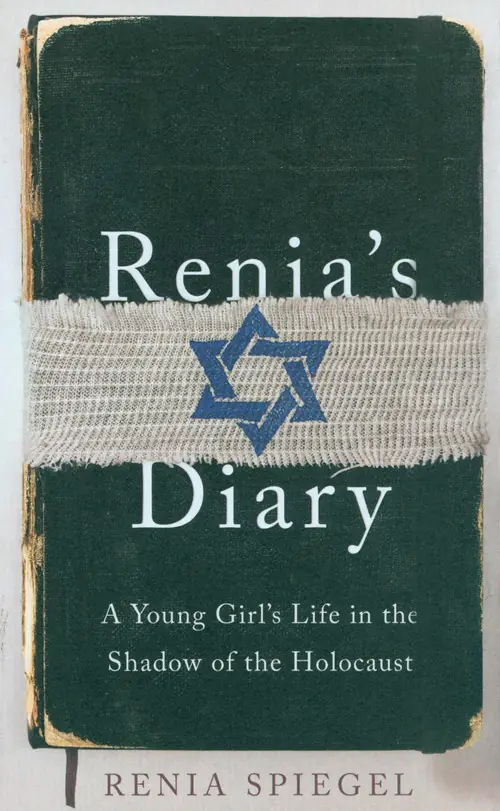
Renia's Diary
Masz tę lub inne książki?
Sprzedaj je u nas

The foreword by Deborah Lipstadt, author of "Denial," highlights a pivotal moment on July 15, 1942. This was the day when a young Jewish girl named Renia was confined to a ghetto, marking a significant and painful change in her life. Living in Poland during the year 1939, Renia's ambition is to become a poet. However, the invasion of Poland by Russia and Germany disrupts her dreams, and she becomes separated from her mother. As Renia navigates the grim realities of war, such as fleeing from air raids and witnessing the disappearance of Jewish families, she also uncovers beauty in her writing and experiences the joy of first love. Her romance with Zygmunt reaches a poignant moment with their first kiss just before the Nazi troops arrive in her town, and it is Zygmunt who pens the final, heart-wrenching words in her diary. After being lost for seventy years, Renia’s Diary has resurfaced and is quickly gaining recognition as an essential piece of Holocaust literature. With clarity akin to Anne Frank's work, the diary serves as a profound testament to the horrors of war and the enduring human spirit amidst adversity.
Wybierz stan zużycia:
WIĘCEJ O SKALI
The foreword by Deborah Lipstadt, author of "Denial," highlights a pivotal moment on July 15, 1942. This was the day when a young Jewish girl named Renia was confined to a ghetto, marking a significant and painful change in her life. Living in Poland during the year 1939, Renia's ambition is to become a poet. However, the invasion of Poland by Russia and Germany disrupts her dreams, and she becomes separated from her mother. As Renia navigates the grim realities of war, such as fleeing from air raids and witnessing the disappearance of Jewish families, she also uncovers beauty in her writing and experiences the joy of first love. Her romance with Zygmunt reaches a poignant moment with their first kiss just before the Nazi troops arrive in her town, and it is Zygmunt who pens the final, heart-wrenching words in her diary. After being lost for seventy years, Renia’s Diary has resurfaced and is quickly gaining recognition as an essential piece of Holocaust literature. With clarity akin to Anne Frank's work, the diary serves as a profound testament to the horrors of war and the enduring human spirit amidst adversity.
Szczegóły
Inne książki: Renia Spiegel

Podobne produkty
Może Ci się spodobać
Inne książki z tej samej kategorii

Napisz opinię o książce i wygraj nagrodę!
W każdym miesiącu wybieramy najlepsze opinie i nagradzamy recenzentów.
Dowiedz się więcejWartość nagród w tym miesiącu
880 zł
Dodaj swoją opinię
Zaloguj się na swoje konto, aby mieć możliwość dodawania opinii.
Czy chcesz zostawić tylko ocenę?
Dodanie samej oceny o książce nie jest brane pod uwagę podczas losowania nagród. By mieć szansę na otrzymanie nagrody musisz napisać opinię o książce.
Już oceniłeś/zrecenzowałeś te książkę w przeszłości.
Możliwe jest dodanie tylko jednej recenzji do każdej z książek.
Sposoby dostawy
Odbiór w punkcie (7)
InPost Paczkomat 24/7

14,99 zł
DPD Pickup Automaty i Punkty Odbioru

10,49 zł





Dostawa na adres (7)
GLS U Ciebie - Kurier

14,99 zł
Kurier DPD

14,99 zł





Sposoby płatności
Płatność z góry
Przedpłata

Zwykły przelew
