Stan książek
Nasze książki są dokładnie sprawdzone i jasno określamy stan każdej z nich.
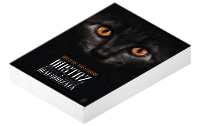

Nowa
Książka nowa.
Używany - jak nowa
Niezauważalne lub prawie niezauważalne ślady używania. Książkę ciężko odróżnić od nowej pozycji.
Używany - dobry
Normalne ślady używania wynikające z kartkowania podczas czytania, brak większych uszkodzeń lub zagięć.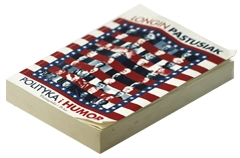
Używany - widoczne ślady użytkowania
zagięte rogi, przyniszczona okładka, książka posiada wszystkie strony.
Lesya Ukrainka. Books of Sibyl w. ukraińska
Masz tę lub inne książki?
Sprzedaj je u nas

This book seeks to reinterpret the life of Lesya Ukrainka, exploring the intricate connections between her illness and creativity, the duality of Ukraine and being a "foreigner," and the interplay between politics and literature, as well as tradition and modernity, love, and mortality. It delves into how her illness influenced her writing, specifically noting the creative insights born from the trauma of caring for the terminally ill Merzhynskyi. Her spiritual and intellectual connection to Drahomanov and her relationship with Kobylyanskaya are examined, highlighting themes of women's culture. The concept of artistic madness is considered, recognized during moments of elevated creativity. Her journeys through Europe are recounted alongside her experiences with sanatorium tourism, illustrating her status as someone perceived as "different"—a "new woman" and "foreigner" even in her own country. This status, viewed through a lens of historical and cultural uniqueness, allowed Larisa Kosach-Kvitka to carve her distinct path and emerge as a prophetic figure of the 20th century's dawn. In her final year, Lesya Ukrainka confided in her mother, expressing that only a woman could write Mavka's story. However, it is evident that all her works could only have been crafted by a woman who lived and created with a fearless disregard for death.
Wybierz stan zużycia:
WIĘCEJ O SKALI
This book seeks to reinterpret the life of Lesya Ukrainka, exploring the intricate connections between her illness and creativity, the duality of Ukraine and being a "foreigner," and the interplay between politics and literature, as well as tradition and modernity, love, and mortality. It delves into how her illness influenced her writing, specifically noting the creative insights born from the trauma of caring for the terminally ill Merzhynskyi. Her spiritual and intellectual connection to Drahomanov and her relationship with Kobylyanskaya are examined, highlighting themes of women's culture. The concept of artistic madness is considered, recognized during moments of elevated creativity. Her journeys through Europe are recounted alongside her experiences with sanatorium tourism, illustrating her status as someone perceived as "different"—a "new woman" and "foreigner" even in her own country. This status, viewed through a lens of historical and cultural uniqueness, allowed Larisa Kosach-Kvitka to carve her distinct path and emerge as a prophetic figure of the 20th century's dawn. In her final year, Lesya Ukrainka confided in her mother, expressing that only a woman could write Mavka's story. However, it is evident that all her works could only have been crafted by a woman who lived and created with a fearless disregard for death.
Szczegóły
Inne książki tych autorów

Podobne produkty
Może Ci się spodobać
Inne książki z tej samej kategorii

Napisz opinię o książce i wygraj nagrodę!
W każdym miesiącu wybieramy najlepsze opinie i nagradzamy recenzentów.
Dowiedz się więcejWartość nagród w tym miesiącu
880 zł
Dodaj swoją opinię
Zaloguj się na swoje konto, aby mieć możliwość dodawania opinii.
Czy chcesz zostawić tylko ocenę?
Dodanie samej oceny o książce nie jest brane pod uwagę podczas losowania nagród. By mieć szansę na otrzymanie nagrody musisz napisać opinię o książce.
Już oceniłeś/zrecenzowałeś te książkę w przeszłości.
Możliwe jest dodanie tylko jednej recenzji do każdej z książek.
Sposoby dostawy
Odbiór w punkcie (7)
InPost Paczkomat 24/7

14,99 zł
DPD Pickup Automaty i Punkty Odbioru

10,49 zł





Dostawa na adres (7)
GLS U Ciebie - Kurier

14,99 zł
Kurier DPD

14,99 zł





Sposoby płatności
Płatność z góry
Przedpłata

Zwykły przelew
