Stan książek
Nasze książki są dokładnie sprawdzone i jasno określamy stan każdej z nich.
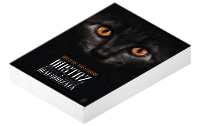

Nowa
Książka nowa.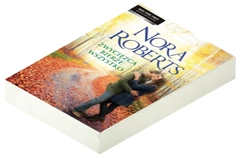
Używany - jak nowa
Niezauważalne lub prawie niezauważalne ślady używania. Książkę ciężko odróżnić od nowej pozycji.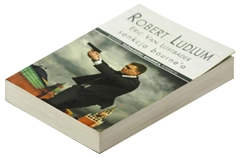
Używany - dobry
Normalne ślady używania wynikające z kartkowania podczas czytania, brak większych uszkodzeń lub zagięć.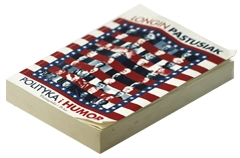
Używany - widoczne ślady użytkowania
zagięte rogi, przyniszczona okładka, książka posiada wszystkie strony.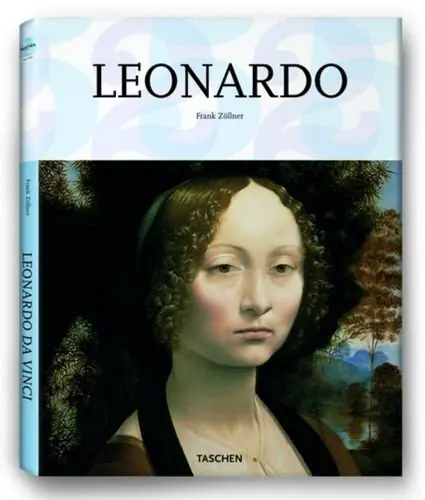
Leonardo 25
Masz tę lub inne książki?
Sprzedaj je u nas

Leonardo da Vinci stands out as one of history's most remarkable figures, embodying the ultimate Renaissance intellectual. Famed for creating the most celebrated painting ever, Leonardo was a multifaceted genius—part scientist, artist, philosopher, inventor, architect, and engineer—who truly captured the spirit of his time. Despite his wide array of interests and talents, he rarely completed many of his ambitious projects.Leonardo's appeal today partly lies in his broad curiosity and diverse interests, which are evident in his vast collection of notes and sketches. These documents forecast many of the pivotal discoveries and inventions that would come after him, spanning fields like anatomy, where he explored the fundamentals of blood circulation, to groundbreaking designs for military tanks, aircraft, and submarines.He made significant artistic strides by incorporating intricate psychological details into masterpieces like "The Last Supper" and the mysterious "La Gioconda," also known as the "Mona Lisa." A notable horseman, he was a contemporary competitor to Michelangelo and served as a military engineer for the Borgias. Leonardo passed away in 1519 at a chateau bestowed upon him by Francis I, King of France—a remarkable legacy for the illegitimate son of a notary from Florence.
Wybierz stan zużycia:
WIĘCEJ O SKALI
Leonardo da Vinci stands out as one of history's most remarkable figures, embodying the ultimate Renaissance intellectual. Famed for creating the most celebrated painting ever, Leonardo was a multifaceted genius—part scientist, artist, philosopher, inventor, architect, and engineer—who truly captured the spirit of his time. Despite his wide array of interests and talents, he rarely completed many of his ambitious projects.Leonardo's appeal today partly lies in his broad curiosity and diverse interests, which are evident in his vast collection of notes and sketches. These documents forecast many of the pivotal discoveries and inventions that would come after him, spanning fields like anatomy, where he explored the fundamentals of blood circulation, to groundbreaking designs for military tanks, aircraft, and submarines.He made significant artistic strides by incorporating intricate psychological details into masterpieces like "The Last Supper" and the mysterious "La Gioconda," also known as the "Mona Lisa." A notable horseman, he was a contemporary competitor to Michelangelo and served as a military engineer for the Borgias. Leonardo passed away in 1519 at a chateau bestowed upon him by Francis I, King of France—a remarkable legacy for the illegitimate son of a notary from Florence.
Szczegóły
Dane producenta:
Inne książki: Frank Zöllner

Podobne produkty
Może Ci się spodobać
Inne książki z tej samej kategorii

Napisz opinię o książce i wygraj nagrodę!
W każdym miesiącu wybieramy najlepsze opinie i nagradzamy recenzentów.
Dowiedz się więcejWartość nagród w tym miesiącu
880 zł
Dodaj swoją opinię
Zaloguj się na swoje konto, aby mieć możliwość dodawania opinii.
Czy chcesz zostawić tylko ocenę?
Dodanie samej oceny o książce nie jest brane pod uwagę podczas losowania nagród. By mieć szansę na otrzymanie nagrody musisz napisać opinię o książce.
Już oceniłeś/zrecenzowałeś te książkę w przeszłości.
Możliwe jest dodanie tylko jednej recenzji do każdej z książek.
Sposoby dostawy
Odbiór w punkcie (7)
InPost Paczkomat 24/7

14,99 zł
DPD Pickup Automaty i Punkty Odbioru

11,99 zł





Dostawa na adres (7)
GLS U Ciebie - Kurier

14,99 zł
Kurier DPD

14,99 zł





Sposoby płatności
Płatność z góry
Przedpłata

Zwykły przelew
