Stan książek
Nasze książki są dokładnie sprawdzone i jasno określamy stan każdej z nich.


Nowa
Książka nowa.
Używany - jak nowa
Niezauważalne lub prawie niezauważalne ślady używania. Książkę ciężko odróżnić od nowej pozycji.
Używany - dobry
Normalne ślady używania wynikające z kartkowania podczas czytania, brak większych uszkodzeń lub zagięć.
Używany - widoczne ślady użytkowania
zagięte rogi, przyniszczona okładka, książka posiada wszystkie strony.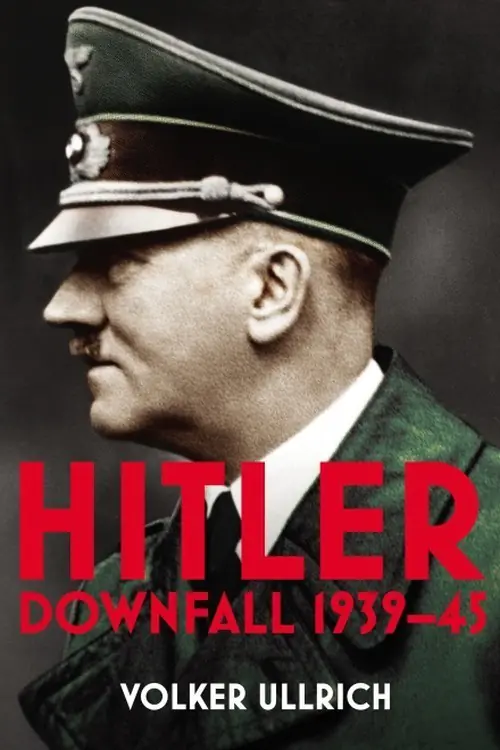
Hitler. Downfall 1939-45
Masz tę lub inne książki?
Sprzedaj je u nas

In the summer of 1939, Adolf Hitler reached the peak of his influence, as the Nazi regime firmly established its control over Germany. Through a series of strategic foreign-policy maneuvers, he positioned Germany as a dominant power in Europe once again. At this point, Hitler sought to fulfill his long-held vision of providing the German people with the necessary living space and resources to thrive, by eradicating those he saw as obstacles—namely, the Bolsheviks and the Jews. However, despite the early victories, such as the rapid conquest of Poland and the successful Blitzkrieg in Western Europe, these triumphs marked the beginning of Hitler's eventual ruin. The tide turned following the invasion of the Soviet Union in June 1941 and the United States' entry into the war later that year, which signaled the start of the decline of Nazi Germany. Volker Ullrich, in his in-depth exploration, sheds light on Hitler's complex character, a crucial element for understanding the trajectory of the war and the unfolding horrors of the Holocaust. As Germany's ultimate military leader, Hitler was involved in strategic decisions and operational planning, often paying attention to the finest details. His personality revealed itself through his actions: he was a reckless risk-taker, prone to betting everything on a single gamble; his deep-seated insecurity caused him to react strongly to setbacks and to lay blame on his subordinates for disastrous decisions. Realizing defeat was imminent, Hitler resorted to scarring Germany itself, punishing the nation for failing to secure his victory.In September 1939, Hitler made a pledge to don a simple military tunic until victory was achieved—if not, he wouldn’t be there to see the end. On April 30, 1945, as Soviet forces closed in on his Berlin bunker, Hitler took his own life. A week later, Germany capitulated. His devastating ambitions left Germany in ruins and claimed the lives of tens of millions across Europe.
Wybierz stan zużycia:
WIĘCEJ O SKALI
In the summer of 1939, Adolf Hitler reached the peak of his influence, as the Nazi regime firmly established its control over Germany. Through a series of strategic foreign-policy maneuvers, he positioned Germany as a dominant power in Europe once again. At this point, Hitler sought to fulfill his long-held vision of providing the German people with the necessary living space and resources to thrive, by eradicating those he saw as obstacles—namely, the Bolsheviks and the Jews. However, despite the early victories, such as the rapid conquest of Poland and the successful Blitzkrieg in Western Europe, these triumphs marked the beginning of Hitler's eventual ruin. The tide turned following the invasion of the Soviet Union in June 1941 and the United States' entry into the war later that year, which signaled the start of the decline of Nazi Germany. Volker Ullrich, in his in-depth exploration, sheds light on Hitler's complex character, a crucial element for understanding the trajectory of the war and the unfolding horrors of the Holocaust. As Germany's ultimate military leader, Hitler was involved in strategic decisions and operational planning, often paying attention to the finest details. His personality revealed itself through his actions: he was a reckless risk-taker, prone to betting everything on a single gamble; his deep-seated insecurity caused him to react strongly to setbacks and to lay blame on his subordinates for disastrous decisions. Realizing defeat was imminent, Hitler resorted to scarring Germany itself, punishing the nation for failing to secure his victory.In September 1939, Hitler made a pledge to don a simple military tunic until victory was achieved—if not, he wouldn’t be there to see the end. On April 30, 1945, as Soviet forces closed in on his Berlin bunker, Hitler took his own life. A week later, Germany capitulated. His devastating ambitions left Germany in ruins and claimed the lives of tens of millions across Europe.
Szczegóły
Inne książki: Volker Ullrich

Podobne produkty
Może Ci się spodobać
Inne książki z tej samej kategorii

Napisz opinię o książce i wygraj nagrodę!
W każdym miesiącu wybieramy najlepsze opinie i nagradzamy recenzentów.
Dowiedz się więcejWartość nagród w tym miesiącu
880 zł
Dodaj swoją opinię
Zaloguj się na swoje konto, aby mieć możliwość dodawania opinii.
Czy chcesz zostawić tylko ocenę?
Dodanie samej oceny o książce nie jest brane pod uwagę podczas losowania nagród. By mieć szansę na otrzymanie nagrody musisz napisać opinię o książce.
Już oceniłeś/zrecenzowałeś te książkę w przeszłości.
Możliwe jest dodanie tylko jednej recenzji do każdej z książek.
Sposoby dostawy
Odbiór w punkcie (6)
InPost Paczkomat 24/7

14,99 zł
DPD Pickup Automaty i Punkty Odbioru

10,49 zł




Dostawa na adres (7)
GLS U Ciebie - Kurier

14,99 zł
Kurier DPD

14,99 zł





Sposoby płatności
Płatność z góry
Przedpłata

Zwykły przelew
