Stan książek
Nasze książki są dokładnie sprawdzone i jasno określamy stan każdej z nich.

Nowa
Książka nowa.
Używany - jak nowa
Niezauważalne lub prawie niezauważalne ślady używania. Książkę ciężko odróżnić od nowej pozycji.
Używany - dobry
Normalne ślady używania wynikające z kartkowania podczas czytania, brak większych uszkodzeń lub zagięć.
Używany - widoczne ślady użytkowania
zagięte rogi, przyniszczona okładka, książka posiada wszystkie strony.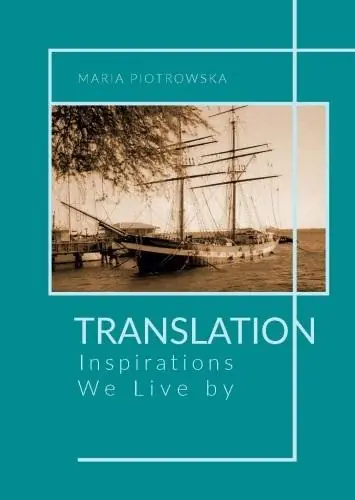
Translation: Inspirations We Live by
Masz tę lub inne książki?
Sprzedaj je u nas

The book aims to provide both a historical and modern examination of translation research models and approaches, alongside the author’s critical assessment of the current standing in Translation Studies and insights into its evolution. The chapters, labeled as Reflections, serve as thematic areas of contemplation regarding translation and the field's multi-faceted research dimensions. Arranged chronologically, the chapters explore several key aspects: translation metaphors, historical viewpoints on translation, cultural interactions in translation, with emphasis on translation ethnography; translator skills, decision-making processes, and intuition. The concluding chapter presents a conceptual map of Translation Studies, showcasing its dynamic nature, diversity, complexity, and multi- or interdisciplinary traits. The book ends with the palimpsest metaphor, returning to concepts from the initial chapter, portraying translation as an intricate blend of experiential layers and influences that shape our understanding, echoing the seminal work by Lakoff and Johnson (1980) that the book's title hints at.
Wybierz stan zużycia:
WIĘCEJ O SKALI
The book aims to provide both a historical and modern examination of translation research models and approaches, alongside the author’s critical assessment of the current standing in Translation Studies and insights into its evolution. The chapters, labeled as Reflections, serve as thematic areas of contemplation regarding translation and the field's multi-faceted research dimensions. Arranged chronologically, the chapters explore several key aspects: translation metaphors, historical viewpoints on translation, cultural interactions in translation, with emphasis on translation ethnography; translator skills, decision-making processes, and intuition. The concluding chapter presents a conceptual map of Translation Studies, showcasing its dynamic nature, diversity, complexity, and multi- or interdisciplinary traits. The book ends with the palimpsest metaphor, returning to concepts from the initial chapter, portraying translation as an intricate blend of experiential layers and influences that shape our understanding, echoing the seminal work by Lakoff and Johnson (1980) that the book's title hints at.
Szczegóły
Inne książki: Maria Piotrowska

Podobne produkty
Może Ci się spodobać
Inne książki z tej samej kategorii

Napisz opinię o książce i wygraj nagrodę!
W każdym miesiącu wybieramy najlepsze opinie i nagradzamy recenzentów.
Dowiedz się więcejWartość nagród w tym miesiącu
880 zł
Dodaj swoją opinię
Zaloguj się na swoje konto, aby mieć możliwość dodawania opinii.
Czy chcesz zostawić tylko ocenę?
Dodanie samej oceny o książce nie jest brane pod uwagę podczas losowania nagród. By mieć szansę na otrzymanie nagrody musisz napisać opinię o książce.
Już oceniłeś/zrecenzowałeś te książkę w przeszłości.
Możliwe jest dodanie tylko jednej recenzji do każdej z książek.
Sposoby dostawy
Odbiór w punkcie (6)
InPost Paczkomat 24/7

14,99 zł
DPD Pickup Automaty i Punkty Odbioru

10,49 zł




Dostawa na adres (7)
GLS U Ciebie - Kurier

14,99 zł
Kurier DPD

14,99 zł





Sposoby płatności
Płatność z góry
Przedpłata

Zwykły przelew
