Stan książek
Nasze książki są dokładnie sprawdzone i jasno określamy stan każdej z nich.


Nowa
Książka nowa.
Używany - jak nowa
Niezauważalne lub prawie niezauważalne ślady używania. Książkę ciężko odróżnić od nowej pozycji.
Używany - dobry
Normalne ślady używania wynikające z kartkowania podczas czytania, brak większych uszkodzeń lub zagięć.
Używany - widoczne ślady użytkowania
zagięte rogi, przyniszczona okładka, książka posiada wszystkie strony.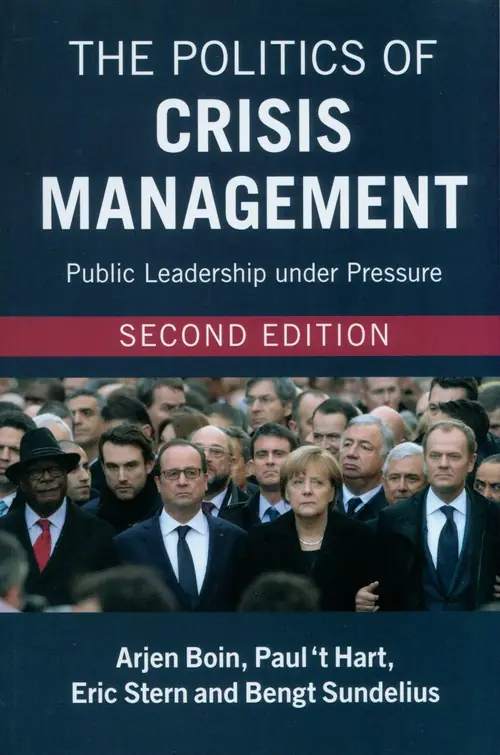
The Politics of Crisis Management
Masz tę lub inne książki?
Sprzedaj je u nas

Managing crises has emerged as a crucial element of modern governance. When crises arise, both communities and members of organizations look to their leaders to reduce negative impacts. At the same time, social media becomes a tool for critics and rivals to hold current leaders and their policies accountable. In such a challenging environment, policymakers are tasked with restoring normalcy and encouraging collective learning from the crisis. This new edition of a uniquely detailed analysis explores how strategic leaders confront these challenges, the political risks and prospects they encounter, the mistakes to steer clear of, and the reform paths they could consider. The book is rooted in extensive collaborative research across nations and disciplines, enriched with fresh insights and examples from the past ten years. It stands out as a significant contribution by experts in public policy and international security.
Wybierz stan zużycia:
WIĘCEJ O SKALI
Managing crises has emerged as a crucial element of modern governance. When crises arise, both communities and members of organizations look to their leaders to reduce negative impacts. At the same time, social media becomes a tool for critics and rivals to hold current leaders and their policies accountable. In such a challenging environment, policymakers are tasked with restoring normalcy and encouraging collective learning from the crisis. This new edition of a uniquely detailed analysis explores how strategic leaders confront these challenges, the political risks and prospects they encounter, the mistakes to steer clear of, and the reform paths they could consider. The book is rooted in extensive collaborative research across nations and disciplines, enriched with fresh insights and examples from the past ten years. It stands out as a significant contribution by experts in public policy and international security.
Szczegóły
Dane producenta:
Inne książki tych autorów

Podobne produkty
Może Ci się spodobać
Inne książki z tej samej kategorii

Napisz opinię o książce i wygraj nagrodę!
W każdym miesiącu wybieramy najlepsze opinie i nagradzamy recenzentów.
Dowiedz się więcejWartość nagród w tym miesiącu
880 zł
Dodaj swoją opinię
Zaloguj się na swoje konto, aby mieć możliwość dodawania opinii.
Czy chcesz zostawić tylko ocenę?
Dodanie samej oceny o książce nie jest brane pod uwagę podczas losowania nagród. By mieć szansę na otrzymanie nagrody musisz napisać opinię o książce.
Już oceniłeś/zrecenzowałeś te książkę w przeszłości.
Możliwe jest dodanie tylko jednej recenzji do każdej z książek.
Sposoby dostawy
Odbiór w punkcie (6)
InPost Paczkomat 24/7

13,99 zł
ORLEN Paczka

12,99 zł




Dostawa na adres (7)
GLS U Ciebie - Kurier

14,99 zł
Kurier DPD

14,99 zł





Sposoby płatności
Płatność z góry
Przedpłata

Zwykły przelew
