Stan książek
Nasze książki są dokładnie sprawdzone i jasno określamy stan każdej z nich.


Nowa
Książka nowa.
Używany - jak nowa
Niezauważalne lub prawie niezauważalne ślady używania. Książkę ciężko odróżnić od nowej pozycji.
Używany - dobry
Normalne ślady używania wynikające z kartkowania podczas czytania, brak większych uszkodzeń lub zagięć.
Używany - widoczne ślady użytkowania
zagięte rogi, przyniszczona okładka, książka posiada wszystkie strony.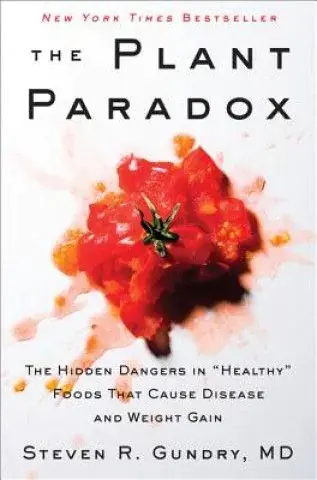
The Plant Paradox
Masz tę lub inne książki?
Sprzedaj je u nas

Dr. Gundry stands out as a visionary leader in the realm of science, consistently pushing the boundaries of knowledge. Alejandro Junger MD, a best-selling author renowned for works like Clean, Clean Gut, and Clean Eats, emphasizes that The Plant Paradox is an essential read for those striving to achieve the peak of natural health. Meanwhile, Mehmet Oz, MD, a Surgery Professor at New York Presbyterian/Columbia University, highlights the book's insightful explanation of how plants deploy defense mechanisms to deter consumption by humans, and how consuming the wrong plant elements can significantly harm our bodies.While people are broadly aware of gluten and the inflammatory havoc it can wreak, often resorting to gluten-free diets, they might be overlooking a deeper issue. Dr. Steven Gundry, a distinguished cardiologist, reveals through The Plant Paradox that gluten is just a singular form of a more pervasive and toxic plant-based protein known as lectin. These proteins are not only present in wheat but also in numerous "gluten-free" foods commonly thought to be healthy, including certain fruits, vegetables, nuts, beans, and traditional dairy products. Lectins, which reside in seeds, grains, skins, rinds, and leaves, serve as nature's defense mechanism for plants, potentially triggering inflammatory responses, weight gain, and other harmful health impacts in humans.Dr. Gundry, at his exclusive California clinics, has effectively treated numerous patients with conditions such as autoimmune disorders, diabetes, leaky gut syndrome, heart disease, and neurodegenerative issues. His approach involves detoxifying cells, healing the gut, and providing comprehensive nourishment. Through The Plant Paradox, he unveils this medically backed program to a global audience. Lectins, unfortunately, are pervasive, but Dr. Gundry provides practical strategies to avoid them. For example, by peeling and de-seeding vegetables, one can significantly lower their lectin levels. Choosing in-season fruits can further reduce lectin intake, as ripe fruits contain fewer lectins. Substituting brown rice with white rice also helps, as whole grains are often packed with lectins intended to deter digestion.The Plant Paradox not only offers a detailed list of foods high in lectins but provides alternatives, a step-by-step detox and nutritional plan, and appetizing lectin-free recipes. This book unveils the concealed perils in everyday meals and guides readers on how to enjoy whole foods while mitigating the risks associated with lectins.
Wybierz stan zużycia:
WIĘCEJ O SKALI
Dr. Gundry stands out as a visionary leader in the realm of science, consistently pushing the boundaries of knowledge. Alejandro Junger MD, a best-selling author renowned for works like Clean, Clean Gut, and Clean Eats, emphasizes that The Plant Paradox is an essential read for those striving to achieve the peak of natural health. Meanwhile, Mehmet Oz, MD, a Surgery Professor at New York Presbyterian/Columbia University, highlights the book's insightful explanation of how plants deploy defense mechanisms to deter consumption by humans, and how consuming the wrong plant elements can significantly harm our bodies.While people are broadly aware of gluten and the inflammatory havoc it can wreak, often resorting to gluten-free diets, they might be overlooking a deeper issue. Dr. Steven Gundry, a distinguished cardiologist, reveals through The Plant Paradox that gluten is just a singular form of a more pervasive and toxic plant-based protein known as lectin. These proteins are not only present in wheat but also in numerous "gluten-free" foods commonly thought to be healthy, including certain fruits, vegetables, nuts, beans, and traditional dairy products. Lectins, which reside in seeds, grains, skins, rinds, and leaves, serve as nature's defense mechanism for plants, potentially triggering inflammatory responses, weight gain, and other harmful health impacts in humans.Dr. Gundry, at his exclusive California clinics, has effectively treated numerous patients with conditions such as autoimmune disorders, diabetes, leaky gut syndrome, heart disease, and neurodegenerative issues. His approach involves detoxifying cells, healing the gut, and providing comprehensive nourishment. Through The Plant Paradox, he unveils this medically backed program to a global audience. Lectins, unfortunately, are pervasive, but Dr. Gundry provides practical strategies to avoid them. For example, by peeling and de-seeding vegetables, one can significantly lower their lectin levels. Choosing in-season fruits can further reduce lectin intake, as ripe fruits contain fewer lectins. Substituting brown rice with white rice also helps, as whole grains are often packed with lectins intended to deter digestion.The Plant Paradox not only offers a detailed list of foods high in lectins but provides alternatives, a step-by-step detox and nutritional plan, and appetizing lectin-free recipes. This book unveils the concealed perils in everyday meals and guides readers on how to enjoy whole foods while mitigating the risks associated with lectins.
Szczegóły
Dane producenta:
Inne książki: Steven Gundry

Podobne produkty
Może Ci się spodobać
Inne książki z tej samej kategorii

Napisz opinię o książce i wygraj nagrodę!
W każdym miesiącu wybieramy najlepsze opinie i nagradzamy recenzentów.
Dowiedz się więcejWartość nagród w tym miesiącu
880 zł
Dodaj swoją opinię
Zaloguj się na swoje konto, aby mieć możliwość dodawania opinii.
Czy chcesz zostawić tylko ocenę?
Dodanie samej oceny o książce nie jest brane pod uwagę podczas losowania nagród. By mieć szansę na otrzymanie nagrody musisz napisać opinię o książce.
Już oceniłeś/zrecenzowałeś te książkę w przeszłości.
Możliwe jest dodanie tylko jednej recenzji do każdej z książek.
Sposoby dostawy
Odbiór w punkcie (6)
InPost Paczkomat 24/7

14,99 zł
DPD Pickup Automaty i Punkty Odbioru

10,49 zł




Dostawa na adres (7)
GLS U Ciebie - Kurier

14,99 zł
Kurier DPD

14,99 zł





Sposoby płatności
Płatność z góry
Przedpłata

Zwykły przelew
