Stan książek
Nasze książki są dokładnie sprawdzone i jasno określamy stan każdej z nich.

Nowa
Książka nowa.
Używany - jak nowa
Niezauważalne lub prawie niezauważalne ślady używania. Książkę ciężko odróżnić od nowej pozycji.
Używany - dobry
Normalne ślady używania wynikające z kartkowania podczas czytania, brak większych uszkodzeń lub zagięć.
Używany - widoczne ślady użytkowania
zagięte rogi, przyniszczona okładka, książka posiada wszystkie strony.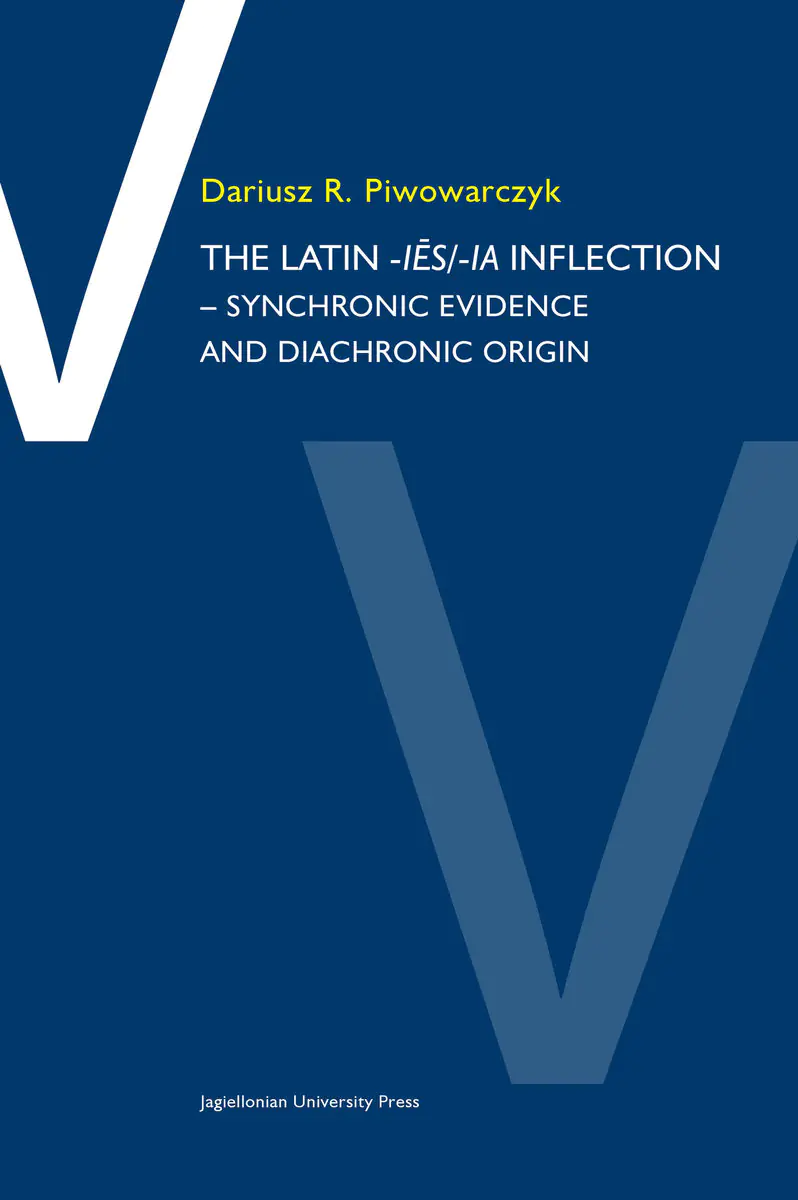
The Latin -ies/ia inflection Synchronic evidence and diachronic origin
Masz tę lub inne książki?
Sprzedaj je u nas

The monograph explores the origins of the Latin -ies/-ia inflection, addressing a topic that has yet to be fully clarified. The book proposes a straightforward and efficient solution, bypassing the complex assumptions of previous theories. The author attributes these formations to the interactions and influences among three reconstructed Proto-Indo-European paradigms, along with the analogical impact of the frequently used Latin noun dies (day) from the fifth declension.Beyond presenting the hypothesis, the book offers a comprehensive analysis of all forms of the Latin -ies/-ia inflection, supplemented by etymological insights and examples from ancient texts. Additionally, it discusses the origins of the Latin fifth declension and modern interpretations of Proto-Indo-European derivational morphology.
Wybierz stan zużycia:
WIĘCEJ O SKALI
The monograph explores the origins of the Latin -ies/-ia inflection, addressing a topic that has yet to be fully clarified. The book proposes a straightforward and efficient solution, bypassing the complex assumptions of previous theories. The author attributes these formations to the interactions and influences among three reconstructed Proto-Indo-European paradigms, along with the analogical impact of the frequently used Latin noun dies (day) from the fifth declension.Beyond presenting the hypothesis, the book offers a comprehensive analysis of all forms of the Latin -ies/-ia inflection, supplemented by etymological insights and examples from ancient texts. Additionally, it discusses the origins of the Latin fifth declension and modern interpretations of Proto-Indo-European derivational morphology.
Szczegóły
Dane producenta:
Inne książki: Dariusz Rafał Piwowarczyk

Podobne produkty
Może Ci się spodobać
Inne książki z tej samej kategorii

Napisz opinię o książce i wygraj nagrodę!
W każdym miesiącu wybieramy najlepsze opinie i nagradzamy recenzentów.
Dowiedz się więcejWartość nagród w tym miesiącu
880 zł
Dodaj swoją opinię
Zaloguj się na swoje konto, aby mieć możliwość dodawania opinii.
Czy chcesz zostawić tylko ocenę?
Dodanie samej oceny o książce nie jest brane pod uwagę podczas losowania nagród. By mieć szansę na otrzymanie nagrody musisz napisać opinię o książce.
Już oceniłeś/zrecenzowałeś te książkę w przeszłości.
Możliwe jest dodanie tylko jednej recenzji do każdej z książek.
Sposoby dostawy
Płatne z góry

InPost Paczkomaty 24/7
13.99 zł
Darmowa od 190 zł

ORLEN Paczka
12.99 zł
Darmowa od 190 zł

Automaty DHL BOX 24/7 i punkty POP
12.99 zł
Darmowa od 190 zł

DPD Pickup Automaty i Punkty Odbioru
8.99 zł
Darmowa od 190 zł

Automaty Orlen Paczka, sklepy Żabka i inne
12.99 zł
Darmowa od 190 zł

GLS U Ciebie - Kurier
14.99 zł
Darmowa od 190 zł

Kurier DPD
14.99 zł
Darmowa od 190 zł

Kurier InPost
14.99 zł
Darmowa od 190 zł

Pocztex Kurier
13.99 zł
Darmowa od 190 zł

Kurier DHL
14.99 zł
Darmowa od 190 zł

Kurier GLS - kraje UE
69.00 zł

Punkt odbioru (Dębica)
2.99 zł
Darmowa od 190 zł
Płatne przy odbiorze

Kurier GLS pobranie
23.99 zł
Sposoby płatności
Płatność z góry
Przedpłata

Zwykły przelew
