Stan książek
Nasze książki są dokładnie sprawdzone i jasno określamy stan każdej z nich.
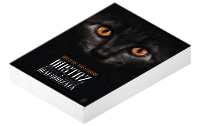

Nowa
Książka nowa.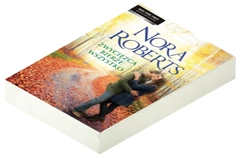
Używany - jak nowa
Niezauważalne lub prawie niezauważalne ślady używania. Książkę ciężko odróżnić od nowej pozycji.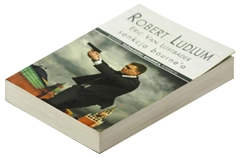
Używany - dobry
Normalne ślady używania wynikające z kartkowania podczas czytania, brak większych uszkodzeń lub zagięć.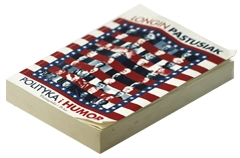
Używany - widoczne ślady użytkowania
zagięte rogi, przyniszczona okładka, książka posiada wszystkie strony.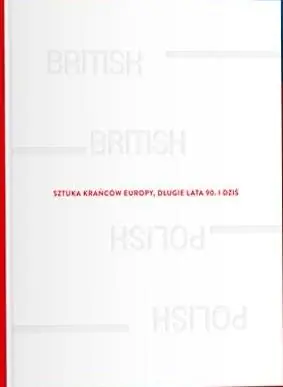
Sztuka krańców Europy, długie lata 90 i dziś w.ang
Masz tę lub inne książki?
Sprzedaj je u nas

The exhibition "British British Polish Polish. Art from Europe's Edges in the Long '90s and Today," hosted at the CCA Ujazdowski Castle in 2013, focused on the distinctive flourishing of contemporary art in the UK and Poland during the transition from the 1980s to the 1990s. This period is notably linked to the emergence of the Young British Artists and Polish Critical Art. Artists from both movements engaged directly with fundamental human issues including life and death, sexuality and violence, as well as ethics and politics. Their bold approaches sparked dynamic and essential debates within their societies, actively involving the media, and consequently, this led to the transformation of contemporary art from a niche interest into a vibrant part of popular culture in both the UK and Poland. These developments unfolded amidst significant economic and social changes: the UK experienced the financial market deregulation known as the Big Bang in 1986, coinciding with Damien Hirst starting his studies at Goldsmiths’ College, while Poland was undergoing a dramatic political shift following the fall of communism in 1989.
The exhibition not only showcased pivotal works from these movements during the '90s but also included contributions from emerging artists from the UK and Poland in the wake of the 2007/2008 global financial crisis. This raised questions about whether contemporary artists continue to draw from the legacy of their predecessors, outright reject it, or remain indifferent to past influences. It also prompted contemplation on whether society is still entrenched in the ideologies of the "long-nineties" or has transitioned into a new, undefined era.
In conjunction with the exhibition, a comprehensive publication was developed, featuring texts by curators Tom Morton and Marek Goździewski, alongside contributions from J.J. Charlesworth, Isobel Harbison, Izabela Kowalczyk, Paweł Możdżyński, and Jakub Bąk. The book includes interviews with participating artists and a detailed calendar—compiled by Oliver Basciano and Maryla Sitkowska—tracing the British and Polish cultural and political landscape of the '90s. It also provides selected media excerpts on the impact of Young British Art and Polish Critical Art. Subsequent editions expanded to include documentation on controversies surrounding some of the exhibited works and a diverse collection of press reactions, marking the exhibition as a significant event in modern Polish art history. The production of this publication was a key initiative for the CCA Ujazdowski Castle, highlighting its crucial role in shaping contemporary Polish art during the '90s.
Wybierz stan zużycia:
WIĘCEJ O SKALI
The exhibition "British British Polish Polish. Art from Europe's Edges in the Long '90s and Today," hosted at the CCA Ujazdowski Castle in 2013, focused on the distinctive flourishing of contemporary art in the UK and Poland during the transition from the 1980s to the 1990s. This period is notably linked to the emergence of the Young British Artists and Polish Critical Art. Artists from both movements engaged directly with fundamental human issues including life and death, sexuality and violence, as well as ethics and politics. Their bold approaches sparked dynamic and essential debates within their societies, actively involving the media, and consequently, this led to the transformation of contemporary art from a niche interest into a vibrant part of popular culture in both the UK and Poland. These developments unfolded amidst significant economic and social changes: the UK experienced the financial market deregulation known as the Big Bang in 1986, coinciding with Damien Hirst starting his studies at Goldsmiths’ College, while Poland was undergoing a dramatic political shift following the fall of communism in 1989.
The exhibition not only showcased pivotal works from these movements during the '90s but also included contributions from emerging artists from the UK and Poland in the wake of the 2007/2008 global financial crisis. This raised questions about whether contemporary artists continue to draw from the legacy of their predecessors, outright reject it, or remain indifferent to past influences. It also prompted contemplation on whether society is still entrenched in the ideologies of the "long-nineties" or has transitioned into a new, undefined era.
In conjunction with the exhibition, a comprehensive publication was developed, featuring texts by curators Tom Morton and Marek Goździewski, alongside contributions from J.J. Charlesworth, Isobel Harbison, Izabela Kowalczyk, Paweł Możdżyński, and Jakub Bąk. The book includes interviews with participating artists and a detailed calendar—compiled by Oliver Basciano and Maryla Sitkowska—tracing the British and Polish cultural and political landscape of the '90s. It also provides selected media excerpts on the impact of Young British Art and Polish Critical Art. Subsequent editions expanded to include documentation on controversies surrounding some of the exhibited works and a diverse collection of press reactions, marking the exhibition as a significant event in modern Polish art history. The production of this publication was a key initiative for the CCA Ujazdowski Castle, highlighting its crucial role in shaping contemporary Polish art during the '90s.
Szczegóły
Inne książki tych autorów

Podobne produkty
Może Ci się spodobać
Inne książki z tej samej kategorii

Napisz opinię o książce i wygraj nagrodę!
W każdym miesiącu wybieramy najlepsze opinie i nagradzamy recenzentów.
Dowiedz się więcejWartość nagród w tym miesiącu
880 zł
Dodaj swoją opinię
Zaloguj się na swoje konto, aby mieć możliwość dodawania opinii.
Czy chcesz zostawić tylko ocenę?
Dodanie samej oceny o książce nie jest brane pod uwagę podczas losowania nagród. By mieć szansę na otrzymanie nagrody musisz napisać opinię o książce.
Już oceniłeś/zrecenzowałeś te książkę w przeszłości.
Możliwe jest dodanie tylko jednej recenzji do każdej z książek.
Sposoby dostawy
Płatne z góry

InPost Paczkomaty 24/7
13.99 zł
Darmowa od 190 zł

ORLEN Paczka
12.99 zł
Darmowa od 190 zł

Automaty DHL BOX 24/7 i punkty POP
12.99 zł
Darmowa od 190 zł

DPD Pickup Automaty i Punkty Odbioru
9.99 zł
Darmowa od 190 zł

Automaty Orlen Paczka, sklepy Żabka i inne
12.99 zł
Darmowa od 190 zł

GLS U Ciebie - Kurier
14.99 zł
Darmowa od 190 zł

Kurier DPD
14.99 zł
Darmowa od 190 zł

Kurier InPost
14.99 zł
Darmowa od 190 zł

Pocztex Kurier
13.99 zł
Darmowa od 190 zł

Kurier DHL
14.99 zł
Darmowa od 190 zł

Kurier GLS - kraje UE
69.00 zł

Punkt odbioru (Dębica)
2.99 zł
Darmowa od 190 zł
Płatne przy odbiorze

Kurier GLS pobranie
23.99 zł
Sposoby płatności
Płatność z góry
Przedpłata

Zwykły przelew
