Stan książek
Nasze książki są dokładnie sprawdzone i jasno określamy stan każdej z nich.

Nowa
Książka nowa.
Używany - jak nowa
Niezauważalne lub prawie niezauważalne ślady używania. Książkę ciężko odróżnić od nowej pozycji.
Używany - dobry
Normalne ślady używania wynikające z kartkowania podczas czytania, brak większych uszkodzeń lub zagięć.
Używany - widoczne ślady użytkowania
zagięte rogi, przyniszczona okładka, książka posiada wszystkie strony.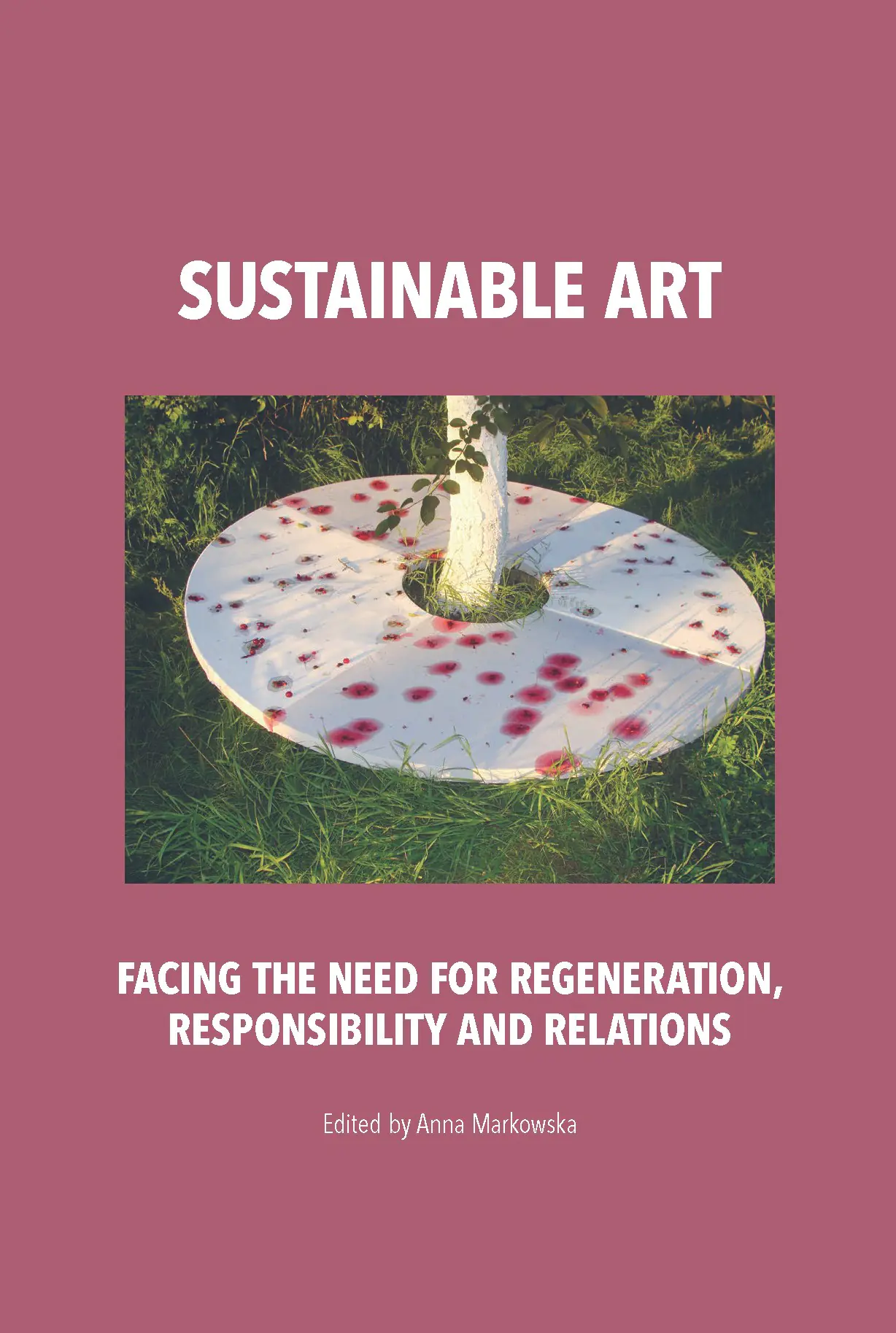
Sustainable art facing the need for regeneration, responsibility and relations
Masz tę lub inne książki?
Sprzedaj je u nas

The terms "sustainability" and "sustainable development" frequently appear in discussions around politics, economics, and ecology, underscoring a growing recognition of our planet's global responsibility. Historically, we've leaned more towards unchecked exploitation, but now there's an imperative shift towards stewardship. This paradigm change is especially evident in the realm of sustainable art, which embodies a strong element of social activism.When one delves into the realm of sustainable art, it becomes apparent that it transcends traditional aesthetic criteria. Instead, it encompasses a wide range of themes such as ecological awareness, recycling, energy dynamics, an emotional connection to history, and political change in the wake of colonialist oppression. These diverse themes foster the development of innovative artistic practices that challenge conventional boundaries.Sustainable art emerges as a response to the symbolic violence of modernism, characterized by its rigid demarcations and glorification of the solitary genius. Modernist values had established hierarchies endorsing the removal of anything deemed inferior, outdated, or irrational. This rejection of superfluous discrimination makes sustainable art a powerful counter-narrative.The essence of sustainable art lies in promoting care, responsibility, and harmony. It champions empathy, urging us to appreciate the unfamiliar and the enigmatic. In today's art scene, the shift from celebrating the solitary genius to embracing community and collaboration reflects a broader commitment to inclusivity. The pressing question remains: is sustainable art an idealistic pursuit, a prestigious venture, or perhaps an indispensable evolution?
Wybierz stan zużycia:
WIĘCEJ O SKALI
The terms "sustainability" and "sustainable development" frequently appear in discussions around politics, economics, and ecology, underscoring a growing recognition of our planet's global responsibility. Historically, we've leaned more towards unchecked exploitation, but now there's an imperative shift towards stewardship. This paradigm change is especially evident in the realm of sustainable art, which embodies a strong element of social activism.When one delves into the realm of sustainable art, it becomes apparent that it transcends traditional aesthetic criteria. Instead, it encompasses a wide range of themes such as ecological awareness, recycling, energy dynamics, an emotional connection to history, and political change in the wake of colonialist oppression. These diverse themes foster the development of innovative artistic practices that challenge conventional boundaries.Sustainable art emerges as a response to the symbolic violence of modernism, characterized by its rigid demarcations and glorification of the solitary genius. Modernist values had established hierarchies endorsing the removal of anything deemed inferior, outdated, or irrational. This rejection of superfluous discrimination makes sustainable art a powerful counter-narrative.The essence of sustainable art lies in promoting care, responsibility, and harmony. It champions empathy, urging us to appreciate the unfamiliar and the enigmatic. In today's art scene, the shift from celebrating the solitary genius to embracing community and collaboration reflects a broader commitment to inclusivity. The pressing question remains: is sustainable art an idealistic pursuit, a prestigious venture, or perhaps an indispensable evolution?
Szczegóły
Inne książki tych autorów

Podobne produkty
Może Ci się spodobać
Inne książki z tej samej kategorii

Napisz opinię o książce i wygraj nagrodę!
W każdym miesiącu wybieramy najlepsze opinie i nagradzamy recenzentów.
Dowiedz się więcejWartość nagród w tym miesiącu
880 zł
Dodaj swoją opinię
Zaloguj się na swoje konto, aby mieć możliwość dodawania opinii.
Czy chcesz zostawić tylko ocenę?
Dodanie samej oceny o książce nie jest brane pod uwagę podczas losowania nagród. By mieć szansę na otrzymanie nagrody musisz napisać opinię o książce.
Już oceniłeś/zrecenzowałeś te książkę w przeszłości.
Możliwe jest dodanie tylko jednej recenzji do każdej z książek.
Sposoby dostawy
Odbiór w punkcie (6)
InPost Paczkomat 24/7

13,99 zł
ORLEN Paczka

12,99 zł



Dostawa na adres (7)
GLS U Ciebie - Kurier

14,99 zł
Kurier DPD

14,99 zł





Sposoby płatności
Płatność z góry
Przedpłata

Zwykły przelew
