Stan książek
Nasze książki są dokładnie sprawdzone i jasno określamy stan każdej z nich.


Nowa
Książka nowa.
Używany - jak nowa
Niezauważalne lub prawie niezauważalne ślady używania. Książkę ciężko odróżnić od nowej pozycji.
Używany - dobry
Normalne ślady używania wynikające z kartkowania podczas czytania, brak większych uszkodzeń lub zagięć.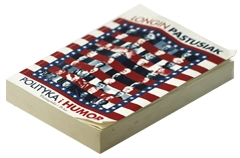
Używany - widoczne ślady użytkowania
zagięte rogi, przyniszczona okładka, książka posiada wszystkie strony.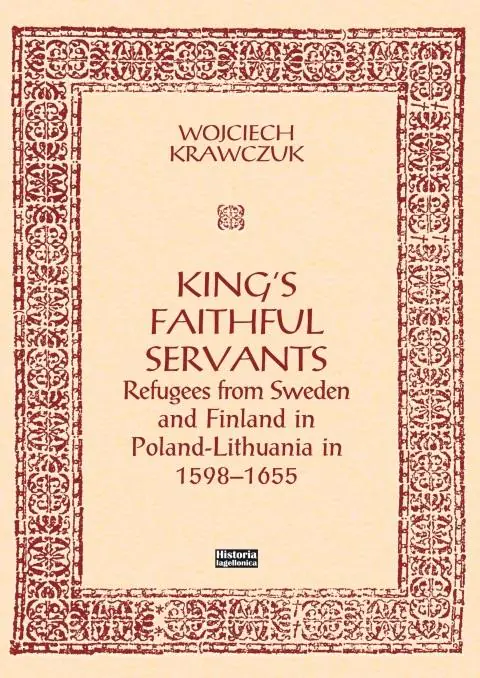
King's Faithful Servants. Refugees from Sweden...
Masz tę lub inne książki?
Sprzedaj je u nas

The Polish-Lithuanian Commonwealth in the 16th and 17th centuries was characterized by its unique strength, rooted in its diverse conglomeration of nations and religions. This variety, while today challenging to comprehend and embrace, was navigated through a distinct form of tolerance. At that time, acceptance meant acknowledging differences and engaging in dialogue, though it did not imply viewing all belief systems as equal. Despite frequent religious disputes and unrest that shattered the delicate peace, a dedication to the common good ultimately prevailed. This environment enabled the successful integration of various communities. A noteworthy yet often overlooked example are the Lipka Tatars. They settled in Lithuania in the 14th century, maintained their Muslim faith, and demonstrated tremendous patriotism towards both Poland and Lithuania. The Commonwealth became a refuge for many, including Jews, Armenians, Scots, Germans, and Russians fleeing the Moscow Empire.This book focuses on a group of Swedish and Finnish refugees who, during their homeland's civil war at the close of the 16th century, remained loyal to the rightful monarch, Sigismund of the Vasa dynasty. They fled from the persecution of Duke Karl of Södermanland. Propaganda, led by Karl and his son Gustavus Adolphus, sought to frame the conflict as a religious clash between Catholic Sigismund and the largely Lutheran Swedes and Finns. This narrative aimed to legitimize the usurpation as a defense of faith. Consequently, Sigismund became cloaked in a "black legend," a perception still echoing in both Sweden and Poland today. Evaluating this monarch’s legacy is complex and not wholly favorable, yet it is essential to reassess the propaganda narratives from centuries past with a critical eye.
Wybierz stan zużycia:
WIĘCEJ O SKALI
The Polish-Lithuanian Commonwealth in the 16th and 17th centuries was characterized by its unique strength, rooted in its diverse conglomeration of nations and religions. This variety, while today challenging to comprehend and embrace, was navigated through a distinct form of tolerance. At that time, acceptance meant acknowledging differences and engaging in dialogue, though it did not imply viewing all belief systems as equal. Despite frequent religious disputes and unrest that shattered the delicate peace, a dedication to the common good ultimately prevailed. This environment enabled the successful integration of various communities. A noteworthy yet often overlooked example are the Lipka Tatars. They settled in Lithuania in the 14th century, maintained their Muslim faith, and demonstrated tremendous patriotism towards both Poland and Lithuania. The Commonwealth became a refuge for many, including Jews, Armenians, Scots, Germans, and Russians fleeing the Moscow Empire.This book focuses on a group of Swedish and Finnish refugees who, during their homeland's civil war at the close of the 16th century, remained loyal to the rightful monarch, Sigismund of the Vasa dynasty. They fled from the persecution of Duke Karl of Södermanland. Propaganda, led by Karl and his son Gustavus Adolphus, sought to frame the conflict as a religious clash between Catholic Sigismund and the largely Lutheran Swedes and Finns. This narrative aimed to legitimize the usurpation as a defense of faith. Consequently, Sigismund became cloaked in a "black legend," a perception still echoing in both Sweden and Poland today. Evaluating this monarch’s legacy is complex and not wholly favorable, yet it is essential to reassess the propaganda narratives from centuries past with a critical eye.
Szczegóły
Dane producenta:
Inne książki: Wojciech Krawczuk

Podobne produkty
Może Ci się spodobać
Inne książki z tej samej kategorii

Napisz opinię o książce i wygraj nagrodę!
W każdym miesiącu wybieramy najlepsze opinie i nagradzamy recenzentów.
Dowiedz się więcejWartość nagród w tym miesiącu
880 zł
Dodaj swoją opinię
Zaloguj się na swoje konto, aby mieć możliwość dodawania opinii.
Czy chcesz zostawić tylko ocenę?
Dodanie samej oceny o książce nie jest brane pod uwagę podczas losowania nagród. By mieć szansę na otrzymanie nagrody musisz napisać opinię o książce.
Już oceniłeś/zrecenzowałeś te książkę w przeszłości.
Możliwe jest dodanie tylko jednej recenzji do każdej z książek.
Sposoby dostawy
Odbiór w punkcie (7)
InPost Paczkomat 24/7

14,99 zł
DPD Pickup Automaty i Punkty Odbioru

10,49 zł





Dostawa na adres (7)
GLS U Ciebie - Kurier

14,99 zł
Kurier DPD

14,99 zł





Sposoby płatności
Płatność z góry
Przedpłata

Zwykły przelew
