Stan książek
Nasze książki są dokładnie sprawdzone i jasno określamy stan każdej z nich.


Nowa
Książka nowa.
Używany - jak nowa
Niezauważalne lub prawie niezauważalne ślady używania. Książkę ciężko odróżnić od nowej pozycji.
Używany - dobry
Normalne ślady używania wynikające z kartkowania podczas czytania, brak większych uszkodzeń lub zagięć.
Używany - widoczne ślady użytkowania
zagięte rogi, przyniszczona okładka, książka posiada wszystkie strony.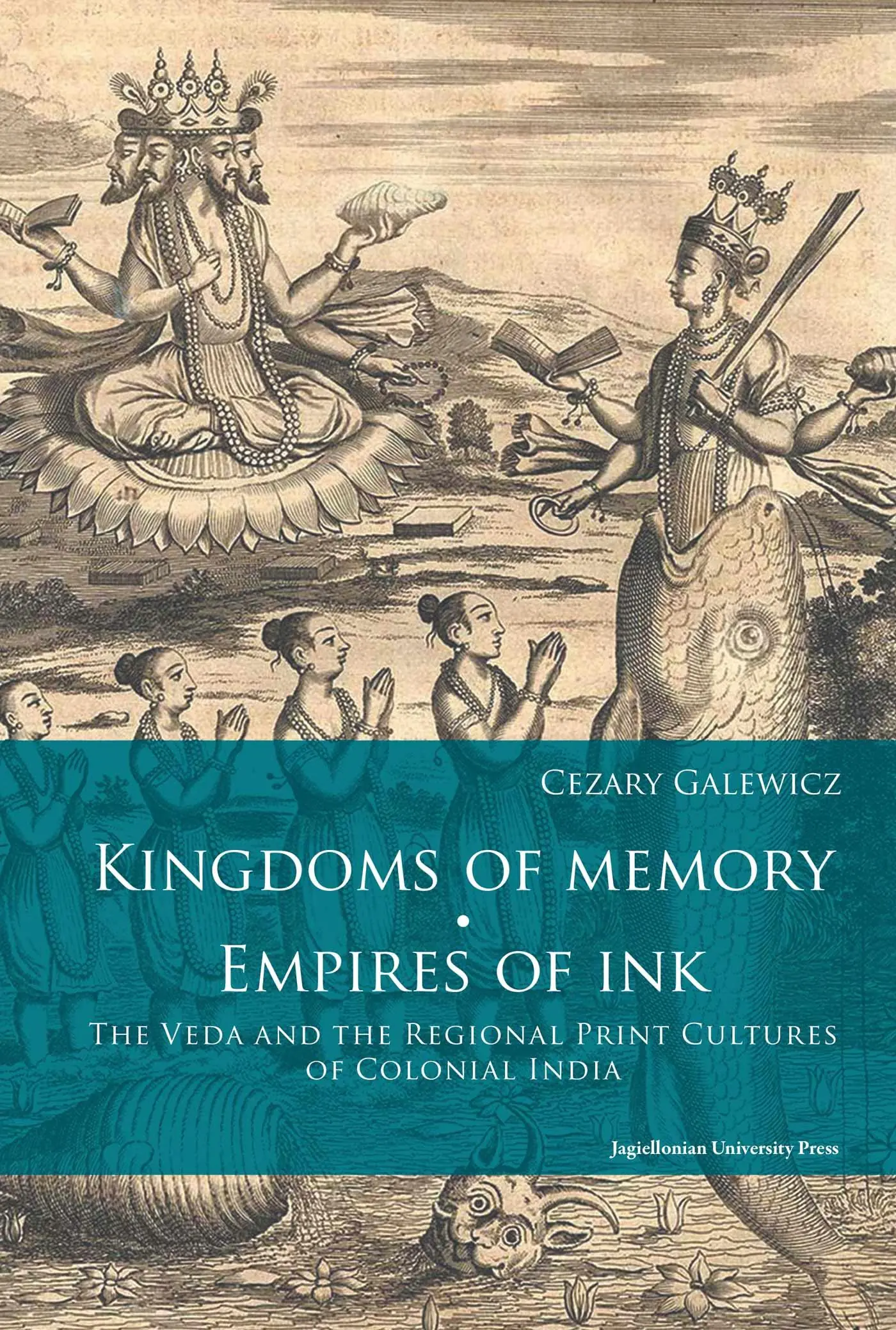
Kingdoms of memory. Empires of Ink
Masz tę lub inne książki?
Sprzedaj je u nas

This book delves into the historical evolution of an extraordinary concept of the book that emerged in South Asia, particularly with regard to the Veda. By the 19th century, there was a noticeable disparity and spatial fragmentation in the development of regional print cultures across the Indian subcontinent. These cultures evolved by drawing from local communication patterns, power structures, patronage systems, and a nascent economic regime. This growth occurred amidst significant changes in governance, authority, and communication within the subcontinent, which was increasingly being integrated into the global framework of the British Empire. The era marked a shift in the locations of knowledge production and the redistribution of text-circulation networks towards newly burgeoning urban areas. This book seeks to explore how these emerging regional print cultures fostered conditions for, encouraged, and accommodated diverse initiatives in publishing printed editions of Vedic texts. It also examines how these efforts left unique imprints on their editorial guidelines, book designs, typographic styles, and publishing philosophies.
Wybierz stan zużycia:
WIĘCEJ O SKALI
This book delves into the historical evolution of an extraordinary concept of the book that emerged in South Asia, particularly with regard to the Veda. By the 19th century, there was a noticeable disparity and spatial fragmentation in the development of regional print cultures across the Indian subcontinent. These cultures evolved by drawing from local communication patterns, power structures, patronage systems, and a nascent economic regime. This growth occurred amidst significant changes in governance, authority, and communication within the subcontinent, which was increasingly being integrated into the global framework of the British Empire. The era marked a shift in the locations of knowledge production and the redistribution of text-circulation networks towards newly burgeoning urban areas. This book seeks to explore how these emerging regional print cultures fostered conditions for, encouraged, and accommodated diverse initiatives in publishing printed editions of Vedic texts. It also examines how these efforts left unique imprints on their editorial guidelines, book designs, typographic styles, and publishing philosophies.
Szczegóły
Dane producenta:
Inne książki tych autorów

Podobne produkty
Może Ci się spodobać
Inne książki z tej samej kategorii

Napisz opinię o książce i wygraj nagrodę!
W każdym miesiącu wybieramy najlepsze opinie i nagradzamy recenzentów.
Dowiedz się więcejWartość nagród w tym miesiącu
880 zł
Dodaj swoją opinię
Zaloguj się na swoje konto, aby mieć możliwość dodawania opinii.
Czy chcesz zostawić tylko ocenę?
Dodanie samej oceny o książce nie jest brane pod uwagę podczas losowania nagród. By mieć szansę na otrzymanie nagrody musisz napisać opinię o książce.
Już oceniłeś/zrecenzowałeś te książkę w przeszłości.
Możliwe jest dodanie tylko jednej recenzji do każdej z książek.
Sposoby dostawy
Odbiór w punkcie (7)
InPost Paczkomat 24/7

14,99 zł
DPD Pickup Automaty i Punkty Odbioru

10,49 zł





Dostawa na adres (7)
GLS U Ciebie - Kurier

14,99 zł
Kurier DPD

14,99 zł





Sposoby płatności
Płatność z góry
Przedpłata

Zwykły przelew
