Stan książek
Nasze książki są dokładnie sprawdzone i jasno określamy stan każdej z nich.
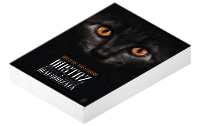

Nowa
Książka nowa.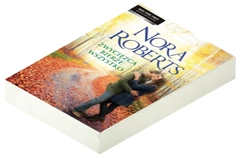
Używany - jak nowa
Niezauważalne lub prawie niezauważalne ślady używania. Książkę ciężko odróżnić od nowej pozycji.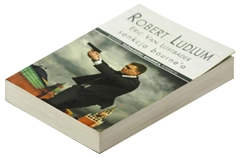
Używany - dobry
Normalne ślady używania wynikające z kartkowania podczas czytania, brak większych uszkodzeń lub zagięć.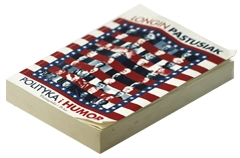
Używany - widoczne ślady użytkowania
zagięte rogi, przyniszczona okładka, książka posiada wszystkie strony.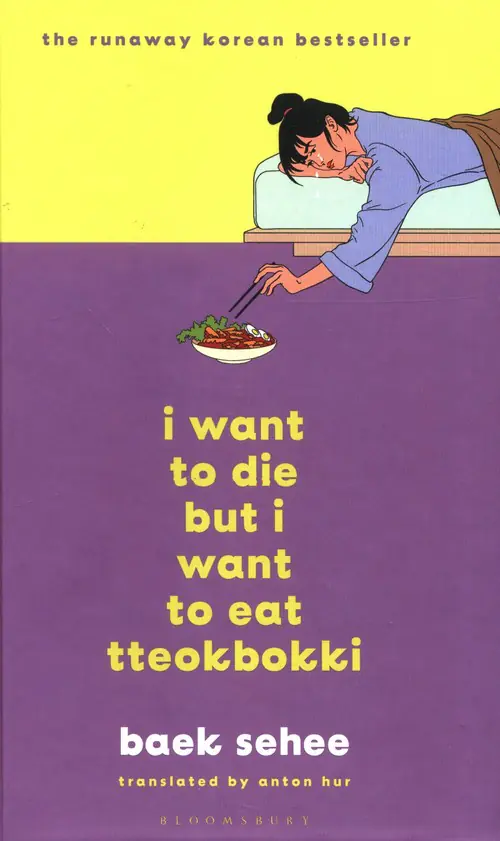
I Want to Die but I Want to Eat Tteokbokki
Masz tę lub inne książki?
Sprzedaj je u nas

The bestselling Korean book, skillfully translated by International Booker nominee Anton Hur, resonates deeply with those who find a disconnect between their public personas and true inner feelings. "Will strike a chord with anyone who feels that their public life is at odds with how they really feel inside," says Red. In this narrative, a psychiatrist asks, "So how can I help you?" and the protagonist replies, "I don't know, I'm – what’s the word – depressed? Do I have to go into detail?" Baek Sehee, a young and accomplished social media director at a publishing house, consults a psychiatrist about her state, often wondering if it's a case of depression. She frequently experiences feelings of hopelessness, anxiety, and self-doubt, paired with a tendency to judge others harshly. Despite these feelings, she maintains a composed facade at work and among friends, expertly managing the appearance her role requires. However, this façade is both exhausting and isolating, preventing her from cultivating meaningful relationships. Despite this bleakness, Baek is still able to derive joy from one thing: her love for tteokbokki, her favorite spicy rice cake. Perhaps this is a reflection of life’s complexity. Over a three-month period, she records her sessions with the psychiatrist, gradually unraveling the cycles of negative thought patterns and automatic responses that keep her trapped in self-destructive habits. As both a memoir and a guide for self-improvement, "I Want to Die but I Want to Eat Tteokbokki" serves as a comforting companion, especially during challenging times.
Wybierz stan zużycia:
WIĘCEJ O SKALI
The bestselling Korean book, skillfully translated by International Booker nominee Anton Hur, resonates deeply with those who find a disconnect between their public personas and true inner feelings. "Will strike a chord with anyone who feels that their public life is at odds with how they really feel inside," says Red. In this narrative, a psychiatrist asks, "So how can I help you?" and the protagonist replies, "I don't know, I'm – what’s the word – depressed? Do I have to go into detail?" Baek Sehee, a young and accomplished social media director at a publishing house, consults a psychiatrist about her state, often wondering if it's a case of depression. She frequently experiences feelings of hopelessness, anxiety, and self-doubt, paired with a tendency to judge others harshly. Despite these feelings, she maintains a composed facade at work and among friends, expertly managing the appearance her role requires. However, this façade is both exhausting and isolating, preventing her from cultivating meaningful relationships. Despite this bleakness, Baek is still able to derive joy from one thing: her love for tteokbokki, her favorite spicy rice cake. Perhaps this is a reflection of life’s complexity. Over a three-month period, she records her sessions with the psychiatrist, gradually unraveling the cycles of negative thought patterns and automatic responses that keep her trapped in self-destructive habits. As both a memoir and a guide for self-improvement, "I Want to Die but I Want to Eat Tteokbokki" serves as a comforting companion, especially during challenging times.
Szczegóły
Inne książki tych autorów

Podobne produkty
Może Ci się spodobać
Inne książki z tej samej kategorii

Napisz opinię o książce i wygraj nagrodę!
W każdym miesiącu wybieramy najlepsze opinie i nagradzamy recenzentów.
Dowiedz się więcejWartość nagród w tym miesiącu
880 zł
Dodaj swoją opinię
Zaloguj się na swoje konto, aby mieć możliwość dodawania opinii.
Czy chcesz zostawić tylko ocenę?
Dodanie samej oceny o książce nie jest brane pod uwagę podczas losowania nagród. By mieć szansę na otrzymanie nagrody musisz napisać opinię o książce.
Już oceniłeś/zrecenzowałeś te książkę w przeszłości.
Możliwe jest dodanie tylko jednej recenzji do każdej z książek.
Sposoby dostawy
Odbiór w punkcie (6)
InPost Paczkomat 24/7

13,99 zł
ORLEN Paczka

12,99 zł




Dostawa na adres (7)
GLS U Ciebie - Kurier

14,99 zł
Kurier DPD

14,99 zł





Sposoby płatności
Płatność z góry
Przedpłata

Zwykły przelew
