Stan książek
Nasze książki są dokładnie sprawdzone i jasno określamy stan każdej z nich.


Nowa
Książka nowa.
Używany - jak nowa
Niezauważalne lub prawie niezauważalne ślady używania. Książkę ciężko odróżnić od nowej pozycji.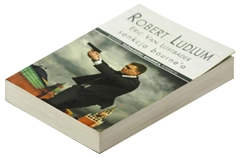
Używany - dobry
Normalne ślady używania wynikające z kartkowania podczas czytania, brak większych uszkodzeń lub zagięć.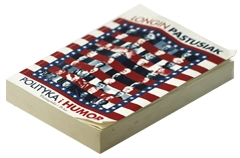
Używany - widoczne ślady użytkowania
zagięte rogi, przyniszczona okładka, książka posiada wszystkie strony.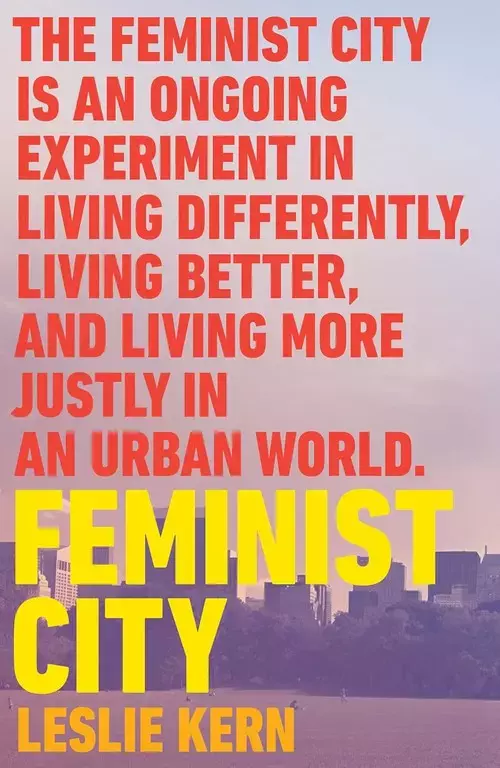
Feminist City: Claiming Space in a Man-Made World
Masz tę lub inne książki?
Sprzedaj je u nas

What characteristics should define a city designed for working women? Imagine an urban landscape filled with supportive friendships, transcending the realm of shows like "Sex and the City." Envision transportation systems that cater to mothers maneuvering strollers during school commutes, and public areas abundant with essential facilities like restrooms. Picture a space where women can navigate the streets without fear of harassment. Leslie Kern delves into historical narratives, personal stories, and elements of popular culture to reveal the often-overlooked social inequalities embedded within our urban environments, homes, and communities. She presents a reimagined perspective on urban spaces through a feminist, intersectional lens, suggesting that cities hold significant potential for crafting a new, equitable urban future. It's time to challenge and deconstruct the long-held assumptions about urban living, and collaboratively design cities that promote justice, sustainability, and compassion.
Wybierz stan zużycia:
WIĘCEJ O SKALI
What characteristics should define a city designed for working women? Imagine an urban landscape filled with supportive friendships, transcending the realm of shows like "Sex and the City." Envision transportation systems that cater to mothers maneuvering strollers during school commutes, and public areas abundant with essential facilities like restrooms. Picture a space where women can navigate the streets without fear of harassment. Leslie Kern delves into historical narratives, personal stories, and elements of popular culture to reveal the often-overlooked social inequalities embedded within our urban environments, homes, and communities. She presents a reimagined perspective on urban spaces through a feminist, intersectional lens, suggesting that cities hold significant potential for crafting a new, equitable urban future. It's time to challenge and deconstruct the long-held assumptions about urban living, and collaboratively design cities that promote justice, sustainability, and compassion.
Szczegóły
Inne książki: Leslie Kern

Podobne produkty
Może Ci się spodobać
Inne książki z tej samej kategorii

Napisz opinię o książce i wygraj nagrodę!
W każdym miesiącu wybieramy najlepsze opinie i nagradzamy recenzentów.
Dowiedz się więcejWartość nagród w tym miesiącu
880 zł
Dodaj swoją opinię
Zaloguj się na swoje konto, aby mieć możliwość dodawania opinii.
Czy chcesz zostawić tylko ocenę?
Dodanie samej oceny o książce nie jest brane pod uwagę podczas losowania nagród. By mieć szansę na otrzymanie nagrody musisz napisać opinię o książce.
Już oceniłeś/zrecenzowałeś te książkę w przeszłości.
Możliwe jest dodanie tylko jednej recenzji do każdej z książek.
Sposoby dostawy
Płatne z góry

InPost Paczkomaty 24/7
13.99 zł
Darmowa od 190 zł

ORLEN Paczka
12.99 zł
Darmowa od 190 zł

Automaty DHL BOX 24/7 i punkty POP
12.99 zł
Darmowa od 190 zł

DPD Pickup Automaty i Punkty Odbioru
9.99 zł
Darmowa od 190 zł

Automaty Orlen Paczka, sklepy Żabka i inne
12.99 zł
Darmowa od 190 zł

GLS U Ciebie - Kurier
14.99 zł
Darmowa od 190 zł

Kurier DPD
14.99 zł
Darmowa od 190 zł

Kurier InPost
14.99 zł
Darmowa od 190 zł

Pocztex Kurier
13.99 zł
Darmowa od 190 zł

Kurier DHL
14.99 zł
Darmowa od 190 zł

Kurier GLS - kraje UE
69.00 zł

Punkt odbioru (Dębica)
2.99 zł
Darmowa od 190 zł
Płatne przy odbiorze

Kurier GLS pobranie
23.99 zł
Sposoby płatności
Płatność z góry
Przedpłata

Zwykły przelew
