Stan książek
Nasze książki są dokładnie sprawdzone i jasno określamy stan każdej z nich.

Nowa
Książka nowa.
Używany - jak nowa
Niezauważalne lub prawie niezauważalne ślady używania. Książkę ciężko odróżnić od nowej pozycji.
Używany - dobry
Normalne ślady używania wynikające z kartkowania podczas czytania, brak większych uszkodzeń lub zagięć.
Używany - widoczne ślady użytkowania
zagięte rogi, przyniszczona okładka, książka posiada wszystkie strony.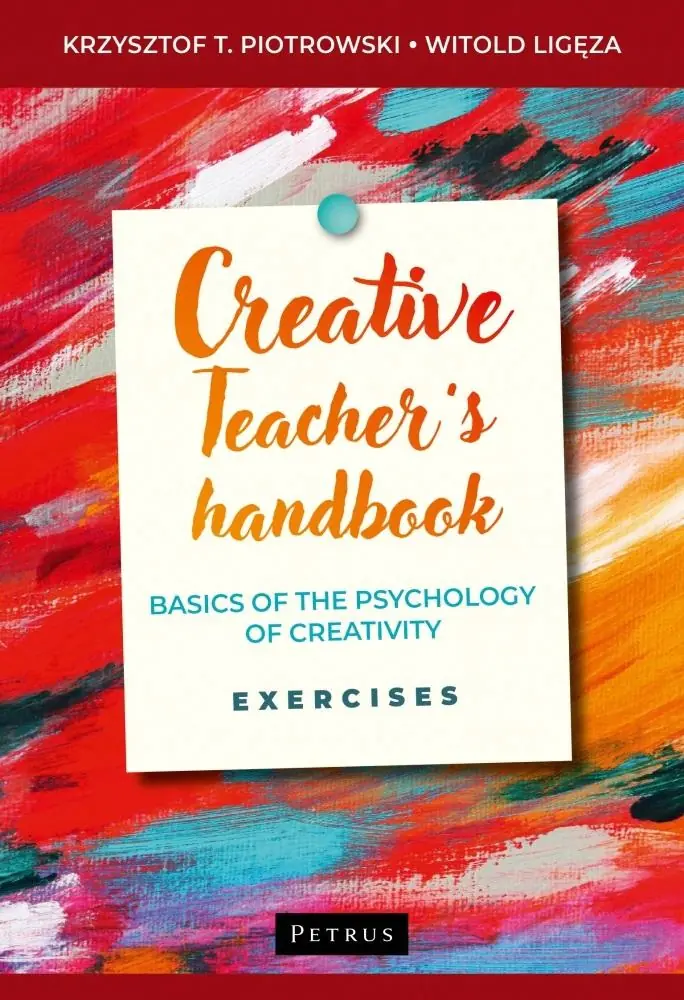
Creative teacher's handbook
Masz tę lub inne książki?
Sprzedaj je u nas

The book offers an engaging exploration into the foundational topics of creativity psychology and creativity education. It delivers insightful commentary on nearly every significant aspect of these fields, structured into a cohesive three-part format. The initial sections delve into the definitions and theoretical underpinnings of creativity, while later segments focus on exercises designed to enhance creative skills. The authors articulate key themes such as the creative process, attributes of creative work, traits of creative personalities, and the external factors influencing creativity development. Particularly notable is the discussion on the author’s vision for creative education goals, presenting a distinct perspective when compared to established educational taxonomies like B. Bloom’s. Additionally, a substantial section of the book serves as a practical guide, offering techniques to nurture specific creative abilities, effectively bridging the gap between theory and educational application.
Wybierz stan zużycia:
WIĘCEJ O SKALI
The book offers an engaging exploration into the foundational topics of creativity psychology and creativity education. It delivers insightful commentary on nearly every significant aspect of these fields, structured into a cohesive three-part format. The initial sections delve into the definitions and theoretical underpinnings of creativity, while later segments focus on exercises designed to enhance creative skills. The authors articulate key themes such as the creative process, attributes of creative work, traits of creative personalities, and the external factors influencing creativity development. Particularly notable is the discussion on the author’s vision for creative education goals, presenting a distinct perspective when compared to established educational taxonomies like B. Bloom’s. Additionally, a substantial section of the book serves as a practical guide, offering techniques to nurture specific creative abilities, effectively bridging the gap between theory and educational application.
Szczegóły
Dane producenta:
Inne książki tych autorów

Podobne produkty
Może Ci się spodobać
Inne książki z tej samej kategorii

Napisz opinię o książce i wygraj nagrodę!
W każdym miesiącu wybieramy najlepsze opinie i nagradzamy recenzentów.
Dowiedz się więcejWartość nagród w tym miesiącu
880 zł
Dodaj swoją opinię
Zaloguj się na swoje konto, aby mieć możliwość dodawania opinii.
Czy chcesz zostawić tylko ocenę?
Dodanie samej oceny o książce nie jest brane pod uwagę podczas losowania nagród. By mieć szansę na otrzymanie nagrody musisz napisać opinię o książce.
Już oceniłeś/zrecenzowałeś te książkę w przeszłości.
Możliwe jest dodanie tylko jednej recenzji do każdej z książek.
Sposoby dostawy
Odbiór w punkcie (7)
InPost Paczkomat 24/7

14,99 zł
DPD Pickup Automaty i Punkty Odbioru

10,49 zł





Dostawa na adres (7)
GLS U Ciebie - Kurier

14,99 zł
Kurier DPD

14,99 zł





Sposoby płatności
Płatność z góry
Przedpłata

Zwykły przelew
