Stan książek
Nasze książki są dokładnie sprawdzone i jasno określamy stan każdej z nich.
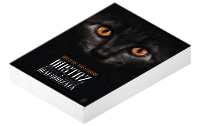

Nowa
Książka nowa.
Używany - jak nowa
Niezauważalne lub prawie niezauważalne ślady używania. Książkę ciężko odróżnić od nowej pozycji.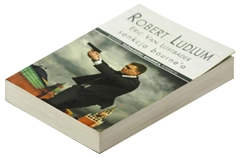
Używany - dobry
Normalne ślady używania wynikające z kartkowania podczas czytania, brak większych uszkodzeń lub zagięć.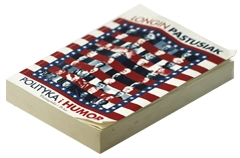
Używany - widoczne ślady użytkowania
zagięte rogi, przyniszczona okładka, książka posiada wszystkie strony.
Araki. Tokyo Lucky Hole
Masz tę lub inne książki?
Sprzedaj je u nas

In 1978, an unremarkable café near Kyoto became the center of attention when news spread that its waitresses weren't wearing underwear beneath their short skirts. This novelty quickly caught on, leading to similar venues appearing nationwide. Men queued eagerly, willing to pay thrice the usual coffee price for the experience of being served by scantily clad young women.
As the trend evolved, it gave rise to the no-panties "massage" parlors, offering increasingly eccentric services such as fondling through coffin-like structures and catering to commuter-train obsessions. Among these, a Tokyo establishment named "Lucky Hole" gained particular fame. Here, patrons would be separated from a hostess by a plywood barrier featuring an opening just large enough for intimate encounters.
Renowned photographer Nobuyoshi Araki adopted "Lucky Hole" as the title of his work, chronicling Japan's thriving sex industry. His collection, featuring over 800 images, captures the vibrant hedonism found in Tokyo’s Shinjuku district. This was just before the implementation of the New Amusement Business Control and Improvement Act in February 1985, which curtailed many of these establishments. Through reflections, sheets, bondage scenes, and wild gatherings, Araki’s photography presents a vivid endnote to an era of indulgence, interwoven with humor, stark elegance, and contemplative remarks.
Wybierz stan zużycia:
WIĘCEJ O SKALI
In 1978, an unremarkable café near Kyoto became the center of attention when news spread that its waitresses weren't wearing underwear beneath their short skirts. This novelty quickly caught on, leading to similar venues appearing nationwide. Men queued eagerly, willing to pay thrice the usual coffee price for the experience of being served by scantily clad young women.
As the trend evolved, it gave rise to the no-panties "massage" parlors, offering increasingly eccentric services such as fondling through coffin-like structures and catering to commuter-train obsessions. Among these, a Tokyo establishment named "Lucky Hole" gained particular fame. Here, patrons would be separated from a hostess by a plywood barrier featuring an opening just large enough for intimate encounters.
Renowned photographer Nobuyoshi Araki adopted "Lucky Hole" as the title of his work, chronicling Japan's thriving sex industry. His collection, featuring over 800 images, captures the vibrant hedonism found in Tokyo’s Shinjuku district. This was just before the implementation of the New Amusement Business Control and Improvement Act in February 1985, which curtailed many of these establishments. Through reflections, sheets, bondage scenes, and wild gatherings, Araki’s photography presents a vivid endnote to an era of indulgence, interwoven with humor, stark elegance, and contemplative remarks.
Szczegóły
Inne książki tych autorów

Podobne produkty
Może Ci się spodobać
Inne książki z tej samej kategorii

Napisz opinię o książce i wygraj nagrodę!
W każdym miesiącu wybieramy najlepsze opinie i nagradzamy recenzentów.
Dowiedz się więcejWartość nagród w tym miesiącu
880 zł
Dodaj swoją opinię
Zaloguj się na swoje konto, aby mieć możliwość dodawania opinii.
Czy chcesz zostawić tylko ocenę?
Dodanie samej oceny o książce nie jest brane pod uwagę podczas losowania nagród. By mieć szansę na otrzymanie nagrody musisz napisać opinię o książce.
Już oceniłeś/zrecenzowałeś te książkę w przeszłości.
Możliwe jest dodanie tylko jednej recenzji do każdej z książek.
Sposoby dostawy
Płatne z góry

InPost Paczkomaty 24/7
13.99 zł
Darmowa od 190 zł

ORLEN Paczka
12.99 zł
Darmowa od 190 zł

Automaty DHL BOX 24/7 i punkty POP
12.99 zł
Darmowa od 190 zł

DPD Pickup Automaty i Punkty Odbioru
9.99 zł
Darmowa od 190 zł

Automaty Orlen Paczka, sklepy Żabka i inne
12.99 zł
Darmowa od 190 zł

GLS U Ciebie - Kurier
14.99 zł
Darmowa od 190 zł

Kurier DPD
14.99 zł
Darmowa od 190 zł

Kurier InPost
14.99 zł
Darmowa od 190 zł

Pocztex Kurier
13.99 zł
Darmowa od 190 zł

Kurier DHL
14.99 zł
Darmowa od 190 zł

Kurier GLS - kraje UE
69.00 zł

Punkt odbioru (Dębica)
2.99 zł
Darmowa od 190 zł
Płatne przy odbiorze

Kurier GLS pobranie
23.99 zł
Sposoby płatności
Płatność z góry
Przedpłata

Zwykły przelew
