Stan książek
Nasze książki są dokładnie sprawdzone i jasno określamy stan każdej z nich.
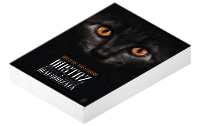

Nowa
Książka nowa.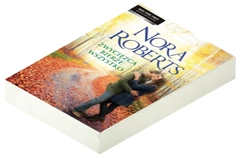
Używany - jak nowa
Niezauważalne lub prawie niezauważalne ślady używania. Książkę ciężko odróżnić od nowej pozycji.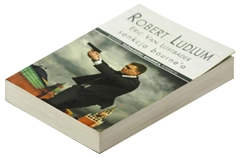
Używany - dobry
Normalne ślady używania wynikające z kartkowania podczas czytania, brak większych uszkodzeń lub zagięć.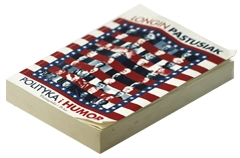
Używany - widoczne ślady użytkowania
zagięte rogi, przyniszczona okładka, książka posiada wszystkie strony.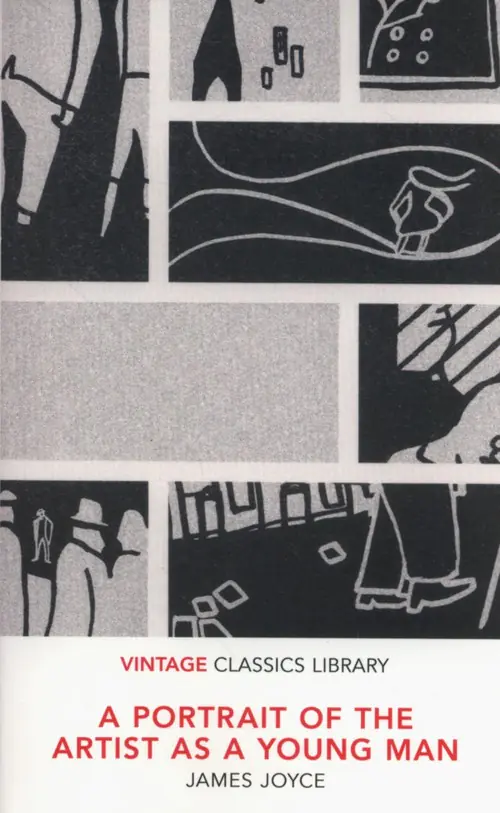
A portrait of the artist
Masz tę lub inne książki?
Sprzedaj je u nas

Set in the vibrant yet restrictive environment of nineteenth-century Dublin, a young boy navigates his journey into manhood. As he matures, his mind undergoes a process of self-discovery, grappling with various obsessions that come and go. The familiar pillars of family, tradition, nation, and religion initially offer guidance but soon begin to feel like constraints. In this transformative journey, the young man ultimately dedicates himself to the pursuit of beauty and artistic freedom, striving for independence in both his life and creative expression.
Wybierz stan zużycia:
WIĘCEJ O SKALI
Set in the vibrant yet restrictive environment of nineteenth-century Dublin, a young boy navigates his journey into manhood. As he matures, his mind undergoes a process of self-discovery, grappling with various obsessions that come and go. The familiar pillars of family, tradition, nation, and religion initially offer guidance but soon begin to feel like constraints. In this transformative journey, the young man ultimately dedicates himself to the pursuit of beauty and artistic freedom, striving for independence in both his life and creative expression.
Szczegóły
Inne książki: James Joyce

Podobne produkty
Może Ci się spodobać
Inne książki z tej samej kategorii

Napisz opinię o książce i wygraj nagrodę!
W każdym miesiącu wybieramy najlepsze opinie i nagradzamy recenzentów.
Dowiedz się więcejWartość nagród w tym miesiącu
880 zł
 Opinia użytkownika sklepu
In James Joyce's seminal work, "A Portrait of the Artist as a Young Man," readers are transported to nineteenth-century Dublin, where the journey of a young boy into adulthood unfolds against a rich tapestry of social, cultural, and religious complexities. Through vivid prose and intricate storytelling, Joyce paints a compelling portrait of the protagonist's evolution from innocence to self-realization.
The narrative follows the protagonist, Stephen Dedalus, as he navigates the tumultuous waters of youth, grappling with the conflicting forces that shape his identity. From the constraints of family and tradition to the influence of religion and nationality, Stephen confronts the myriad expectations and obligations imposed upon him by society. As he matures, Stephen's quest for self-discovery leads him to question these conventions, ultimately striving to break free from their stifling grasp. Central to the novel is Stephen's relentless pursuit of artistic expression and individuality. As he delves deeper into the realms of art and aesthetics, Stephen finds solace and meaning in the pursuit of beauty, transcending the mundane realities of his surroundings. His journey mirrors the universal struggle to reconcile personal aspirations with societal norms, offering poignant insights into the human condition. Throughout the novel, Joyce's masterful prose captivates readers with its lyrical beauty and profound introspection. His evocative descriptions and stream-of-consciousness narrative style immerse readers in Stephen's inner world, inviting them to experience the tumultuous emotions and existential dilemmas that define his journey.
The characters in "A Portrait of the Artist as a Young Man" are intricately drawn, each contributing to the rich tapestry of Stephen's life. From the enigmatic figure of Stephen himself to the colorful array of supporting characters, Joyce breathes life into his creations, weaving a complex web of relationships and experiences that resonate with authenticity and depth. Emotionally, the novel evokes a wide range of feelings, from the poignant nostalgia of youth to the exhilarating freedom of self-discovery. Readers are swept up in Stephen's struggles and triumphs, experiencing his joys and sorrows as if they were their own. Through moments of introspection and revelation, Joyce invites readers to reflect on their own journey of self-discovery and the transformative power of art. Joyce's writing style is characterized by its richness and complexity, marked by intricate wordplay and symbolic imagery. His prose is at once poetic and profound, challenging readers to unravel its layers of meaning and interpretation. Through his innovative use of language and narrative technique, Joyce creates a world that is both immersive and intellectually stimulating, inviting readers to engage with his work on multiple levels. What sets "A Portrait of the Artist as a Young Man" apart is its fearless exploration of the human psyche and its unflinching portrayal of the complexities of identity and self-expression. Joyce's groundbreaking novel continues to resonate with readers today, its themes of alienation, rebellion, and artistic ambition speaking to the universal quest for authenticity and meaning. Critically acclaimed upon its publication, "A Portrait of the Artist as a Young Man" has since garnered widespread praise and recognition for its literary merit and enduring relevance. Scholars and readers alike have lauded Joyce's innovative narrative techniques and profound insights into the human condition, cementing its status as a literary masterpiece.
"A Portrait of the Artist as a Young Man" is a compelling exploration of youth, identity, and artistic ambition, rendered with lyrical beauty and profound insight. James Joyce's magnum opus continues to captivate and inspire readers with its timeless themes and innovative storytelling, making it essential reading for anyone seeking to understand the complexities of the human experience. Highly recommended for those who appreciate thought-provoking literature that challenges conventions and expands the boundaries of the imagination.
Dodaj swoją opinię
Zaloguj się na swoje konto, aby mieć możliwość dodawania opinii.
Czy chcesz zostawić tylko ocenę?
Dodanie samej oceny o książce nie jest brane pod uwagę podczas losowania nagród. By mieć szansę na otrzymanie nagrody musisz napisać opinię o książce.
Już oceniłeś/zrecenzowałeś te książkę w przeszłości.
Możliwe jest dodanie tylko jednej recenzji do każdej z książek.
Sposoby dostawy
Płatne z góry

InPost Paczkomaty 24/7
13.99 zł
Darmowa od 190 zł

ORLEN Paczka
12.99 zł
Darmowa od 190 zł

Automaty DHL BOX 24/7 i punkty POP
12.99 zł
Darmowa od 190 zł

DPD Pickup Automaty i Punkty Odbioru
9.99 zł
Darmowa od 190 zł

Automaty Orlen Paczka, sklepy Żabka i inne
12.99 zł
Darmowa od 190 zł

GLS U Ciebie - Kurier
14.99 zł
Darmowa od 190 zł

Kurier DPD
14.99 zł
Darmowa od 190 zł

Kurier InPost
14.99 zł
Darmowa od 190 zł

Pocztex Kurier
13.99 zł
Darmowa od 190 zł

Kurier DHL
14.99 zł
Darmowa od 190 zł

Kurier GLS - kraje UE
69.00 zł

Punkt odbioru (Dębica)
2.99 zł
Darmowa od 190 zł
Płatne przy odbiorze

Kurier GLS pobranie
23.99 zł
Sposoby płatności
Płatność z góry
Przedpłata

Zwykły przelew
