Stan książek
Nasze książki są dokładnie sprawdzone i jasno określamy stan każdej z nich.
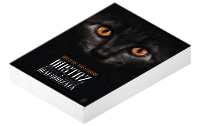

Nowa
Książka nowa.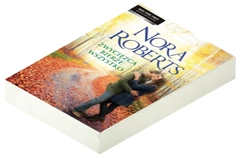
Używany - jak nowa
Niezauważalne lub prawie niezauważalne ślady używania. Książkę ciężko odróżnić od nowej pozycji.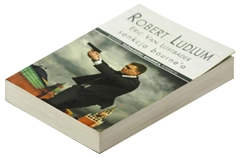
Używany - dobry
Normalne ślady używania wynikające z kartkowania podczas czytania, brak większych uszkodzeń lub zagięć.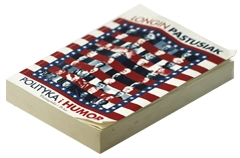
Używany - widoczne ślady użytkowania
zagięte rogi, przyniszczona okładka, książka posiada wszystkie strony.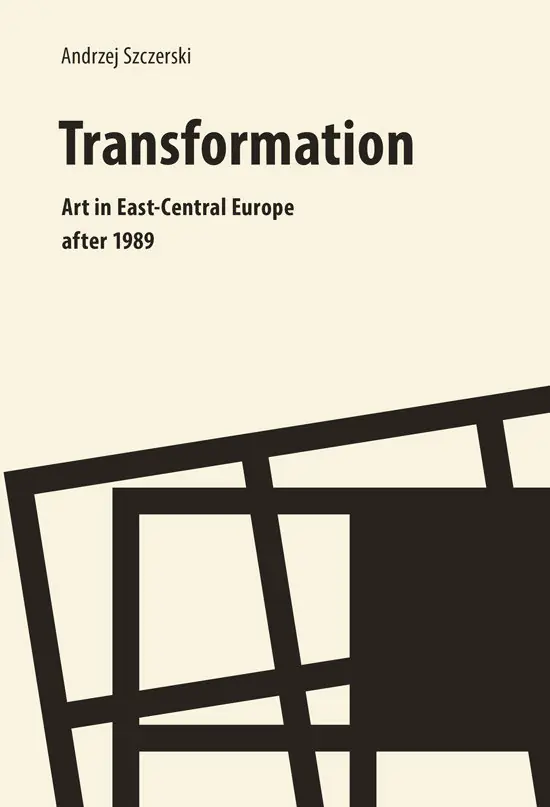
Transformation
Masz tę lub inne książki?
Sprzedaj je u nas

The year 1989 was a pivotal moment, marking the close of an era and the dawn of a new chapter characterized by post-communist transformation. During this period, numerous former Eastern Bloc nations initiated similar transitions, opting for free elections, reclaiming their sovereignty, embracing democracy, and shifting towards free-market capitalism. This transformative phase in the latter half of 1989 was famously dubbed the "Autumn of Nations," signifying the comprehensive liberation of East-Central Europe from Soviet control. Within two years, the Soviet Union itself disintegrated, heralding the conclusion of the Cold War in Europe. This new era brought with it not just political and economic shifts, but significant cultural changes that led to the restoration of individual liberties, civil rights, and the rejuvenation of national identities within a more integrated European community. Culture emerged as a catalyst for change as censorship was lifted, communist monuments were taken down, and streets were given new names. The radical cultural upheavals left a significant imprint on the art of the time, influencing its ideology and the mechanisms of institutional support for artists. Many artists actively participated in these changes, producing works that reflected on contemporary events or suggested paths for the ongoing transformation. Some artists took a more observational role, focusing on the diverse historical and cultural contexts shaped by the unique identities of countries, regions, or artistic hubs. Moreover, contemporary art played a crucial role in shaping the collective memory of the communist era, provoking dialogue about the past and considering the lasting impact of its legacy. Art produced in these conditions and associated with the post-1989 transition, including themes of democracy and a free-market economy, is collectively referred to as "art of the transformation," and this forms the focus of the publication.
Wybierz stan zużycia:
WIĘCEJ O SKALI
The year 1989 was a pivotal moment, marking the close of an era and the dawn of a new chapter characterized by post-communist transformation. During this period, numerous former Eastern Bloc nations initiated similar transitions, opting for free elections, reclaiming their sovereignty, embracing democracy, and shifting towards free-market capitalism. This transformative phase in the latter half of 1989 was famously dubbed the "Autumn of Nations," signifying the comprehensive liberation of East-Central Europe from Soviet control. Within two years, the Soviet Union itself disintegrated, heralding the conclusion of the Cold War in Europe. This new era brought with it not just political and economic shifts, but significant cultural changes that led to the restoration of individual liberties, civil rights, and the rejuvenation of national identities within a more integrated European community. Culture emerged as a catalyst for change as censorship was lifted, communist monuments were taken down, and streets were given new names. The radical cultural upheavals left a significant imprint on the art of the time, influencing its ideology and the mechanisms of institutional support for artists. Many artists actively participated in these changes, producing works that reflected on contemporary events or suggested paths for the ongoing transformation. Some artists took a more observational role, focusing on the diverse historical and cultural contexts shaped by the unique identities of countries, regions, or artistic hubs. Moreover, contemporary art played a crucial role in shaping the collective memory of the communist era, provoking dialogue about the past and considering the lasting impact of its legacy. Art produced in these conditions and associated with the post-1989 transition, including themes of democracy and a free-market economy, is collectively referred to as "art of the transformation," and this forms the focus of the publication.
Szczegóły
Dane producenta:
Inne książki: Andrzej Szczerski

Podobne produkty
Może Ci się spodobać
Inne książki z tej samej kategorii

Napisz opinię o książce i wygraj nagrodę!
W każdym miesiącu wybieramy najlepsze opinie i nagradzamy recenzentów.
Dowiedz się więcejWartość nagród w tym miesiącu
880 zł
Dodaj swoją opinię
Zaloguj się na swoje konto, aby mieć możliwość dodawania opinii.
Czy chcesz zostawić tylko ocenę?
Dodanie samej oceny o książce nie jest brane pod uwagę podczas losowania nagród. By mieć szansę na otrzymanie nagrody musisz napisać opinię o książce.
Już oceniłeś/zrecenzowałeś te książkę w przeszłości.
Możliwe jest dodanie tylko jednej recenzji do każdej z książek.
Sposoby dostawy
Odbiór w punkcie (7)
InPost Paczkomat 24/7

14,99 zł
DPD Pickup Automaty i Punkty Odbioru

10,49 zł




Dostawa na adres (7)
GLS U Ciebie - Kurier

14,99 zł
Kurier DPD

14,99 zł





Sposoby płatności
Płatność z góry
Przedpłata

Zwykły przelew
