Stan książek
Nasze książki są dokładnie sprawdzone i jasno określamy stan każdej z nich.
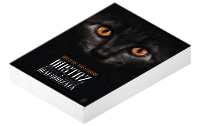

Nowa
Książka nowa.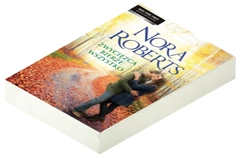
Używany - jak nowa
Niezauważalne lub prawie niezauważalne ślady używania. Książkę ciężko odróżnić od nowej pozycji.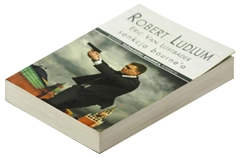
Używany - dobry
Normalne ślady używania wynikające z kartkowania podczas czytania, brak większych uszkodzeń lub zagięć.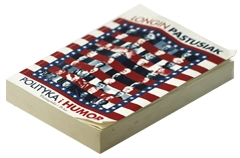
Używany - widoczne ślady użytkowania
zagięte rogi, przyniszczona okładka, książka posiada wszystkie strony.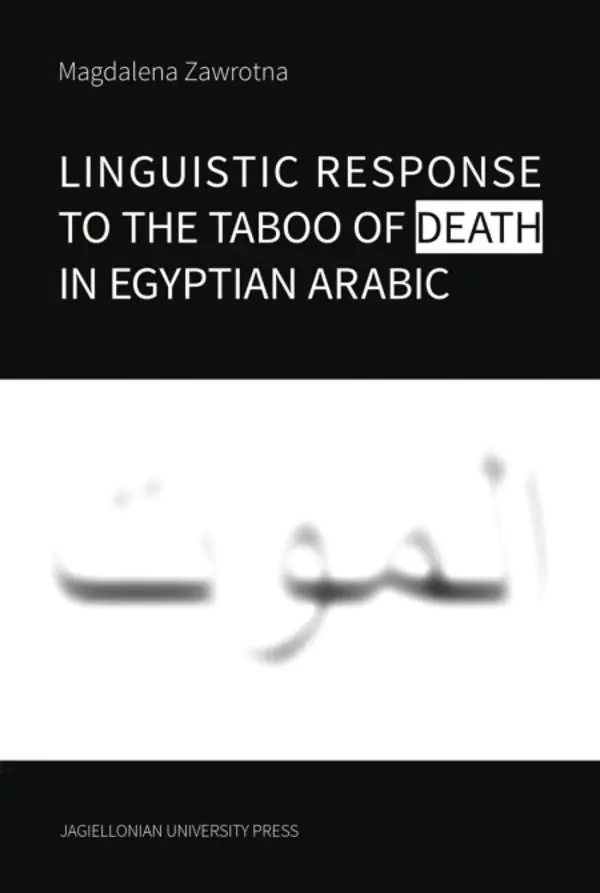
Linguistic Response to the Taboo of Death..
Masz tę lub inne książki?
Sprzedaj je u nas

When Egyptians encounter the fear of death or its taboo, they often turn to their faith, believing that divine intervention will safeguard them. In moments of such uncertainty, they embrace religious phrases, drawing upon a seemingly infinite array of protective and comforting incantations. The pivotal role of religion in Egyptian social interactions cannot be overstated, as it not only governs interpersonal relationships but also helps to address deep-seated anxieties. These religious expressions encapsulate intricate cultural meanings, reflecting complex, recurring sociocultural situations, emphasizing their significance. This study views these formulaic expressions as vital in examining how Egyptians respond to the concept of death taboo.
Dr. Magdalena Zawrotna is an expert in Arabic philology, having graduated from the Jagiellonian University. Her academic journey includes studies at the University of Cairo and a PhD in linguistics completed in Cracow. Dr. Zawrotna specializes in Egyptian Arabic, English-Arabic code-switching, and online language use. Additionally, she is active in translating and teaching Arabic while conducting research in Cairo. Presently, she is affiliated with the Institute of Oriental Studies at the Jagiellonian University, where she instructs students in Modern Standard Arabic (MSA), the Egyptian dialect, and translation practices.
Wybierz stan zużycia:
WIĘCEJ O SKALI
When Egyptians encounter the fear of death or its taboo, they often turn to their faith, believing that divine intervention will safeguard them. In moments of such uncertainty, they embrace religious phrases, drawing upon a seemingly infinite array of protective and comforting incantations. The pivotal role of religion in Egyptian social interactions cannot be overstated, as it not only governs interpersonal relationships but also helps to address deep-seated anxieties. These religious expressions encapsulate intricate cultural meanings, reflecting complex, recurring sociocultural situations, emphasizing their significance. This study views these formulaic expressions as vital in examining how Egyptians respond to the concept of death taboo.
Dr. Magdalena Zawrotna is an expert in Arabic philology, having graduated from the Jagiellonian University. Her academic journey includes studies at the University of Cairo and a PhD in linguistics completed in Cracow. Dr. Zawrotna specializes in Egyptian Arabic, English-Arabic code-switching, and online language use. Additionally, she is active in translating and teaching Arabic while conducting research in Cairo. Presently, she is affiliated with the Institute of Oriental Studies at the Jagiellonian University, where she instructs students in Modern Standard Arabic (MSA), the Egyptian dialect, and translation practices.
Szczegóły
Dane producenta:
Inne książki tych autorów

Podobne produkty
Może Ci się spodobać
Inne książki z tej samej kategorii

Napisz opinię o książce i wygraj nagrodę!
W każdym miesiącu wybieramy najlepsze opinie i nagradzamy recenzentów.
Dowiedz się więcejWartość nagród w tym miesiącu
880 zł
Dodaj swoją opinię
Zaloguj się na swoje konto, aby mieć możliwość dodawania opinii.
Czy chcesz zostawić tylko ocenę?
Dodanie samej oceny o książce nie jest brane pod uwagę podczas losowania nagród. By mieć szansę na otrzymanie nagrody musisz napisać opinię o książce.
Już oceniłeś/zrecenzowałeś te książkę w przeszłości.
Możliwe jest dodanie tylko jednej recenzji do każdej z książek.
Sposoby dostawy
Płatne z góry

InPost Paczkomaty 24/7
13.99 zł
Darmowa od 190 zł

ORLEN Paczka
12.99 zł
Darmowa od 190 zł

Automaty DHL BOX 24/7 i punkty POP
12.99 zł
Darmowa od 190 zł

DPD Pickup Automaty i Punkty Odbioru
9.99 zł
Darmowa od 190 zł
Automaty Orlen Paczka, sklepy Żabka i inne
12.99 zł
Darmowa od 190 zł

GLS U Ciebie - Kurier
14.99 zł
Darmowa od 190 zł

Kurier DPD
14.99 zł
Darmowa od 190 zł

Kurier InPost
14.99 zł
Darmowa od 190 zł

Pocztex Kurier
13.99 zł
Darmowa od 190 zł

Kurier DHL
14.99 zł
Darmowa od 190 zł

Kurier GLS - kraje UE
69.00 zł

Punkt odbioru (Dębica)
2.99 zł
Darmowa od 190 zł
Płatne przy odbiorze

Kurier GLS pobranie
23.99 zł
Sposoby płatności
Płatność z góry
Przedpłata

Zwykły przelew
