Stan książek
Nasze książki są dokładnie sprawdzone i jasno określamy stan każdej z nich.
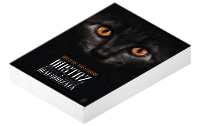

Nowa
Książka nowa.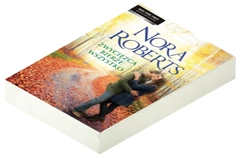
Używany - jak nowa
Niezauważalne lub prawie niezauważalne ślady używania. Książkę ciężko odróżnić od nowej pozycji.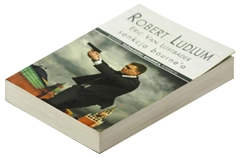
Używany - dobry
Normalne ślady używania wynikające z kartkowania podczas czytania, brak większych uszkodzeń lub zagięć.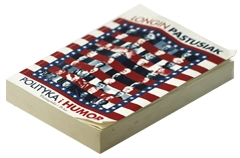
Używany - widoczne ślady użytkowania
zagięte rogi, przyniszczona okładka, książka posiada wszystkie strony.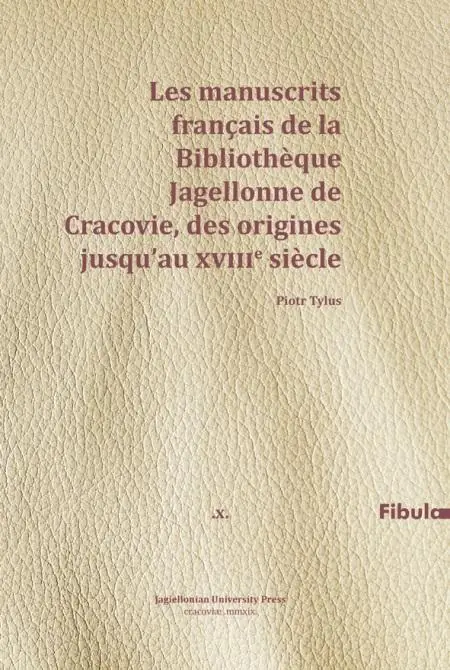
Les manuscrits francais de la Bibliothque...
Masz tę lub inne książki?
Sprzedaj je u nas

This book delves into the state of (post-)modern comparative literature while defining its role within the media-driven, multicultural world. The author explores the discipline—often perceived as lacking fixed boundaries—through an expansive lens. He traces its roots back to nineteenth-century ideas, spotlighting contributions from early French comparative literary scholars, Goethe's concept of Weltliteratur, and H. von Meltzl's institutional works. Additionally, he examines contemporary approaches from Western European and U.S. scholars such as G. Steiner, S. Bassnett, G.Ch. Spivak, E. Apter, and D. Damrosch. The evolution of the field is narrated through vivid metaphors like the Eiffel Tower, the World Trade Center, and the Tower of Babel. By critically engaging with diverse proposals from comparative literature experts and those studying intermedial and intercultural dynamics, the book presents a refreshed perspective on comparative literature. Rather than focusing on expanding institutional structures, modern comparative literature is depicted as a practice of interpretation firmly rooted in everyday life experiences. This intercultural lens offers expansive possibilities for comparative literary studies in the twenty-first century.
Wybierz stan zużycia:
WIĘCEJ O SKALI
This book delves into the state of (post-)modern comparative literature while defining its role within the media-driven, multicultural world. The author explores the discipline—often perceived as lacking fixed boundaries—through an expansive lens. He traces its roots back to nineteenth-century ideas, spotlighting contributions from early French comparative literary scholars, Goethe's concept of Weltliteratur, and H. von Meltzl's institutional works. Additionally, he examines contemporary approaches from Western European and U.S. scholars such as G. Steiner, S. Bassnett, G.Ch. Spivak, E. Apter, and D. Damrosch. The evolution of the field is narrated through vivid metaphors like the Eiffel Tower, the World Trade Center, and the Tower of Babel. By critically engaging with diverse proposals from comparative literature experts and those studying intermedial and intercultural dynamics, the book presents a refreshed perspective on comparative literature. Rather than focusing on expanding institutional structures, modern comparative literature is depicted as a practice of interpretation firmly rooted in everyday life experiences. This intercultural lens offers expansive possibilities for comparative literary studies in the twenty-first century.
Szczegóły
Dane producenta:
Inne książki: Piotr Tylus

Podobne produkty
Może Ci się spodobać
Inne książki z tej samej kategorii

Napisz opinię o książce i wygraj nagrodę!
W każdym miesiącu wybieramy najlepsze opinie i nagradzamy recenzentów.
Dowiedz się więcejWartość nagród w tym miesiącu
880 zł
Dodaj swoją opinię
Zaloguj się na swoje konto, aby mieć możliwość dodawania opinii.
Czy chcesz zostawić tylko ocenę?
Dodanie samej oceny o książce nie jest brane pod uwagę podczas losowania nagród. By mieć szansę na otrzymanie nagrody musisz napisać opinię o książce.
Już oceniłeś/zrecenzowałeś te książkę w przeszłości.
Możliwe jest dodanie tylko jednej recenzji do każdej z książek.
Sposoby dostawy
Płatne z góry

InPost Paczkomaty 24/7
13.99 zł
Darmowa od 190 zł

ORLEN Paczka
12.99 zł
Darmowa od 190 zł

Automaty DHL BOX 24/7 i punkty POP
12.99 zł
Darmowa od 190 zł

DPD Pickup Automaty i Punkty Odbioru
9.99 zł
Darmowa od 190 zł

Automaty Orlen Paczka, sklepy Żabka i inne
12.99 zł
Darmowa od 190 zł

GLS U Ciebie - Kurier
14.99 zł
Darmowa od 190 zł

Kurier DPD
14.99 zł
Darmowa od 190 zł

Kurier InPost
14.99 zł
Darmowa od 190 zł

Pocztex Kurier
13.99 zł
Darmowa od 190 zł

Kurier DHL
14.99 zł
Darmowa od 190 zł

Kurier GLS - kraje UE
69.00 zł

Punkt odbioru (Dębica)
2.99 zł
Darmowa od 190 zł
Płatne przy odbiorze

Kurier GLS pobranie
23.99 zł
Sposoby płatności
Płatność z góry
Przedpłata

Zwykły przelew
