Stan książek
Nasze książki są dokładnie sprawdzone i jasno określamy stan każdej z nich.


Nowa
Książka nowa.
Używany - jak nowa
Niezauważalne lub prawie niezauważalne ślady używania. Książkę ciężko odróżnić od nowej pozycji.
Używany - dobry
Normalne ślady używania wynikające z kartkowania podczas czytania, brak większych uszkodzeń lub zagięć.
Używany - widoczne ślady użytkowania
zagięte rogi, przyniszczona okładka, książka posiada wszystkie strony.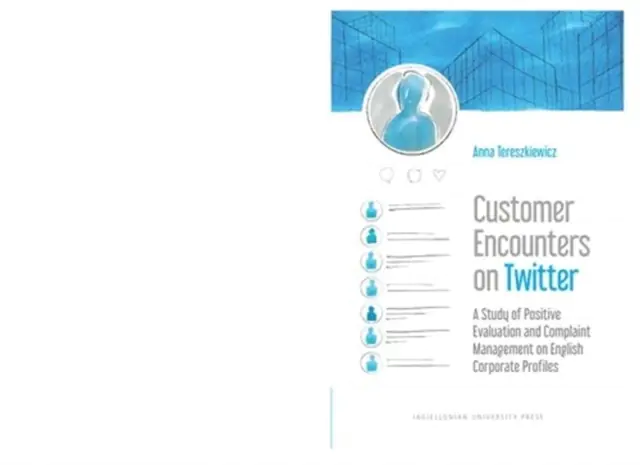
Customer Encounters on Twitter
Masz tę lub inne książki?
Sprzedaj je u nas

The book examines the characteristics of customer interactions on brand profiles on Twitter. Initially, it explores the role of social media in corporate communication, with a special focus on Twitter, defining customer encounters as a unique form of interaction. It also reviews existing research in this communication domain. Moving on, the second section delves into corporate Twitter profiles and the nature of customer engagements that occur there. The author analyzes consumer messages that include both positive feedback and complaints, detailing the strategies companies employ in addressing both favorable and critical evaluations. Additionally, the book provides insights into conventional politeness tactics used during these interactions, along with an analysis of the lexical and syntactic features of tweets. Overall, the discussion underscores Twitter’s significance as a tool for managing brand image and engaging with customers.
Wybierz stan zużycia:
WIĘCEJ O SKALI
The book examines the characteristics of customer interactions on brand profiles on Twitter. Initially, it explores the role of social media in corporate communication, with a special focus on Twitter, defining customer encounters as a unique form of interaction. It also reviews existing research in this communication domain. Moving on, the second section delves into corporate Twitter profiles and the nature of customer engagements that occur there. The author analyzes consumer messages that include both positive feedback and complaints, detailing the strategies companies employ in addressing both favorable and critical evaluations. Additionally, the book provides insights into conventional politeness tactics used during these interactions, along with an analysis of the lexical and syntactic features of tweets. Overall, the discussion underscores Twitter’s significance as a tool for managing brand image and engaging with customers.
Szczegóły
Dane producenta:
Inne książki: Anna Tereszkiewicz

Podobne produkty
Może Ci się spodobać
Inne książki z tej samej kategorii

Napisz opinię o książce i wygraj nagrodę!
W każdym miesiącu wybieramy najlepsze opinie i nagradzamy recenzentów.
Dowiedz się więcejWartość nagród w tym miesiącu
880 zł
Dodaj swoją opinię
Zaloguj się na swoje konto, aby mieć możliwość dodawania opinii.
Czy chcesz zostawić tylko ocenę?
Dodanie samej oceny o książce nie jest brane pod uwagę podczas losowania nagród. By mieć szansę na otrzymanie nagrody musisz napisać opinię o książce.
Już oceniłeś/zrecenzowałeś te książkę w przeszłości.
Możliwe jest dodanie tylko jednej recenzji do każdej z książek.
Sposoby dostawy
Odbiór w punkcie (7)
InPost Paczkomat 24/7

14,99 zł
DPD Pickup Automaty i Punkty Odbioru

10,49 zł





Dostawa na adres (7)
GLS U Ciebie - Kurier

14,99 zł
Kurier DPD

14,99 zł





Sposoby płatności
Płatność z góry
Przedpłata

Zwykły przelew
