Stan książek
Nasze książki są dokładnie sprawdzone i jasno określamy stan każdej z nich.


Nowa
Książka nowa.
Używany - jak nowa
Niezauważalne lub prawie niezauważalne ślady używania. Książkę ciężko odróżnić od nowej pozycji.
Używany - dobry
Normalne ślady używania wynikające z kartkowania podczas czytania, brak większych uszkodzeń lub zagięć.
Używany - widoczne ślady użytkowania
zagięte rogi, przyniszczona okładka, książka posiada wszystkie strony.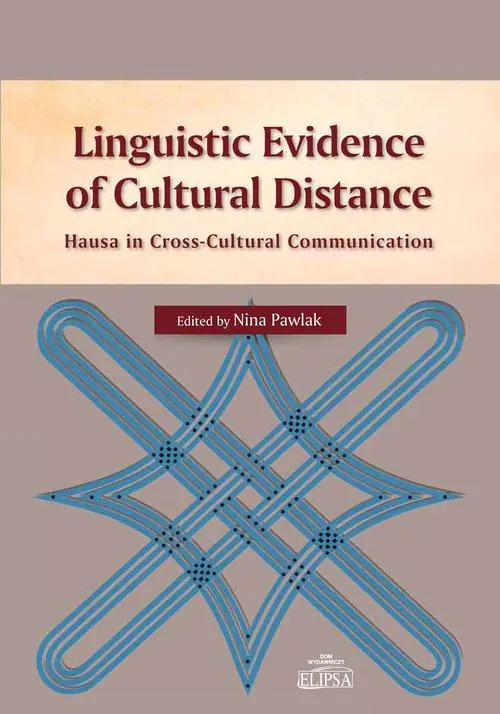
Linguistic Evidence of Cultural Distance
Masz tę lub inne książki?
Sprzedaj je u nas

The volume offers an in-depth examination of the current research on the Hausa language, with a focus on the cultural influences evident in its vocabulary, idiomatic expressions, and pragmatic language structures during communication. This work is an invaluable resource for scholars studying Hausa and its relationships with other languages. Featuring contributions from both renowned figures in Hausa and African linguistics, as well as emerging scholars in the field, the volume introduces fresh perspectives to Hausa studies. It signifies a new direction in exploring the intersections of language, literature, and culture between the Hausa and the communities they represent. The insights provided by the authors pave the way for further exploration by contemporary Hausa researchers and serve as an outstanding addition to the body of work on Hausa linguistics and cultural studies.
Wybierz stan zużycia:
WIĘCEJ O SKALI
The volume offers an in-depth examination of the current research on the Hausa language, with a focus on the cultural influences evident in its vocabulary, idiomatic expressions, and pragmatic language structures during communication. This work is an invaluable resource for scholars studying Hausa and its relationships with other languages. Featuring contributions from both renowned figures in Hausa and African linguistics, as well as emerging scholars in the field, the volume introduces fresh perspectives to Hausa studies. It signifies a new direction in exploring the intersections of language, literature, and culture between the Hausa and the communities they represent. The insights provided by the authors pave the way for further exploration by contemporary Hausa researchers and serve as an outstanding addition to the body of work on Hausa linguistics and cultural studies.
Szczegóły
Inne książki tych autorów

Podobne produkty
Może Ci się spodobać
Inne książki z tej samej kategorii

Napisz opinię o książce i wygraj nagrodę!
W każdym miesiącu wybieramy najlepsze opinie i nagradzamy recenzentów.
Dowiedz się więcejWartość nagród w tym miesiącu
880 zł
Dodaj swoją opinię
Zaloguj się na swoje konto, aby mieć możliwość dodawania opinii.
Czy chcesz zostawić tylko ocenę?
Dodanie samej oceny o książce nie jest brane pod uwagę podczas losowania nagród. By mieć szansę na otrzymanie nagrody musisz napisać opinię o książce.
Już oceniłeś/zrecenzowałeś te książkę w przeszłości.
Możliwe jest dodanie tylko jednej recenzji do każdej z książek.
Sposoby dostawy
Płatne z góry

InPost Paczkomaty 24/7
13.99 zł
Darmowa od 190 zł

ORLEN Paczka
12.99 zł
Darmowa od 190 zł

Automaty DHL BOX 24/7 i punkty POP
12.99 zł
Darmowa od 190 zł

DPD Pickup Automaty i Punkty Odbioru
9.99 zł
Darmowa od 190 zł

Automaty Orlen Paczka, sklepy Żabka i inne
12.99 zł
Darmowa od 190 zł

GLS U Ciebie - Kurier
14.99 zł
Darmowa od 190 zł

Kurier DPD
14.99 zł
Darmowa od 190 zł

Kurier InPost
14.99 zł
Darmowa od 190 zł

Pocztex Kurier
13.99 zł
Darmowa od 190 zł

Kurier DHL
14.99 zł
Darmowa od 190 zł

Kurier GLS - kraje UE
69.00 zł

Punkt odbioru (Dębica)
2.99 zł
Darmowa od 190 zł
Płatne przy odbiorze

Kurier GLS pobranie
23.99 zł
Sposoby płatności
Płatność z góry
Przedpłata

Zwykły przelew
