Stan książek
Nasze książki są dokładnie sprawdzone i jasno określamy stan każdej z nich.


Nowa
Książka nowa.
Używany - jak nowa
Niezauważalne lub prawie niezauważalne ślady używania. Książkę ciężko odróżnić od nowej pozycji.
Używany - dobry
Normalne ślady używania wynikające z kartkowania podczas czytania, brak większych uszkodzeń lub zagięć.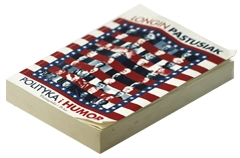
Używany - widoczne ślady użytkowania
zagięte rogi, przyniszczona okładka, książka posiada wszystkie strony.
Electoral Manipulation in Liberal Democracies
Masz tę lub inne książki?
Sprzedaj je u nas

Future generations may view the early 21st century as a pivotal era when the traditional effectiveness of elections as a democratic process began to wane. This shift is largely due to the enhancement of existing tools and the development of new methods for manipulating both election results and voter behavior. The rise of online communication, the use of big data, psychographics, and behavioral microtargeting have become powerful instruments in the hands of politicians. These tools are often employed without hesitation, undermining the essential democratic principles that ensure election integrity. Today's democracy struggles to provide a socially effective response to misinformation, alternative facts, and the biased influences of media. Citizens often become aware of these infringements only after a whistleblower steps forward, by which time it is frequently too late. As the political system increasingly fails to guarantee the integrity of electoral processes in an institutional manner, it is hardly surprising that concerns are growing about the objectification and instrumentalisation of voters within democracy.
Wybierz stan zużycia:
WIĘCEJ O SKALI
Future generations may view the early 21st century as a pivotal era when the traditional effectiveness of elections as a democratic process began to wane. This shift is largely due to the enhancement of existing tools and the development of new methods for manipulating both election results and voter behavior. The rise of online communication, the use of big data, psychographics, and behavioral microtargeting have become powerful instruments in the hands of politicians. These tools are often employed without hesitation, undermining the essential democratic principles that ensure election integrity. Today's democracy struggles to provide a socially effective response to misinformation, alternative facts, and the biased influences of media. Citizens often become aware of these infringements only after a whistleblower steps forward, by which time it is frequently too late. As the political system increasingly fails to guarantee the integrity of electoral processes in an institutional manner, it is hardly surprising that concerns are growing about the objectification and instrumentalisation of voters within democracy.
Szczegóły
Inne książki: Waldemar Wojtasik

Podobne produkty
Może Ci się spodobać
Inne książki z tej samej kategorii

Napisz opinię o książce i wygraj nagrodę!
W każdym miesiącu wybieramy najlepsze opinie i nagradzamy recenzentów.
Dowiedz się więcejWartość nagród w tym miesiącu
880 zł
Dodaj swoją opinię
Zaloguj się na swoje konto, aby mieć możliwość dodawania opinii.
Czy chcesz zostawić tylko ocenę?
Dodanie samej oceny o książce nie jest brane pod uwagę podczas losowania nagród. By mieć szansę na otrzymanie nagrody musisz napisać opinię o książce.
Już oceniłeś/zrecenzowałeś te książkę w przeszłości.
Możliwe jest dodanie tylko jednej recenzji do każdej z książek.
Sposoby dostawy
Płatne z góry

InPost Paczkomaty 24/7
13.99 zł
Darmowa od 190 zł

ORLEN Paczka
12.99 zł
Darmowa od 190 zł

Automaty DHL BOX 24/7 i punkty POP
12.99 zł
Darmowa od 190 zł

DPD Pickup Automaty i Punkty Odbioru
9.99 zł
Darmowa od 190 zł

Automaty Orlen Paczka, sklepy Żabka i inne
12.99 zł
Darmowa od 190 zł

GLS U Ciebie - Kurier
14.99 zł
Darmowa od 190 zł

Kurier DPD
14.99 zł
Darmowa od 190 zł

Kurier InPost
14.99 zł
Darmowa od 190 zł

Pocztex Kurier
13.99 zł
Darmowa od 190 zł

Kurier DHL
14.99 zł
Darmowa od 190 zł

Kurier GLS - kraje UE
69.00 zł

Punkt odbioru (Dębica)
2.99 zł
Darmowa od 190 zł
Płatne przy odbiorze

Kurier GLS pobranie
23.99 zł
Sposoby płatności
Płatność z góry
Przedpłata

Zwykły przelew
