Stan książek
Nasze książki są dokładnie sprawdzone i jasno określamy stan każdej z nich.

Nowa
Książka nowa.
Używany - jak nowa
Niezauważalne lub prawie niezauważalne ślady używania. Książkę ciężko odróżnić od nowej pozycji.
Używany - dobry
Normalne ślady używania wynikające z kartkowania podczas czytania, brak większych uszkodzeń lub zagięć.
Używany - widoczne ślady użytkowania
zagięte rogi, przyniszczona okładka, książka posiada wszystkie strony.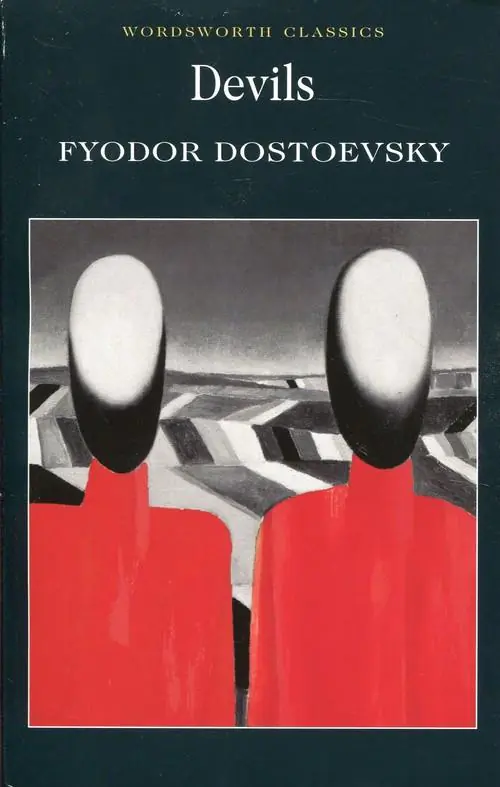
Devils
Masz tę lub inne książki?
Sprzedaj je u nas

In 1869, a young Russian lost his life in a brutal manner—strangled, shot in the head, and thrown into a pond. His offense was his attempt to break ties with a small group of violent revolutionaries, whose beliefs he no longer shared. Dostoevsky takes this chilling real incident as the basis for his novel "Devils." The title alludes not only to these youthful radicals but also to the materialistic ideologies that captivated Russian intellectuals at the time.Within the pages of the book, these revolutionaries are depicted satirically, emphasizing their naivety, obsessive focus, and readiness to embrace violence and turmoil. Although these portrayals may appear exaggerated, they resonate unsettlingly with the real-life figures who have followed in their footsteps throughout history. At the heart of the story is Nikolay Stavrogin, a character who extends beyond politics. He embodies unchecked rationalism and exercises a captivating power devoid of morality. His profound discontent becomes apparent when he confesses a vile sexual crime—a revelation stifled for years by censorship.Considered by some critics as Dostoevsky's crowning achievement, the novel offers a visionary examination of modern morals and political landscapes. With a diverse array of characters, remarkable events, and stimulating concepts, "Devils" remains a source of fascination and provocation for readers today.
Wybierz stan zużycia:
WIĘCEJ O SKALI
In 1869, a young Russian lost his life in a brutal manner—strangled, shot in the head, and thrown into a pond. His offense was his attempt to break ties with a small group of violent revolutionaries, whose beliefs he no longer shared. Dostoevsky takes this chilling real incident as the basis for his novel "Devils." The title alludes not only to these youthful radicals but also to the materialistic ideologies that captivated Russian intellectuals at the time.Within the pages of the book, these revolutionaries are depicted satirically, emphasizing their naivety, obsessive focus, and readiness to embrace violence and turmoil. Although these portrayals may appear exaggerated, they resonate unsettlingly with the real-life figures who have followed in their footsteps throughout history. At the heart of the story is Nikolay Stavrogin, a character who extends beyond politics. He embodies unchecked rationalism and exercises a captivating power devoid of morality. His profound discontent becomes apparent when he confesses a vile sexual crime—a revelation stifled for years by censorship.Considered by some critics as Dostoevsky's crowning achievement, the novel offers a visionary examination of modern morals and political landscapes. With a diverse array of characters, remarkable events, and stimulating concepts, "Devils" remains a source of fascination and provocation for readers today.
Szczegóły
Inne książki: Fiodor Dostojewski

Podobne produkty
Może Ci się spodobać
Inne książki z tej samej kategorii

Napisz opinię o książce i wygraj nagrodę!
W każdym miesiącu wybieramy najlepsze opinie i nagradzamy recenzentów.
Dowiedz się więcejWartość nagród w tym miesiącu
880 zł
Dodaj swoją opinię
Zaloguj się na swoje konto, aby mieć możliwość dodawania opinii.
Czy chcesz zostawić tylko ocenę?
Dodanie samej oceny o książce nie jest brane pod uwagę podczas losowania nagród. By mieć szansę na otrzymanie nagrody musisz napisać opinię o książce.
Już oceniłeś/zrecenzowałeś te książkę w przeszłości.
Możliwe jest dodanie tylko jednej recenzji do każdej z książek.
Sposoby dostawy
Odbiór w punkcie (6)
InPost Paczkomat 24/7

13,99 zł
ORLEN Paczka

12,99 zł




Dostawa na adres (7)
GLS U Ciebie - Kurier

14,99 zł
Kurier DPD

14,99 zł





Sposoby płatności
Płatność z góry
Przedpłata

Zwykły przelew
